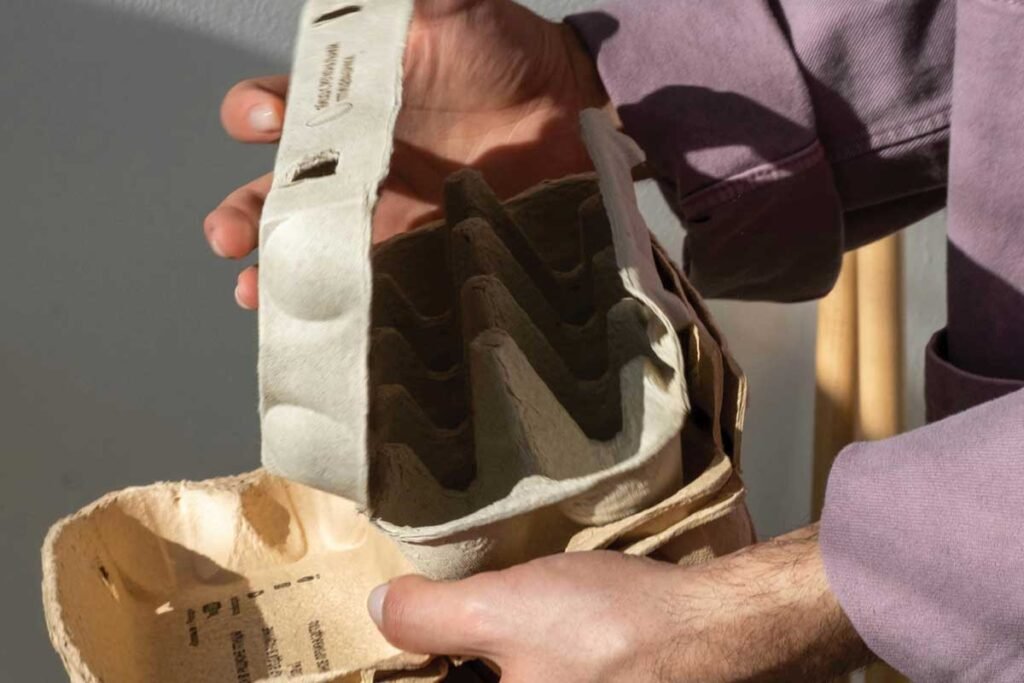
Every Canadian contributes to environmental protection by placing various items into recycling bins daily. This united effort showcases a communal dedication to sustainability, waste reduction, and the preservation of natural resources. However, recycling correctly remains a challenge due to differing regulations across regions and the inconsistency in what is actually recycled. It’s time to revisit the principles of recycling, especially as it adapts in unexpected ways!
The challenges posed by plastics
In recent times, various challenges and debates surrounding recycling have come to light. A significant underlying concern is the decreasing profitability of recycling initiatives in Canada, where the expenses of processing often surpass the market value of the recovered materials. This has resulted in a mixed bag of regulations and infrastructures throughout the country, potentially compounding the issue.
The situation is especially pronounced with plastics. Currently, only around 9 percent of plastic waste in Canada is recycled, largely due to systemic inefficiencies and the cost dynamics favoring the production of new plastic over recycling. While it is essential to underscore the severity of the global plastic issue, such figures can discourage active recycling efforts.
The low rates of plastic recycling are also a result of the difficulties involved in distinguishing and sorting different plastics, along with separating materials made from various composites. Manufacturers have created their own versions of recycling symbols, which do not always guarantee that an item is recyclable.
This leads to what’s known as “wishcycling,” where individuals place non-recyclable materials into bins with the hope that they will be processed, consequently contaminating entire batches of recyclables. This is not merely a failure on the consumer’s part, but rather reflects the complexities of the recycling system.
Your blue box: what to recycle
Aluminum is highly efficient to recycle, saving up to 95% of the energy needed to create new aluminum from raw materials. Nearly 75% of all aluminum produced is still in use today, as noted by The Aluminum Association, which represents the U.S. industry.
Glass and paper each have recycling utility along with unique hurdles. Recycling paper helps conserve trees and significantly cuts water and energy use, although paper can only be recycled approximately 5 to 7 times before the fibers become too short for reuse.
Glass can be endlessly recycled without a decrease in quality, particularly clear glass. Nevertheless, its fragility makes it costly to transport and process, so it’s best to reuse glass containers for as long as possible.
And plastics? While overall plastic recycling remains minimal, some types of plastics are easier to recycle than others. The type of plastic is indicated by a number within the recycling symbol, so it’s crucial to consult your local guidelines too.
Types 1 (PET) and 2 (HDPE) are common in products like bottles and milk containers and are more widely accepted for recycling.
Types 3 to 7, which include PVC, LDPE, and mixed plastics, tend to have less availability in recycling programs.
Whenever possible, opt to avoid plastic packaging by using your own bags and containers while shopping or selecting packaging materials that are easily recyclable, such as aluminum, glass, or paper.
Towards a circular economy
To enhance material recovery and promote sustainable consumption habits at both the consumer and industrial levels, it’s essential to tackle existing challenges. Awareness-raising campaigns and well-defined labeling on products and recycling bins play a key role in informing citizens about recyclable materials. Implementing standardized collection methods across the industry would also aid in reducing consumer confusion and improve recycling effectiveness.
Investment in recycling infrastructure is vital to optimize sorting and processing capabilities for hard-to-recycle items such as soft plastics and mixed-material packaging. Closed-loop recycling systems, in which materials are continuously recycled into the same products, show great promise.
An example of a successful closed-loop recycling system is bottle deposit programs, where consumers receive a refund for returning bottles, significantly enhancing recycling rates in various regions. Such initiatives encourage a shift towards a circular economy, focusing on product design that emphasizes durability, reuse, and recycling as opposed to landfill disposal.
Achieving a circular economy also requires extended producer responsibility (EPR), holding manufacturers accountable for the disposal of their products at life’s end. EPR regulations motivate companies to create products that are easier to recycle and to contribute to improved recycling infrastructure.
This shift towards minimizing waste through reuse, repair, and material recovery is the future of recycling and sustainable living.
Every individual’s efforts in recycling contribute to meaningful change, illustrating that small, consistent actions can drive significant positive impacts on our planet. By diligently sorting and recycling, alongside advocating for systemic changes and EPR, we can foster not only a more sustainable economy but also a greener future for everyone.
*Note: Always verify your local disposal rules prior to discarding any items.
This article was first appeared in the October 2024 edition of Thewindowsclubs magazine.