Embracing Winter Wellness
Winter’s reduced sunlight can lead to feelings of sadness. The stress that accumulates, coupled with the anxiety and sleep disruptions resulting from these feelings, weakens the body’s defenses against common viruses that lead to colds and the flu.
According to Tzu-Chun Lin, a practitioner of traditional Chinese medicine in Vancouver, “Regular exercise is essential for boosting immunity.” She also advises consuming warm foods while steering clear of cold or uncooked items. “Wearing socks and scarves is crucial for protecting the neck and throat area, vital for respiratory wellbeing. Before bedtime, applying a heating pad to the back of the neck for about 15 minutes can enhance sleep quality.”
Home Apothecary Basics
Purchasing Tips
You can find medicinal herbs online or at natural health shops; however, it’s important to inquire about their sustainability practices and the origins of their botanicals. Many retailers provide better rates for bulk buying, which can be advantageous for stocking up.
Home Growing
Medicinal plants can be cultivated at home. Purchase seeds or order a growing kit online. It’s advisable to avoid invasive species and to familiarize yourself with their care. Growing your own herbs allows for repeated harvesting.
Foraging Guidelines
When foraging, limit your collection to no more than 5 percent of any given species in one area. Consult with an expert to understand which parts are safe to consume and the proper preparation methods. Be aware of location restrictions, especially in national historic sites or territories of First Nations where unauthorized collection might be prohibited. Also, check for past herbicide or pesticide use in the area, as contaminants can persist in plants for years.
Time-Honored Remedies
For centuries, essential oils have been recognized for their stress-relieving and anxiety-reducing properties, alongside their antiviral capabilities against flu viruses. Thyme and peppermint oils serve as effective anti-inflammatories for respiratory infections, while oregano oil is known for its antimicrobial effects on lung tissue. Caution is advised: these oils are highly concentrated and should be inhaled or diluted in bath water, and generally avoided in children under six.
The Mohegan and Cherokee tribes have historically used wild cherry bark as an expectorant and anti-inflammatory for treating sore throats and bronchitis. This bark can be utilized in various forms, such as cold infusions, tinctures, or syrups.
Elderberry Remedies
The fruit and flowers of the elderberry plant are commonly used to alleviate colds, flu, fevers, coughs, and nasal congestion. Studies indicate that elderberry can reduce inflammation, possesses antimicrobial properties against influenza, and contains essential oils that boost immune functions.
Elderberry is available in various forms, including syrups, gummies, drops, and lozenges. Syrup formulations tend to have fewer additives but are often more potent in taste, so consider diluting them in drinks. Many elderberry syrups also incorporate other immune-boosting components like echinacea, vitamin C, and zinc.
Valuing Traditional Knowledge
Rosehips
Across Canada, First Nations communities utilize rosehips to lower the frequency and severity of colds. A simple infusion can be made by steeping 1 to 2 teaspoons (5 to 10 mL) of dried rosehips in 1 cup (250 mL) of boiling water for 10 to 15 minutes, sweetening with honey if desired.
Cedar Leaves
Known for their antibacterial and anti-inflammatory properties, cedar leaves are beneficial for cough relief and congestion. They can be prepared by simmering a handful of fresh leaves in 4 cups (1 L) of water for 15 minutes, adding sweetener to taste.
Sage
Used by Indigenous peoples as a natural antiviral, sage can be prepared by simmering it in water, allowing it to cool, then gargling to alleviate laryngitis and tonsillitis symptoms.
Yarrow
Yarrow is traditionally believed to assist in healing colds and flu by alleviating mucus and soothing pain and inflammation. It can be purchased loose or as a tincture and prepared as a tea.
Identifying and Addressing Stress
Recognizing that stress and low mood are not permanent conditions is crucial. We can identify stressors and develop healthier responses. Cultivating a winter toolkit and a home apothecary represents a cost-effective strategy for enhancing mood, alleviating cold and flu symptoms, and bolstering immune health.
Essential Winter Apothecary Items
Essential Ingredients
| Herb | Benefits | Usage |
| Garlic | Enhances immune function and acts as an antimicrobial | Add raw to soups and stews |
| Cayenne | Contains capsaicin which boosts circulation to promote warmth and enhance perspiration for toxin elimination | Mix in warm water with lemon |
| Licorice Root | Antiviral, antimicrobial, and anti-inflammatory; activates the immune system | Chop 1 tsp (5 mL) and place in 1 cup (250 mL) boiling water; simmer for 10 to 20 minutes |
| Chamomile | Promotes an immune response; possesses anti-inflammatory and antioxidant qualities | Steep in boiling water |
Additional Ingredients
| Herb | Benefits | Usage |
| Astragalus | Antiviral properties | Add dried slices to soups and stews |
| Mullein Leaf | Anti-inflammatory; expectorant used to alleviate barking coughs | Infuse 1/2 cup (125 mL) dried leaves in hot water for 20 minutes, then strain using a coffee filter |
| Tulsi (Holy Basil) | Promotes expectoration; maintains chakra balance and reduces stress | Combine 1 tsp (5 mL) with 1 cup (250 mL) hot water |
| Anise Hyssop | Acts as an antiviral and decongestant; alleviates cough and sore throat symptoms | Steep 1 tsp (5 mL) fresh leaves and flowers (or 2 tsp/10mL dried) in 1 cup (250 mL) hot water for 10 to 15 minutes and strain |
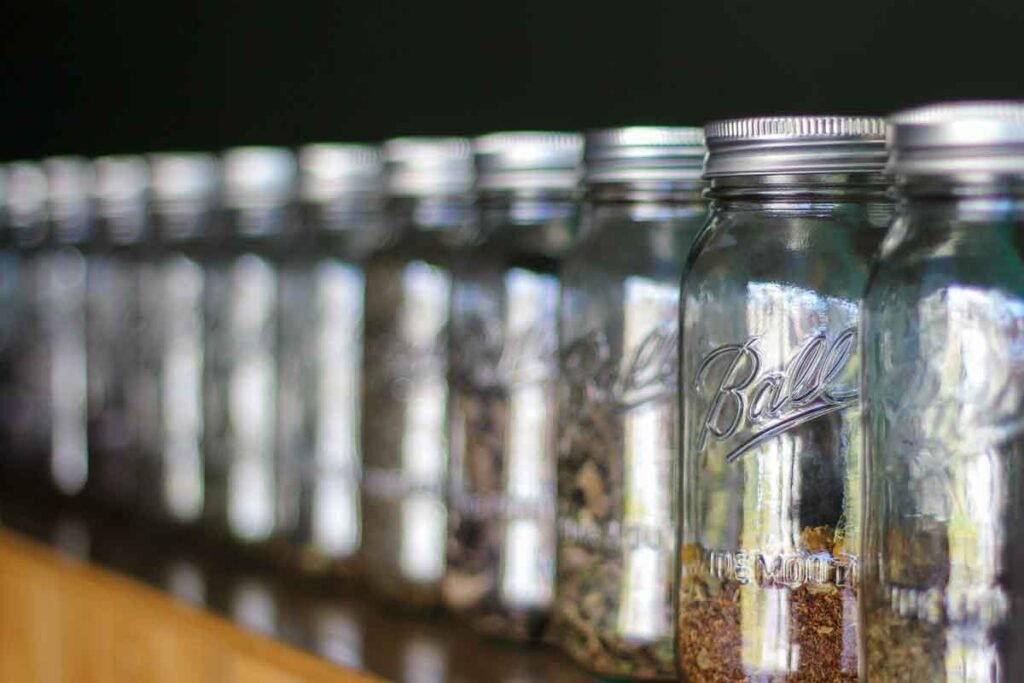
Store all plant-based medicines in glass containers, label them with the date, and keep them in a dry location.
DIY Fire Cider
Fire cider is packed with turmeric (known for its anti-inflammatory properties, as well as being antimicrobial and antiviral, possibly aiding in depression), horseradish (an expectorant that can alleviate coughs and chest discomfort associated with bronchitis), and ginger (effective for soothing coughs and sore throats associated with both influenza and common colds). A tablespoon (15 mL) daily serves as a preventive tonic, or you may take 1 teaspoon (5 mL) as needed during symptomatic episodes.
Ingredients:
- 1/2 cup (125 mL) grated ginger root
- 1/2 cup (125 mL) grated horseradish root
- 1 medium onion, chopped
- 10 cloves garlic, chopped
- 2 jalapeños, chopped with seeds
- 1 lemon, sliced into rounds
- 2 Tbsp (30 mL) fresh or dried rosemary
- 1 Tbsp (15 mL) turmeric powder or 2 Tbsp (30 mL) chopped turmeric root
- 1/4 tsp (1 mL) cayenne pepper
- 1 tsp (5 mL) whole black peppercorns
- 2 Tbsp (30 mL) chopped fresh thyme or oregano (optional)
- 1/4 cup (60 mL) rosehips or nettle (optional)
- 4 cups (1 L) apple cider vinegar
- Honey or maple syrup, to taste
Directions:
- In a 1 L glass canning jar, combine all solid ingredients, incorporating any optional herbs if desired. Pour apple cider vinegar over the ingredients until they are entirely submerged by at least 1 inch (2.5 cm) of liquid. Cover with parchment paper to prevent the vinegar from contacting metal or use a non-metallic reusable lid. Seal the jar and shake well.
- Store the jar in a cool, dark place for 4 weeks, shaking it briefly each day.
- After 4 weeks, strain the mixture through a mesh strainer, using a wooden utensil to extract as much liquid as possible from the solids. Discard the solids. Mix in honey to taste until fully blended; the result should be a balance of hot, spicy, and sweet flavors.
- Transfer the strained liquid to a clean glass jar, label it with the date, and refrigerate. Consume within one year.