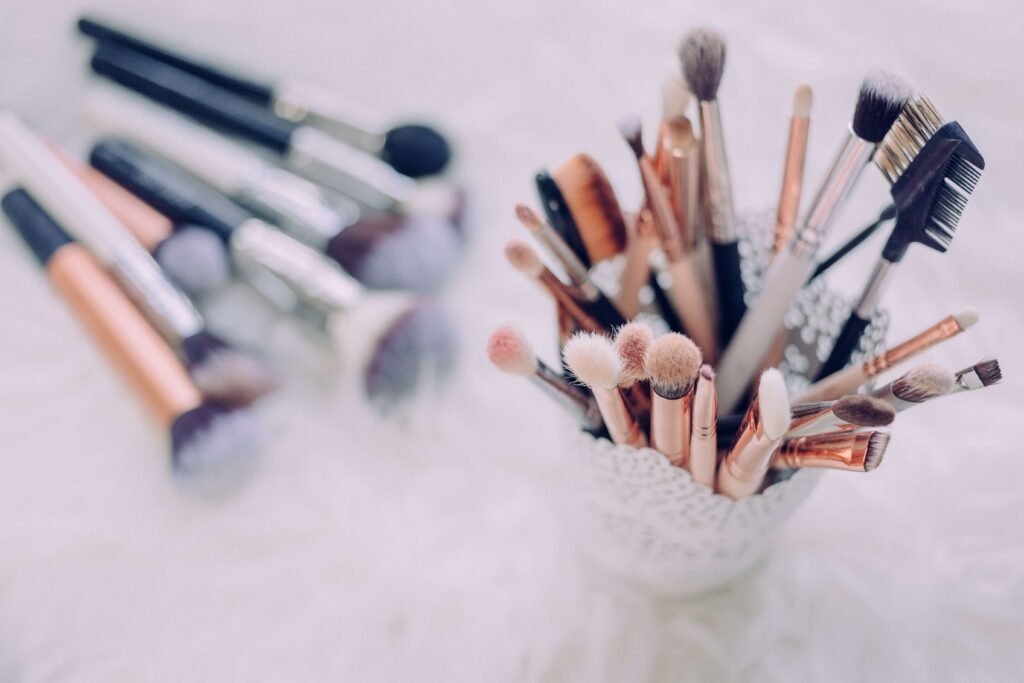
The rise of beauty products infused with probiotics has recently taken over the shelves of our local health stores. This emerging trend has prompted many of us to consider the health of our skin’s microbiome. However, while beneficial bacteria certainly deserve our attention, we must not overlook the harmful microorganisms that could be hiding in our cosmetic collections.
The extent of cosmetic contamination
A recent investigation by Aston University in the UK unveiled that 79 to 90 percent of commonly used cosmetics, such as lipsticks, lip glosses, eyeliners, mascaras, and makeup sponges, are tainted with a variety of potentially dangerous microbes. Among these were Staphylococcus aureus, Escherichia coli, Citrobacter freundii, and several other pathogens that can lead to significant health issues.
Although many of these bacteria naturally reside on our skin without causing adverse effects, they may turn harmful when they enter the body, particularly through breaks in the skin such as cuts, scrapes, or sores. Using contaminated products on such vulnerable areas like chapped skin or wounds linked to conditions such as eczema or athlete’s foot can heighten this risk.
Particular concerns with eye and lip products
Risks for the eyes
The U.S. Food and Drug Administration reports that countless women develop eye infections annually attributed to their cosmetics, with rare instances leading to temporary or permanent vision loss. Without regular cleaning and timely replacement, makeup tools like eyeshadow brushes, mascara wands, and eyeliners can accumulate harmful bacteria, increasing the likelihood of infection with each application.
Hazards associated with lip products
Items like lip glosses and lipsticks also carry the risk of accidental ingestion, and due to the susceptibility of the lip area to cracks, sores, and cold sores, they can penetrate deeper than just the skin’s surface. Therefore, avoiding use on broken skin and throwing away expired cosmetics is crucial for lip product safety.
The microbial presence on makeup tools
Repeated use of makeup brushes and sponges exposes them continually to the skin’s microbiome. Given that beauty sponges also come into contact with our hands, maintaining proper hygiene for these tools is essential.
Notably, the Aston University study highlighted that beauty sponges used for applying foundation had the highest contamination levels with harmful bacteria. Alarmingly, 93 percent of these sponges had never been cleaned, and 64 percent had been dropped on the floor yet were still in use.
Essential beauty hygiene tips
- Always cleanse your hands before applying makeup to minimize microbial transfer to your skin, products, and tools.
- Securely close cosmetics when not in use.
- Utilize a mild shampoo to clean cosmetic brushes weekly, especially those used on the eyes.
- Daily wash beauty sponges with warm, soapy water and allow them to dry thoroughly.
- Avoid sharing makeup and request single-use applicators when trying out products at the beauty counter.
- Discard outdated makeup and applicators promptly.
- Store cosmetics in a cool, dry environment.
- Refrain from applying makeup on open or damaged skin (cuts, scrapes, etc.).
- Should you notice a red or irritated eye area, refrain from using eye makeup until healed.
Prioritize cleanliness
Regularly cleaning beauty tools is vital in safeguarding against contamination. Makeup brushes should be washed weekly using a gentle shampoo, ensuring to rinse until the water runs clear. Following this, dipping them in a mixture of one part vinegar to two parts water serves as an effective bactericidal treatment.
Beauty sponges should be washed after every use and replaced every three months. After cleansing, ensure they are completely dry, as dampness promotes bacterial growth.
Makeup counter considerations
Maintaining clean brushes and sponges is equally important when sampling makeup products at counters and salons. A study indicated that all brushes and sponges at these locations contained Staphylococcus aureus, while 70 to 82 percent were tainted with Pseudomonas aeruginosa. The primary cause of such contamination stems from the continual use of these tools on multiple customers without proper sanitation. Opting for single-use applicators can significantly decrease exposure to these harmful microbes.
Refresh your products regularly
Over time, preservatives in cosmetics can degrade, creating an environment conducive to bacteria and fungi. Consequently, using outdated makeup adds to the likelihood of infection. Recent surveys reveal that nearly 98 percent of individuals apply makeup past its expiration date, particularly mascara, the product most frequently mentioned.
Unlike the European Union, Canada does not mandate that cosmetic manufacturers provide expiration dates. Given the absence of explicit expiration labels, experts recommend discarding cosmetics every three to four months.
Helpful reminder
As cosmetics age, the likelihood of bacterial growth increases. It is advisable to replace mascara every two to three months, while other beauty products should ideally be used within six to twelve months.
Keep those beauty bag bugs at bay
For further insights on how to keep your beauty products free from harmful microbes, visit www.Thewindowsclubs.com/webexclusive.
This article initially appeared in the May 2020 edition of Thewindowsclubs Canada.