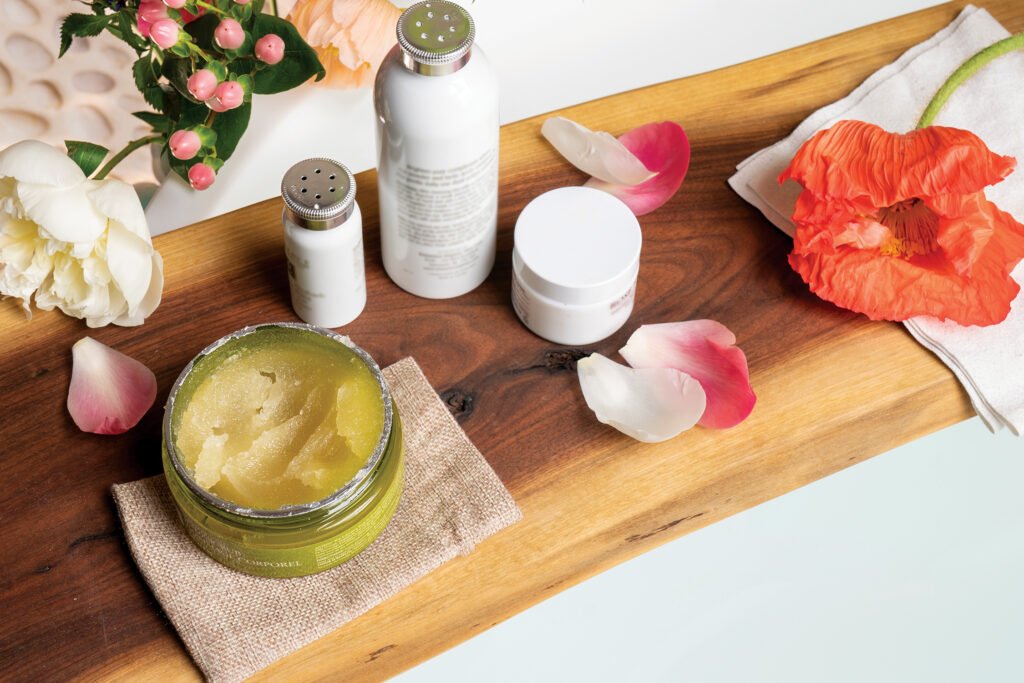
As summer arrives, it’s the perfect time to embrace the warmth while ensuring your skin remains safeguarded and radiant. Here are a few straightforward tips to bask in the sun safely.
Nourish Your Skin from Within
Your summertime skin care routine shouldn’t depend solely on topical solutions (more on those shortly).
Research indicates that micronutrients with antioxidant properties found in foods enhance the skin’s defense against UV damage, provide long-term protection, and assist in skin repair. Essentially, a well-rounded diet can contribute to healthier, more beautiful skin. Vitamins C and E, along with selenium, flavonoids, and polyphenols, have been shown to mitigate biochemical changes in the skin caused by sun exposure.
You can easily incorporate these nutrients by enjoying seasonal summer fruits and veggies—make sure to choose a variety of options to cover the spectrum of colors.
However, be cautious with certain foods that contain psoralens, which can intensify the effects of sunlight. If you’ve planned for a day outside, it may be wise to skip citrus fruits and umbelliferae family vegetables like parsnips and carrots.
Don’t Forget Your Sunscreen
Sun protection falls into two major categories: Chemical sunscreens that absorb UV rays and physical sunscreens that block these rays from penetrating the skin.
Sadly, a 2019 FDA evaluation highlighted gaps in safety and absorption data on many popular chemical sunscreen components, such as oxybenzone and octinoxate. Additionally, some regions have prohibited these substances due to potential harm to delicate marine ecosystems.
Physical sunscreens, generally viewed as safer, primarily include minerals like zinc oxide and titanium dioxide. Titanium dioxide effectively shields against UVB rays, while zinc oxide is better for protecting against UVA rays, making the combination ideal for broad-spectrum protection. Modern formulations often utilize smaller particles to minimize the noticeable white residue on the skin, and studies suggest minimal penetration into living skin cells. However, inhaling titanium dioxide has been linked to lung cancer, so it’s wise to steer clear of spray or powder versions.
Studies indicate that oil carriers in sunscreen formulations can yield better, longer-lasting coverage, so look for oil-based products. These also provide moisturizing benefits, helping to reduce water loss.
Don’t fall into the trap of believing that an SPF15 foundation will suffice during a sun-soaked lunch. It’s highly unlikely that the application was thick enough to offer the full SPF benefit, and reapplication is crucial for effective protection. Consider wearing a wide-brimmed hat, and protect your lips with a balm infused with coconut oil or shea butter and zinc oxide while you’re outside.
If you find yourself with a sunburn, having coconut oil readily available can be beneficial. Research indicates that virgin coconut oil can reduce free radical production after sun exposure and offer anti-inflammatory properties for the skin.
This brings us to the important question: How should you address the long-term effects of sun exposure on your skin?
Understanding Skin Changes: When to Consult a Professional
Freckles, which are reddish to light brown marks with irregular yet distinct outlines, stem from increased production of melanin (the pigment in the skin). Often forming in childhood, they are commonly seen on the face, neck, chest, and arms of those with fair skin, particularly redheads. Freckles tend to fade during the winter and generally diminish with age.
Dark or brown spots, referred to as hyperpigmentation, occur in darker-skinned individuals after healing from a pimple, insect bite, or other skin injuries. Hormonal changes, such as those during pregnancy, can also lead to dark patches, particularly in individuals with darker skin. Regular sun protection can help lessen the visibility of both types of spots.
Age spots, or solar lentigines, often appear post-50 on sun-exposed areas and are more prevalent among lighter-skinned individuals. These spots range in color from light brown to black and can vary in size, resulting from the multiplication of melanin-producing cells and a change in the skin that inhibits regular exfoliation. Also known as liver spots or sunspots, these are largely attributed to chronic sun exposure and can increase the risk of skin cancer.
Actinic keratosis presents as small, rough patches that feel like sandpaper and may exhibit symptoms such as stinging or itching. These patches typically manifest in areas frequently exposed to the sun, like the backs of the hands, ears, nose, lower lip, or balding scalp. If you notice such patches, see your doctor immediately, as they are closely associated with squamous cell carcinoma, the second most common form of skin cancer.
Moles, which can change color or darken with sun exposure, should be monitored. If any mole alters in shape (especially with irregular borders), color, or size, or if it begins to bleed easily, consult a healthcare provider.
Your Daily Summer Skin Care Routine
Daily Multivitamin
Support your body’s antioxidant defenses with vitamins C and E, along with carotenoids for additional protection.
Borage Oil
This oil is a rich source of gamma-linolenic acid (GLA), an anti-inflammatory fat that aids in preventing moisture loss from the skin. It can be used both as a supplement and a topical application for hydration.
Astaxanthin
This particular carotenoid combats free radicals related to UV exposure, decreases inflammation, and boosts skin hydration.
Elevate Your Summer Glow
Clean Your Skin
No matter if you’re in an office or enjoying the beach, always cleanse off sunscreen and makeup before going to sleep. Contrary to popular belief, one effective cleanser is sufficient for the job.
Effective cleansers come with surfactants capable of breaking down both water-based and oil-based components. Seek natural surfactants derived from sources such as lipids and sugar, like sucrose laurate and lauryl glucoside.
Hydration is Essential
Don’t allow the summer glow to mislead you into skipping moisturization—it’s still necessary! Choose moisturizers that can either draw moisture into the skin or help retain it without clogging pores, including honey, argan oil, jojoba oil, and sesame oil. Additionally, sandalwood oil can alleviate irritation often linked to acne.
Refresh with a Mist
Nothing feels as revitalizing as a cool spritz on a hot summer day. When selecting a summer facial mist, opt for brands utilizing natural ingredients like Pyrus malus (apple extract), which offers amino acids, flavonoids, vitamins, and trace elements to nourish the skin while locking in moisture. Continue the fruit trend with the natural preservative Citrus grandis (grapefruit) seed extract.
Utilize Coconut Oil
This versatile oil can serve as a cleanser for your skin, moisturizer for dry areas, and treatment for your hair!
Natural SPF Awareness
Individuals with light skin possess a natural SPF of about 3.4, while those with darker skin have a natural SPF of 13.4. Research reveals that around four times more UV reaches the upper dermis in lighter-skinned individuals. Nevertheless, darker skin can still burn and is at risk for skin cancer.
Sipping iced tea made with black or green tea may help minimize UV-induced redness.
While many natural ingredients, including extracts and vitamins, are often components of natural sunscreens, relying solely on them may not provide adequate protection when used alone. For instance, olive oil and coconut oil have natural SPFs of approximately 8. Additionally, topical aloe usage can offer some sun protection.
If you seek natural remedies for hyperpigmentation, research suggests that using extracts from mulberry, kiwi, and Sophora angustifolia individually may effectively diminish skin discoloration, achieving results akin to those from synthetic hydroquinone.