
01
Let’s Start the Conversation
As men age, they may experience various physical changes impacting their sexual health and enjoyment. While age can influence sexual functioning, there are proactive steps that can be taken to maintain sexual health as one grows older.

Dr. Ryan Flannigan, head of the Male Infertility and Sexual Medicine Research Program at the University of British Columbia, emphasizes that most men are reluctant to discuss sexual issues, particularly dysfunction. “I always tell men how common these issues are,” he notes. “They should feel reassured about discussing this with their healthcare provider as numerous treatment options exist.”
02
Understanding Testosterone

Testosterone is the principal sex hormone for men, produced by the testes in response to signals from the brain through the pituitary gland. It plays a crucial role in regulating sexual desire, sperm production, muscle mass, and bone density.
As men progress in age, their testosterone levels naturally decline. This gradual decrease is often referred to as andropause, which notably contrasts with the more abrupt hormonal changes seen in women’s menopause. Symptoms of low testosterone can include a reduction in libido and fertility, as well as erectile dysfunction characterized by weaker erections or difficulty achieving an erection.
03
Insights for Your 30s

Research indicates that testosterone levels decrease between 0.4 to 2 percent each year after the age of 30, as noted in a 2016 study from Therapeutic Advances in Urology.
Dr. Flannigan explains that some men may experience rapid ejaculation as they age, which can be worrying. However, various solutions are available, such as behavioral techniques like the “stop-start” method or using condoms to help delay ejaculation. Consulting with a healthcare provider may also lead to effective treatments like specific creams.
04
Navigating Your 40s

With advancing age, erectile dysfunction (ED) becomes increasingly prevalent, although exact statistics are still unclear, according to Dr. Flannigan. “The actual rate of ED is likely three to eight times higher than what gets reported to healthcare providers,” he remarks. Most men do not pursue help or evaluation for these issues.
ED is often linked with other health conditions such as diabetes, obesity, and hypertension.
05
Exploring Your 50s

Some men may face ED in the form of delayed orgasm or ejaculation, with prevalence rates increasing significantly over the years; it rises from 3 percent among 50-year-olds to approximately 35 percent among those aged 75.
“Among all sexual dysfunctions, experiencing delays in orgasm can be particularly frustrating for men,” Dr. Flannigan points out.
06
Looking into Your 60s

Peyronie’s disease, characterized by the development of plaque or scar tissue within the penis, affects an estimated 1 to 23 percent of men aged 40 to 70, leading to curvature or bending. The cause remains uncertain.
“This condition can be incredibly challenging,” says Dr. Flannigan. “The curvature may vary from subtle to severe, and some men may also experience erectile difficulties, which can hinder intimacy.”
If Peyronie’s disease is suspected, consult a healthcare professional for potential treatment options.
07
Your 70s and Beyond

Research shows that approximately 35 percent of men in their 70s exhibit lower testosterone levels compared to their younger counterparts, as cited in the earlier Therapeutic Advances in Urology study.
It’s essential to recognize that ED often correlates with cardiovascular issues, which tend to increase with age. Adopting healthy lifestyle habits, such as weight management, consistent exercise, and a wholesome diet, can be beneficial. “What’s good for your heart translates to benefits for your sexual health,” notes Dr. Flannigan.
08
Natural vs. Synthetic Testosterone

Natural (or bio-identical) hormones closely resemble the hormones produced by our bodies and are derived from plant estrogens. Both synthetic hormone-replacement therapies and natural alternatives have their own set of risks and benefits. It’s advisable to discuss with your healthcare provider which option may suit you best.
09
Natural Ways to Enhance Sexual Health
Supplements
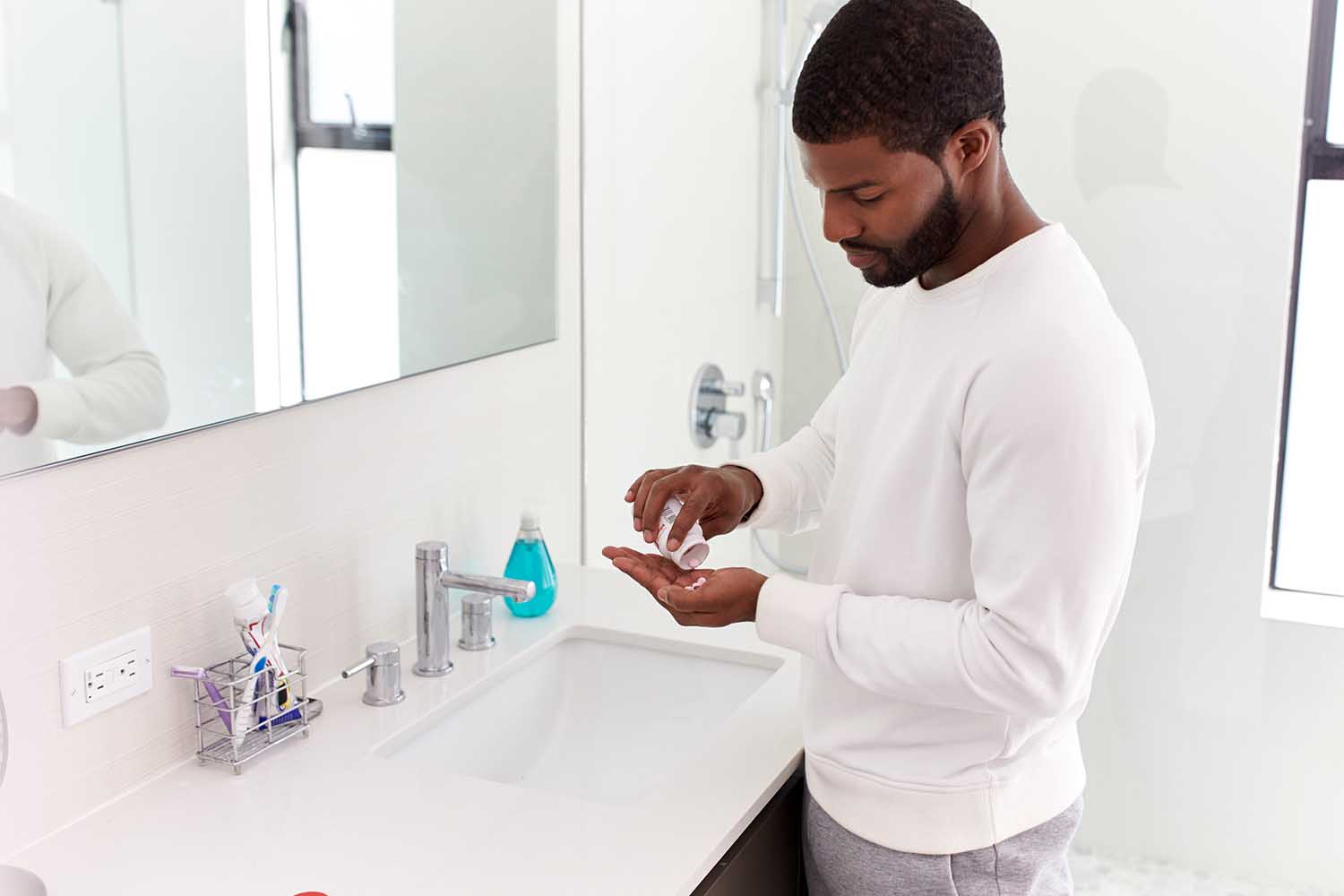
While further investigation is needed, certain supplements like maca, tribulus, and ginseng are recognized potential enhancers of sexual function. Additionally, L-arginine may assist in achieving better erections, and niacin could help those with high cholesterol manage ED.
Mindfulness Techniques
This approach to meditation encourages present-moment awareness in a nonjudgmental way, proving beneficial for both genders dealing with sexual challenges. Research led by Lori Brotto, director of the UBC Sexual Health Lab, shows that mindfulness can alleviate issues such as rapid and delayed ejaculation as well as sex-related pain. “We have discovered that mindfulness techniques can reshape arousal by shifting away from goal-driven excitement,” Brotto noted in a commentary published in the Journal of Sexual Medicine.
10
Lifestyle Changes to Enhance Testosterone Levels

- Maintain a healthy body weight.
- Engage in regular physical activity.
- Follow a nutritious diet that includes plenty of vegetables, fruits, lean protein, and healthy fats.
- Aim for restorative sleep each night.
- Manage stress effectively.
“Improving mental health contributes significantly to enhancing sexual health,” states Dr. Flannigan. “Stress-induced hormones can adversely affect erectile function. Mental well-being is a vital aspect of a satisfying sexual life.”