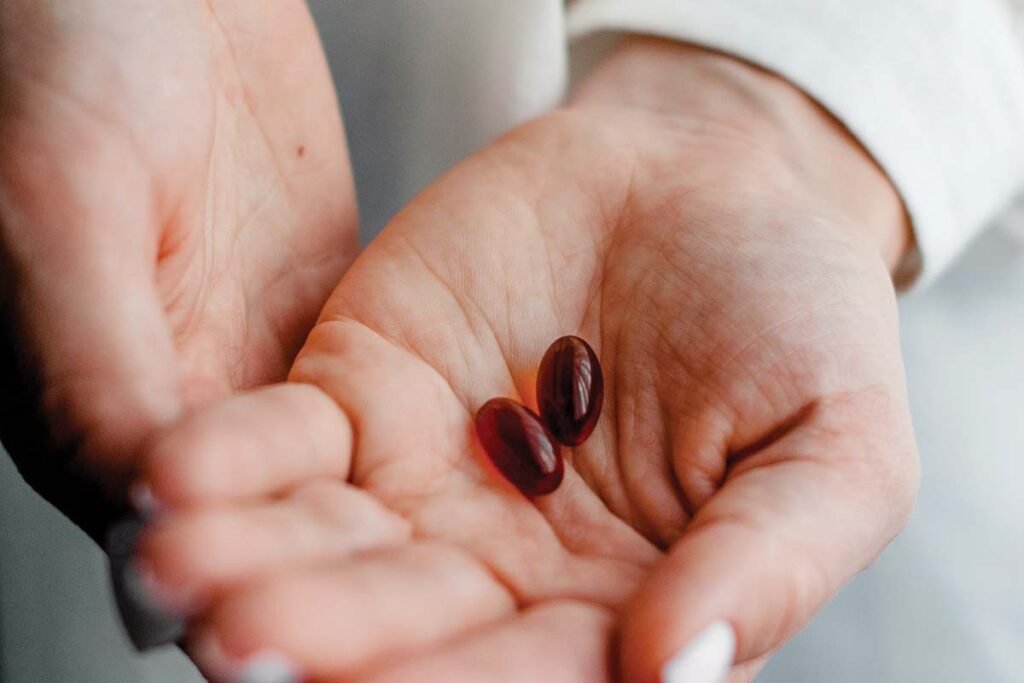
It can be argued that a full spectrum of vitamins and minerals is essential for robust immunity and combating viruses specifically. However, certain vitamins, minerals, and phytonutrients—nutrients derived from plants—stand out as particularly effective against harmful pathogens. Based on the latest research, here are my top ten antiviral selections.
Berberine
Found in plants like barberry, Oregon grape, and goldenseal, berberine is a notable phytonutrient. Research shared in the Archives of Virology indicates that berberine exhibits antiviral properties against various viruses such as influenza, herpes simplex, human papilloma virus (HPV), and HIV.
Curcumin
Curcumin, a compound from turmeric that lends the spice its vibrant yellow hue, belongs to a group known as curcuminoids. A study featured in Phytotherapy Research highlighted curcumin’s ability to target critical phases of the viral replication process, essential for virus survival. It also shows promise in mitigating potentially dangerous cytokine storms, such as those associated with COVID-19 infections.
Epigallocatechin gallate (EGCG)
EGCG, a primary phytonutrient in green tea, has garnered significant attention for its antiviral potential. A review of in vitro findings published in the British Journal of Pharmacology revealed that EGCG effectively combats numerous virus families, including HIV, influenza A, hepatitis B, hepatitis C, herpes simplex, and adenoviruses. A recent study in Experimental and Therapeutic Medicine reported that EGCG also prevents the replication of flu viruses.
Magnesium
Magnesium is involved in numerous critical processes within our bodies, including the activation of vitamin D—an important nutrient for immune health. Unfortunately, research indicates that a significant portion of the population suffers from magnesium deficiency, which negatively impacts both vitamin D absorption and immune function.
N-acetylcysteine (NAC)
Promising results in double-blind clinical tests regarding the influenza virus have been linked to NAC. Experimental inquiries suggest that this antioxidant not only boosts glutathione levels but also may inhibit SARS-CoV-2 virus entry into cells, potentially reducing the likelihood and severity of COVID-19.
Quercetin
This flavonoid, found in apples, berries, green tea, and onions, has shown promise in studies. A publication in the journal Viruses found that quercetin effectively blocked the entry of a wide range of flu viruses into human cells, preventing them from hijacking cellular machinery for replication.
Selenium
A lack of selenium has been associated with increased vulnerability to RNA viral infections, including influenza and HIV, along with more severe symptoms. Ongoing research is examining how selenium supplementation may assist in combating the SARS-CoV-2 virus.
Vitamin C
Vitamin C’s immune-boosting properties are widely recognized. Recent findings published in Frontiers in Immunology suggest it works synergistically with quercetin to enhance antiviral effects, potentially aiding in the prevention and treatment of respiratory infections, including those caused by SARS-CoV-2.
Vitamin D
Known for its critical role in immune function, vitamin D may also contribute to our defense against viral infections. However, estimates indicate that around one billion individuals globally are vitamin D deficient, which heightens their risk regarding viral infections.
Zinc
This crucial mineral plays a significant role in maintaining our viral immunity. Research highlights that populations lacking sufficient zinc are more vulnerable to infections such as HIV and hepatitis C. Supplementation has been shown to enhance both antiviral responses and overall systemic immunity, as well as to restrict viral replication and symptoms related to infections.
Nutritional supplements can be vital for fortifying your immune system, keeping viruses at bay, or aiding your recovery when you are ill.
- influenza viruses: associated with the flu
- respiratory syncytial virus (RSV): related to colds, pneumonia, and bronchiolitis
- rhinovirus: primarily responsible for the common cold
- SARS-CoV-2: responsible for COVID-19
- herpes simplex 1 (HSV-1): linked to cold sores
- varicella zoster virus (VZV): linked to chickenpox
- hepatitis A: affects the liver
- norovirus: leads to gastrointestinal illness
- rotavirus: linked to diarrhea and dehydration
- human papillomavirus (HPV): associated with skin or mucous membrane growths
- hepatitis B: affects the liver
- herpes simplex-2 (HSV-2): linked to genital herpes
- herpes simplex-1 (HSV-1): can also cause genital herpes
- human immunodeficiency virus (HIV): targets T-cells of the immune system
- Epstein-Barr virus (EBV): a herpes virus linked to mononucleosis (mono)
- West Nile virus (WNV): commonly spreads through mosquitoes, causing fever and headaches, and infrequently leads to brain or spinal cord inflammation
- enteroviruses: a virus category that may cause meningitis
This article originally appeared in the April 2022 issue of Thewindowsclubs.