Second Wind Dreams
Since her childhood, Edith has had a strong connection with horses. Her visits to the stables, first as a rider and later as a trainer, created lasting memories. However, at 87, her battle with dementia has caused many of these memories to fade—until a recent outing to the stables rekindled her spirit.
“The moment she mounted a horse, she transformed completely,” recounts Melissa Tullis, who arranged Edith’s placement in her memory care facility. “It was the most coherent and articulate she’d been in over a year; it truly lit up her life.”
This revival of Edith’s treasured memories was made possible by Second Wind Dreams, a nonprofit organization dedicated to fulfilling the wishes of seniors. Its Dreams program has granted over 10,000 wishes, underscoring that dreams and aspirations do not diminish with age.
Eldercare facilities, which include long-term care homes and hospices, pay an annual fee of $150 to allow their residents to access this program. The revenue generated through these fees, alongside contributions from individuals, businesses, and organizations, supports the realization of each wish, reaffirming the dignity of the elderly.
A Deep Dive into Dementia
One of the most significant challenges faced by the elderly is navigating life with dementia. Second Wind Dreams’ founder, P.K. Belville, aspires to reshape the way society views aging, given the chance to make wishes.
With a PhD in gerontology, Belville has led multiple initiatives aimed at raising awareness about dementia, alongside research and care, with part of the revenue funneled back into the Dreams initiatives. One such initiative is the Virtual Dementia Tour, designed to simulate the effects of dementia on individuals. Its purpose is to heighten awareness and compassion for those living with the condition.
“It allows participants to understand that the issues arise from damaged brain areas, not from the person suffering from dementia,” Belville elaborated, mentioning that the simulator has reached over three million individuals across 20 countries. “Many have left saying, ‘I wish I had known this earlier.’”
Dreams of All Sizes
In addition to Edith’s visit to the stables, the Dreams program has fulfilled a variety of wishes, including hot air balloon rides and indoor skydiving experiences. However, one personal encounter that profoundly impacted Belville involved a modest yet significant request.
A senior in a wheelchair, needed a cupholder to help him become more mobile, as he had been mostly confined to his room for dialysis treatment. After receiving the cupholder, he eventually took on the role of president of his resident council and engaged in activities he previously considered out of reach.
“People often think dreams must be grand, but a simple cupholder can transform a person’s world when mobility is an issue,” noted Belville. “I’ve seen countless dreams come true, yet the most rewarding aspect remains witnessing the happiness on the dreamer’s face.”
Pets for the Elderly
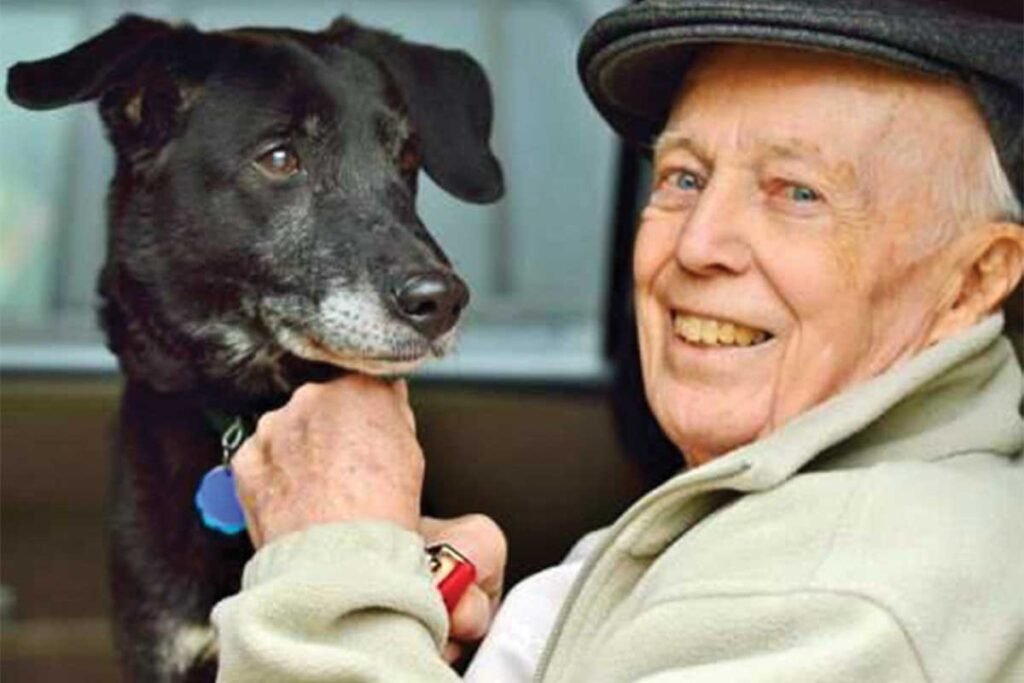
Ninety-two-year-old James exemplifies that age is merely a number. Seeking a furry companion to brighten his later years, James adopted Trinity, an eight-year-old lab mix rescued from a home lacking electricity by the Animal Friends shelter in Pittsburgh. Their bond was built on shared experiences, including their mutual struggle with poor eyesight.
“We have something in common!” James joyfully noted when he discovered Trinity’s visual impairment. Their relationship flourished after adoption, significantly aided by the efforts of Pets for the Elderly.
Founded in 1992, this Cleveland-based organization works to alleviate social isolation by connecting senior citizens with shelter animals. It partners with 58 rescue organizations across 33 states to offer reduced adoption fees, veterinary services, and pet food, facilitating over 100,000 successful adoptions.
“For many seniors, their pet can be their sole companion,” explains Susan Kurowski, executive director of the organization. “It’s devastating when they find it financially impossible to adopt or care for an animal.”
Overcoming Age Bias in Adoption
Kurowski emphasizes that while shelters affiliated with their organization provide a supportive environment for seniors, other shelters may hesitate to allow elderly individuals to adopt animals.
“Some shelters won’t even allow older individuals to be considered because they believe they are too advanced in age, which is disheartening,” Kurowski remarks.
Maddie Aicher, an adoption manager at Animal Friends, mentions that their shelter conducts comprehensive evaluations to ensure seniors can responsibly care for pets. When a successful match is made, it can be life-changing.
“It’s amazing to witness the joy as seniors come in to meet their new furry friends,” Aicher noted. “It profoundly enriches their lives.”
This article first appeared in the May/June 2025 edition of The Windows Club magazine (US edition).