This month, as we honor the rich and varied cultures within our nation, we take a moment to appreciate the invaluable knowledge rooted in Indigenous plant medicine. LoriAnn Bird, a Métis herbalist and educator, shares her understanding of the gifts of nature that have supported Indigenous communities throughout history.
Generations of Plant Knowledge
Indigenous knowledge systems in the Americas utilize various plants recognized in Western pharmacology as well. However, Bird highlights that “this history is primarily oral, passed down generations rather than written.” She emphasizes that this wisdom transcends cultures: “We are all inhabitants of this earth.”
Throughout history, plants known to combat and alleviate pain and inflammation have been crucial for human survival worldwide. Despite advancements in the Western medical model leading to improved health outcomes, contemporary lifestyle changes have seen an increase in inflammatory illnesses, including autoimmune disorders and COVID-19. Thus, the role of plants as both food and medicine is still significant.
Learning from Plants
LoriAnn Bird, author of the upcoming book Revered Roots: Ancestral Teachings and Wisdom of Wild, Edible, and Medicinal Plants (Cool Spring Press, 2025), regards plants as powerful educators.
Bird articulates, “We often seek control due to our traumas. The more we resist feeling our emotions, the more intense those feelings become. Every experience holds a lesson. What can we learn from our struggles? How can we embrace them?”
She notes that when we experience discomfort, it usually signals a misalignment among our mind, body, spirit, or emotions. In those times, tinctures, teas, and salves can help restore balance across these aspects of our being.
Nurturing Bonds with Our Plant Allies
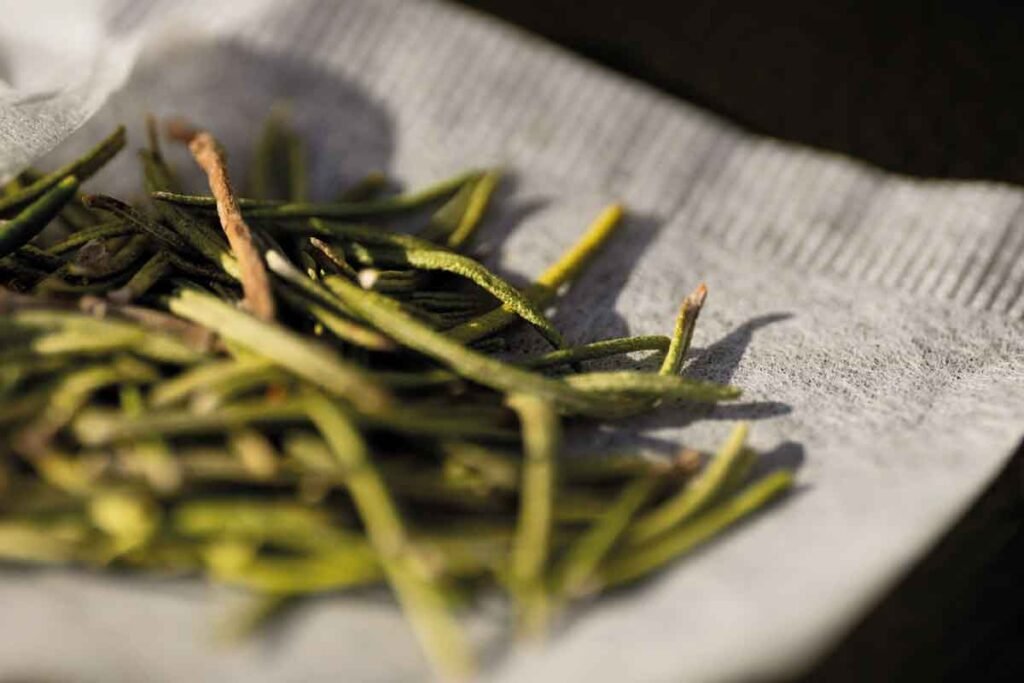
When European settlers arrived on the eastern shores of Canada, Indigenous peoples introduced them to pine needle tea as a remedy for the scurvy prevalent due to their long sea voyages. Bird continues to forage and consume wild plants rich in vitamin C, such as evergreen tips.
In her gardening, Bird employs an ecosystem approach, planting yarrow to attract pollinators and comfrey near compost piles to hasten decomposition. This philosophy also applies to our understanding of the human body.
Given the powerful medicinal properties of plants, Bird encourages individuals to explore which plants resonate with them and which may not be suitable for their conditions. “It’s an ongoing exploration,” Bird remarks. “Plants sacrifice themselves to aid us in healing and restoring balance, yet they can also pose risks.”
Future Stewards
Bird collaborates with individuals from various backgrounds and age groups to encourage them to engage with and appreciate the wisdom of nature.
She envisions a future where Indigenous knowledge and the healing attributes of medicinal plants are preserved and revitalized for the benefit of forthcoming generations.
This article originally appeared in the July 2025 edition of Thewindowsclubs magazine.