
Have you ever found yourself juggling a phone call while preparing dinner or sending emails during a meeting, resulting in burnt meals or missed conversations? You may be experiencing what’s known as “popcorn brain,” a mental state where your thoughts rapidly jump from one thing to another, hindering productivity. This compulsive multitasking can become a habit, leading to distraction even during straightforward tasks.
Fortunately, there are effective techniques to help you regain focus and minimize distractions.
Reduce Screen Time

Studies indicate that time spent on digital devices can diminish attention spans. Consider using timers and productivity apps to monitor your usage. Take a moment to discover how much time you dedicate to your smartphone, tablet, or computer. This awareness can help you feel more grounded in your thoughts and objectives, rather than constantly seeking distractions.
Establish Physical Distance

Did you know that even having your phone nearby can disrupt your focus? Throughout the day, it’s easy to check for social media likes, new texts, or app updates. To combat popcorn brain, try keeping your device in another room, in a drawer, or out of your immediate view. You’ll likely notice how quickly the urge to check your phone diminishes when it’s not within reach.
Limit App Notifications

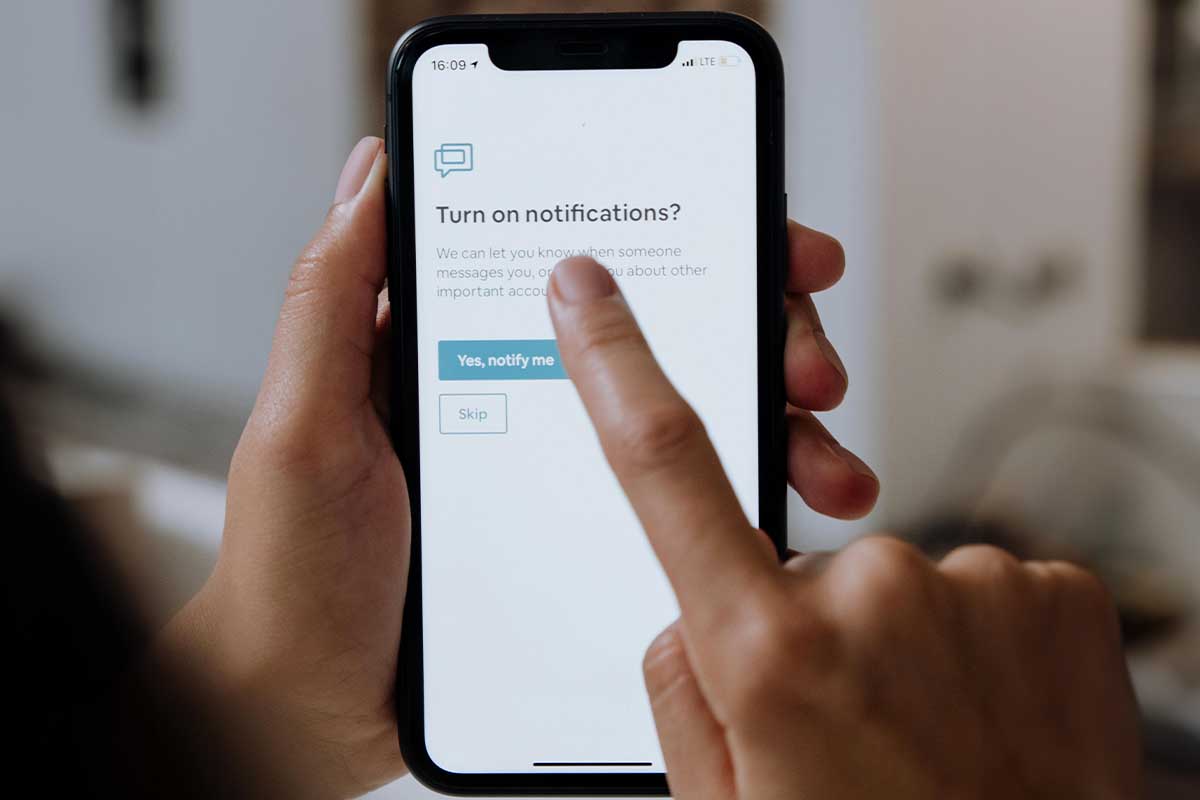
If completely giving up your devices is not an option, consider making them less alluring. Research suggests that app notifications and vibrant colors can provoke compulsive checking, so limiting permission settings may help reduce distractions on your lock and home screens. Additionally, switching your phone to grayscale can alter your device use perception and enhance your self-control over its usage.
Monitor Focus Periods

To regain your ability to concentrate, you must recognize when you’re paying attention and when you’re not. Use a stopwatch to measure how long you focus on a task before your mind wanders. Aim to gradually extend that duration and track your improvements to build confidence.
Foster Social Connections

To effectively reduce screen time, find engaging alternatives to the social interactions that devices provide. This might include scheduling regular calls or meet-ups, joining clubs or community service groups, or becoming a familiar face at local establishments—ways to fulfill your social needs without resorting to apps like Instagram or TikTok.
Practice Mindfulness through Meditation

You likely understand that meditation can cultivate mindfulness, foster gratitude, and reduce stress, countering the effects of popcorn brain. Did you know that even a brief session of 10 minutes can greatly enhance your focus? This benefit is perfect for beginners, but if the idea of sitting still feels daunting, consider other options like journaling.
Establish New Routines

Habit formation is a strong influence; therefore, cultivate low- or no-screen habits within your daily life. Consider listening to music during your commutes, taking walks on breaks, or reading at bedtime instead of defaulting to your devices. These practices not only promote physical well-being but also enhance focus, sleep quality, and overall lifestyle.
Consider a Digital Detox
Have you ever felt a sense of relief while being disconnected in a foreign land or in nature? You can recreate that sensation at home by trying a digital detox—dedicate time, whether it’s a day, a weekend, or an entire week, to disconnect from screens.
Define Productivity Objectives

Once you manage to reduce the chaos of popcorn brain, it’s vital to keep that momentum going. Utilize to-do lists, designate specific time blocks for tasks, and reward yourself for achieving goals to reinforce habits that minimize device use. The value of these organizational tools shouldn’t be underestimated; studies show that merely checking off tasks can significantly enhance your satisfaction in completing them.
Collaborate and Share Insights

Your journey to improving focus doesn’t have to be a solitary one—friends, family, and even children can become valuable partners in this endeavor. Share your discoveries and insights throughout this process, and encourage them to do the same. Together, you can maintain your commitment to sustained focus.