
01
What is perimenopause?
Numerous household items contain endocrine disruptors, stealthy chemicals that can lead to lower estrogen levels in women beyond typical perimenopausal changes. Fortunately, by minimizing exposure to these substances and embracing a diet rich in phytoestrogens, you can mitigate the adverse effects linked to these endocrine disruptors.
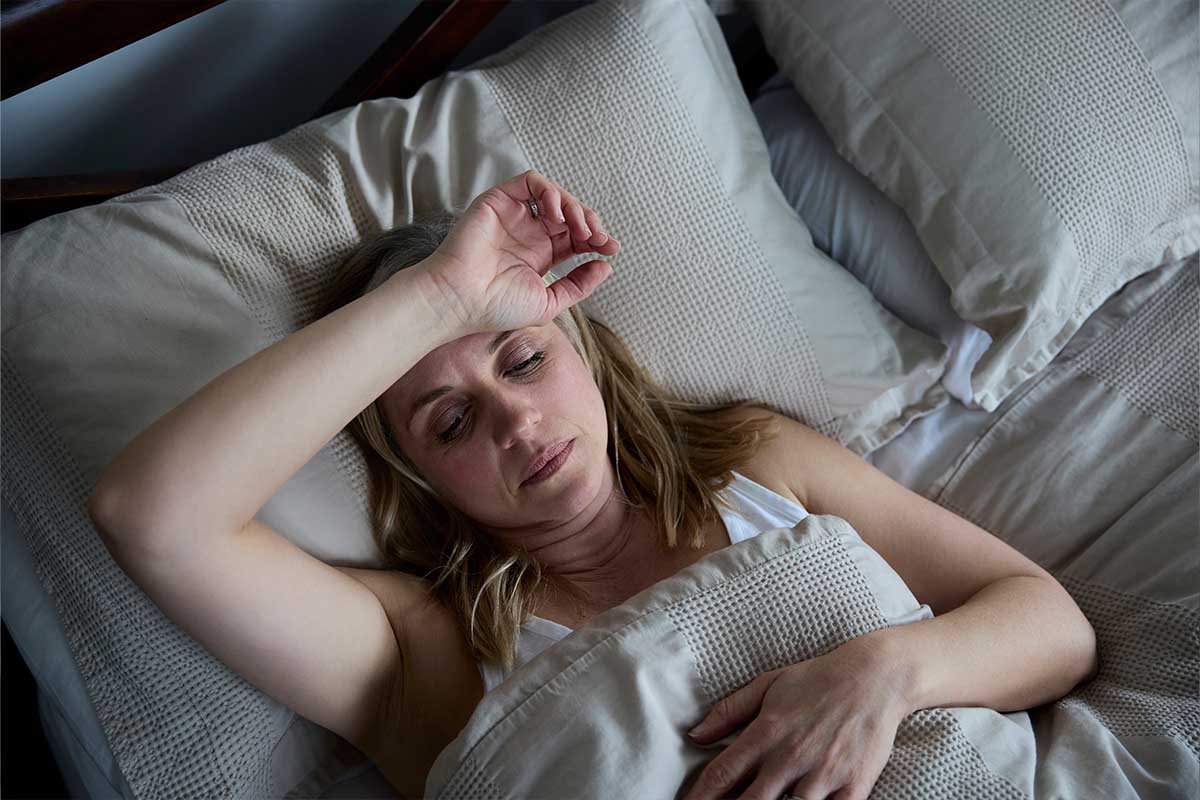
Perimenopause precedes menopause and may last for as long as eight years! Menopause is officially recognized when menstruation has ceased for over twelve consecutive months. Symptoms associated with perimenopause can vary and may include irregular menstrual cycles, alterations in sexual function, hormonal changes, and emotional fluctuations.
02
How do endocrine disruptors impact hormones?

The endocrine system plays a vital role in regulating hormones that are essential for many bodily functions, such as growth, metabolism, immune responses, and reproductive health. Research indicates that endocrine disruptors can interfere with the endocrine system’s normal hormone functions, particularly progesterone and estrogen. This disruption can exacerbate perimenopausal symptoms and may lead to earlier menopause onset in certain cases.
03
How can you reduce your exposure?

While it’s nearly impossible to completely eliminate all endocrine disruptors, you can gradually lessen your exposure. Begin by swapping out household items known to contain these chemicals for healthier alternatives at a pace that feels manageable.
The problematic item: nonstick cookware

A lot of nonstick cookware brands contain a chemical known as perfluorooctanoic acid (PFOA), an endocrine disruptor linked to earlier menopause signs and potential kidney function issues.
Healthier alternatives: stainless steel or cast iron
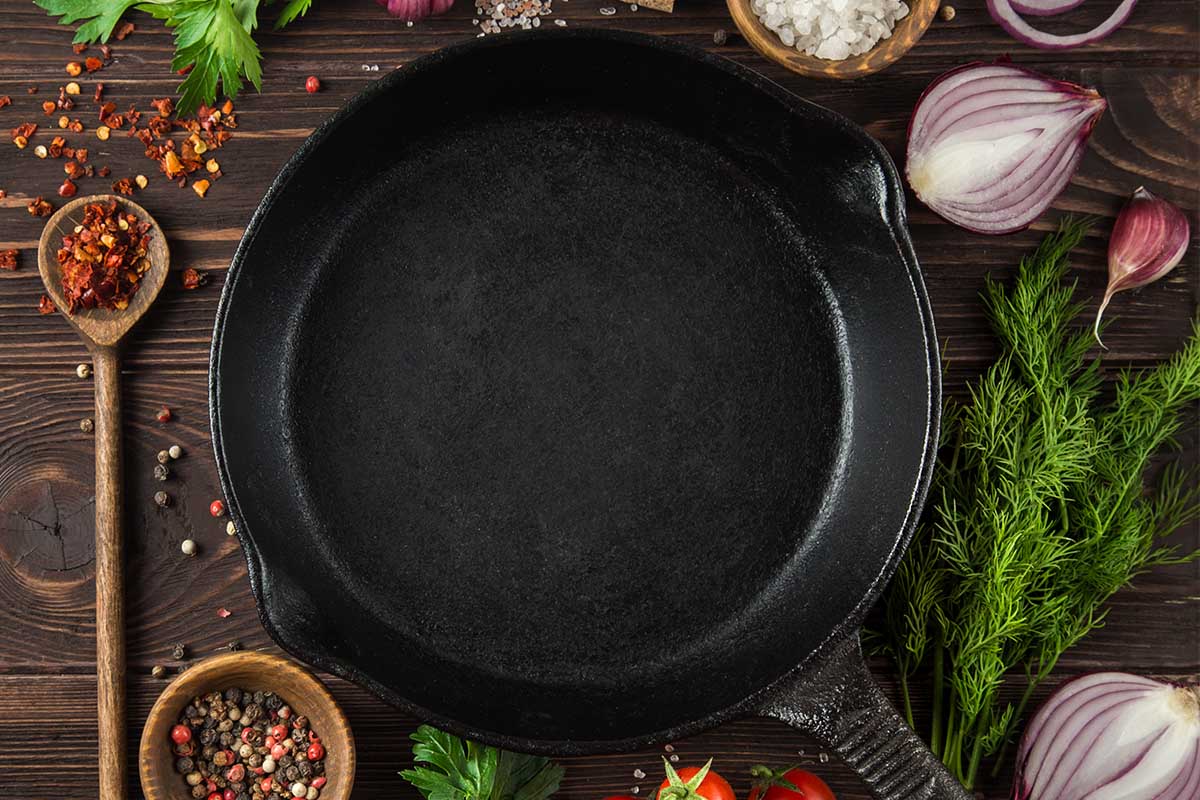
To mitigate PFOA exposure, consider using stainless steel or cast iron cookware instead. While adjusting to stainless steel can take some practice, one helpful tip is to preheat the pan and use adequate healthy oils to prevent food from sticking.
The issue with plastic
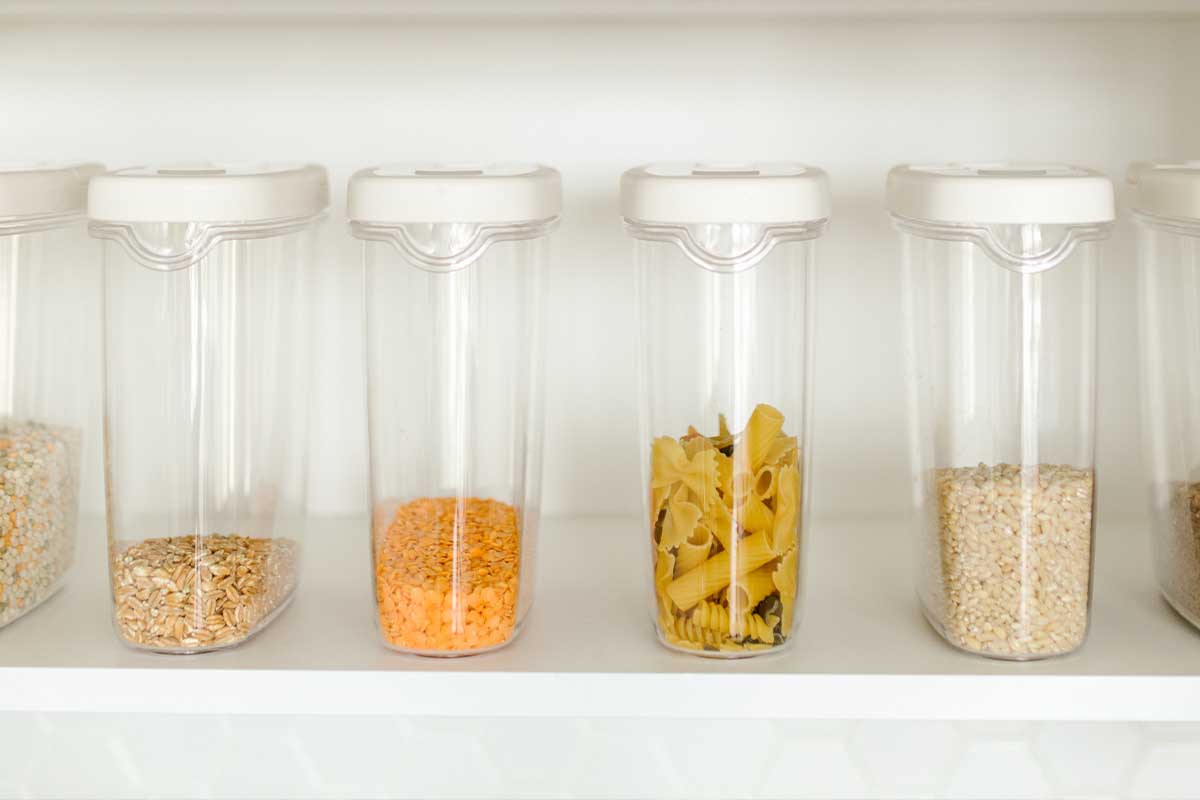
Plastic items not only harm the environment but may also contain chemicals that disrupt hormonal balance and affect sleep. Constituents such as Bisphenol A (BPA), phthalates, and styrene found in various plastics are linked to endocrine disruption in some women.
A safer choice: glass
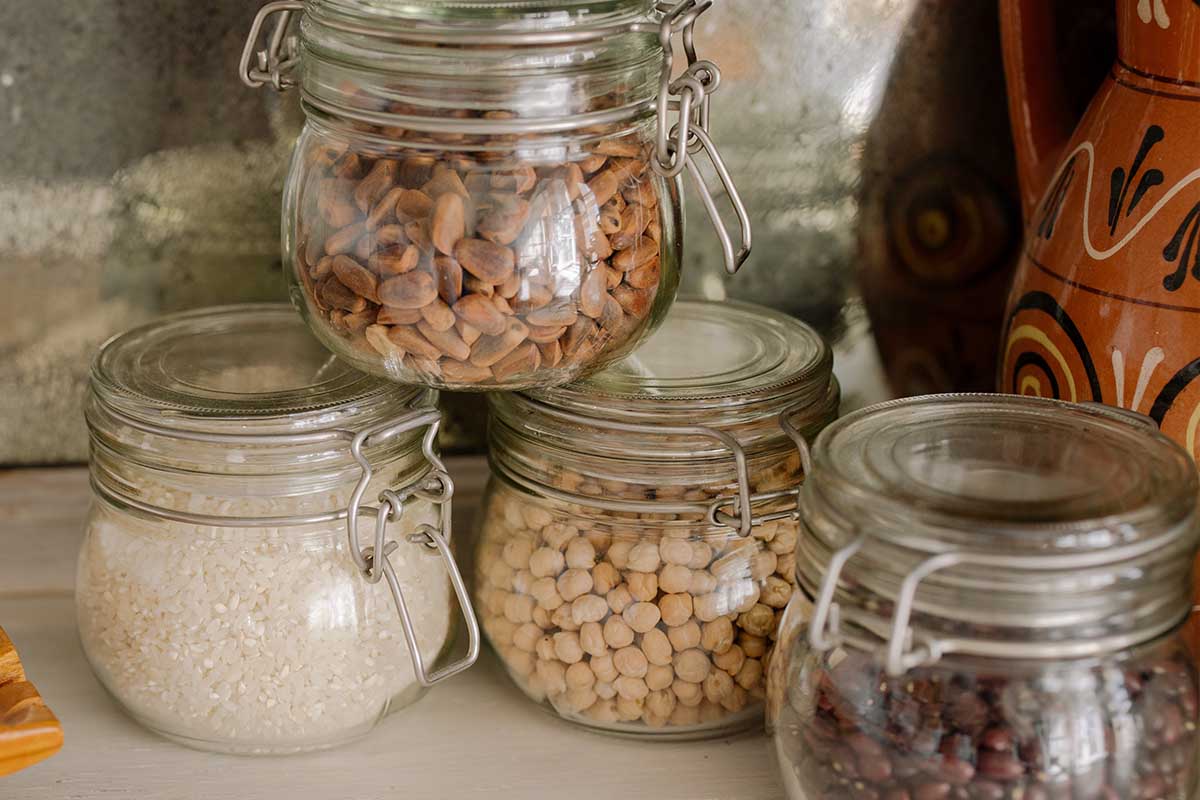
Consider upgrading your kitchen with glass storage containers for items like baking supplies and cereals. If plastic is unavoidable, choose those labeled with recycling codes 3, 6, and 7 with caution, as they are typically associated with higher hormone-disrupting compounds.
Conventional cleaners are problematic
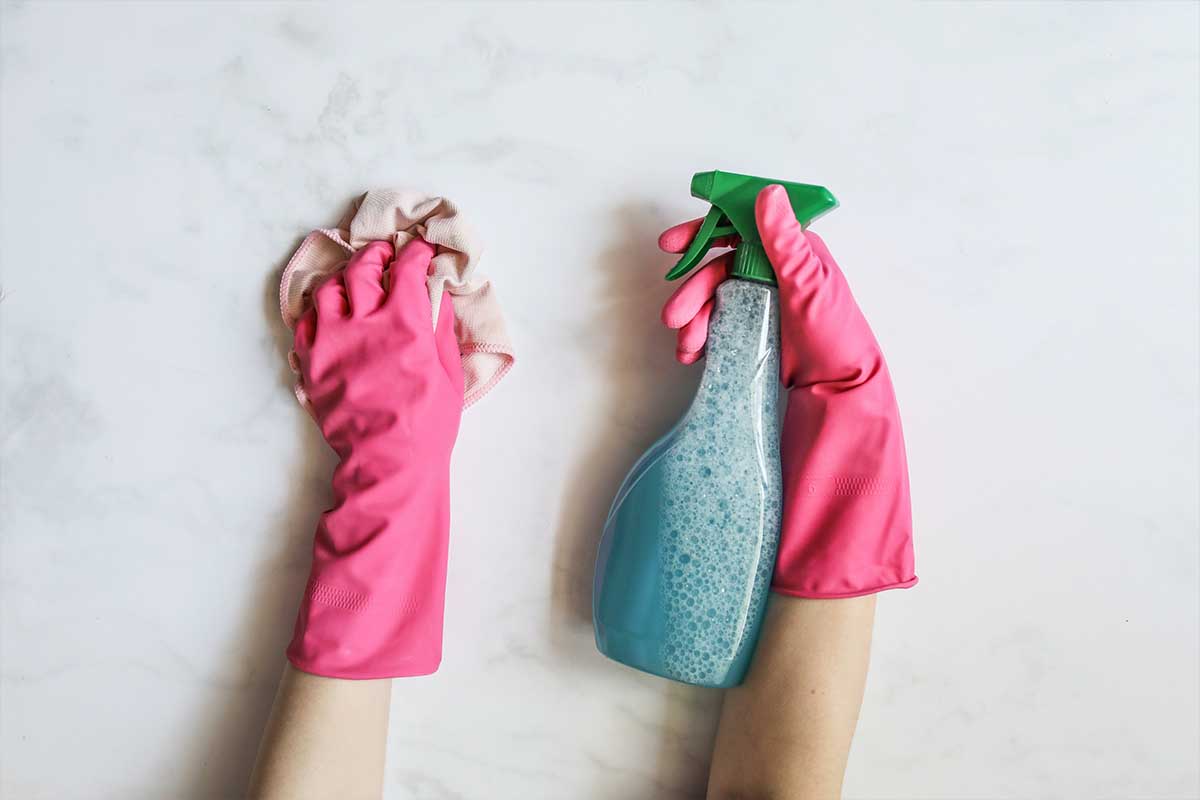
With so many cleaning products available, it can be challenging to identify which ones are safer for health and the environment. Many cleaning solutions incorporate synthetic fragrances, phthalates, and other harmful compounds that may disrupt hormones and trigger hormonal imbalances.
Natural cleaners as a better option
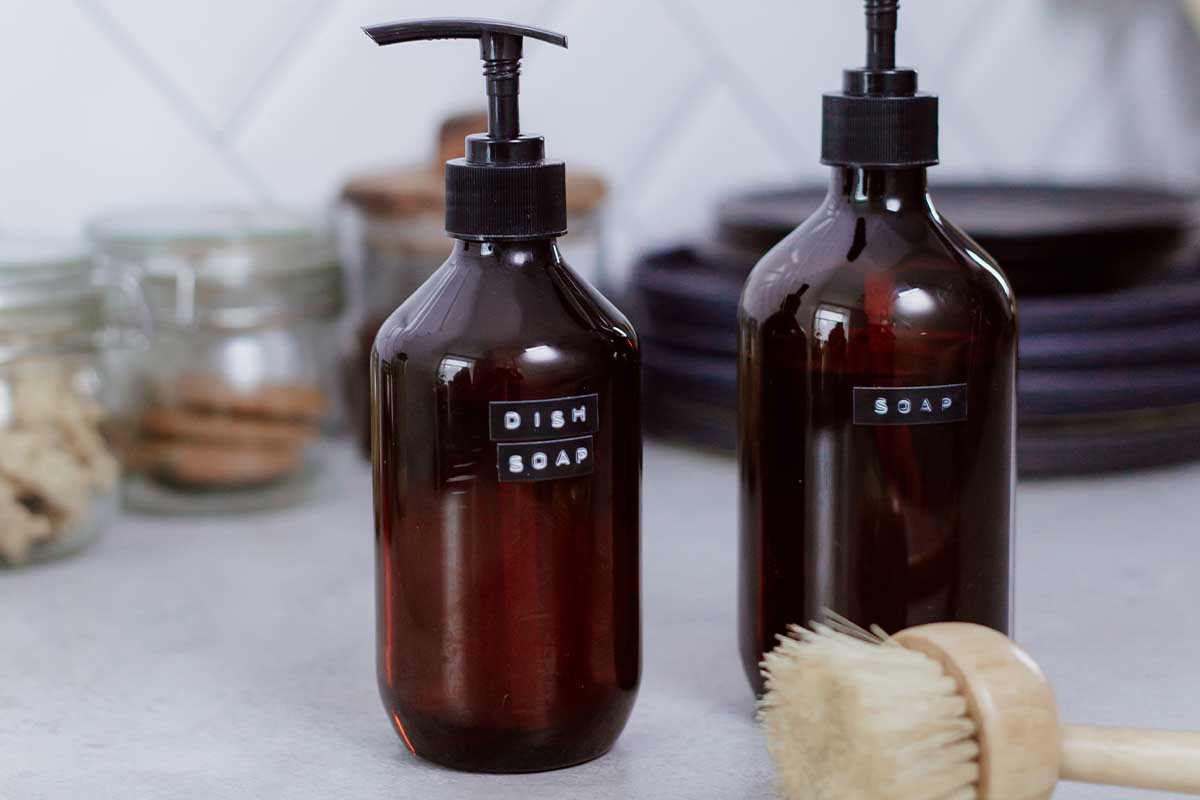
When selecting cleaning supplies, opt for products that avoid petroleum byproducts and phthalates. Alternatively, you can create your own cleaning solutions using ingredients like vinegar, baking soda, and lemon juice, and store them in reusable glass bottles.
Risks associated with air fresheners and candles

Scented products like air fresheners and conventional candles often contain synthetic fragrances, phthalates, artificial colors, and volatile organic compounds (VOCs), which can lead to hormone disruption. Prolonged exposure to these products may pose health risks to you and your loved ones.
Choosing essential oils and non-toxic candles
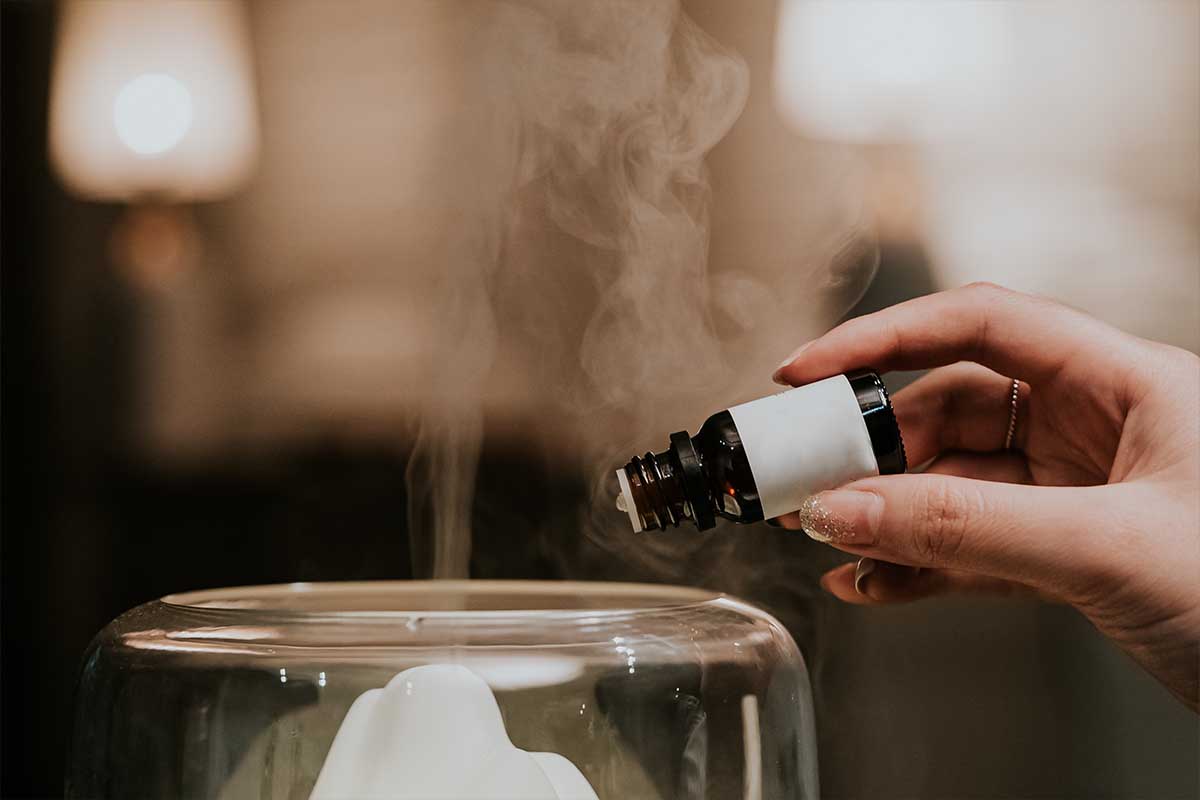
Select candles made from natural waxes, such as beeswax, to avoid harmful ingredients. Additionally, essential oils can be a wonderful alternative for creating pleasant aromas; you can use them in a diffuser or add them to your homemade cleaning products to keep your home smelling delightful all day.
Understanding phytoestrogens
In addition to steering clear of endocrine disruptors, you can enhance your hormone health by increasing your intake of phytoestrogens. These naturally occurring compounds, prevalent in plant-based foods, have shown potential in alleviating menopausal symptoms. Phytoestrogens can assist in maintaining estrogen levels and alleviating challenges like vaginal dryness and hot flashes, while also supporting bone health and cognitive function during perimenopause.
Try incorporating the following phytoestrogen-rich foods into your daily meals:
● organic soy products like tofu and soymilk
● legumes such as chickpeas, lentils, and beans
● flaxseeds and sesame seeds
● whole grains including oats and barley
Maintaining a nutritious, protein-rich diet, cutting back on alcohol, and ensuring restorative sleep are other beneficial strategies to navigate the perimenopausal phase. By minimizing exposure to endocrine disrupting agents and embracing a phytoestrogen-focused diet, you can promote better hormonal equilibrium during and post-perimenopause.

