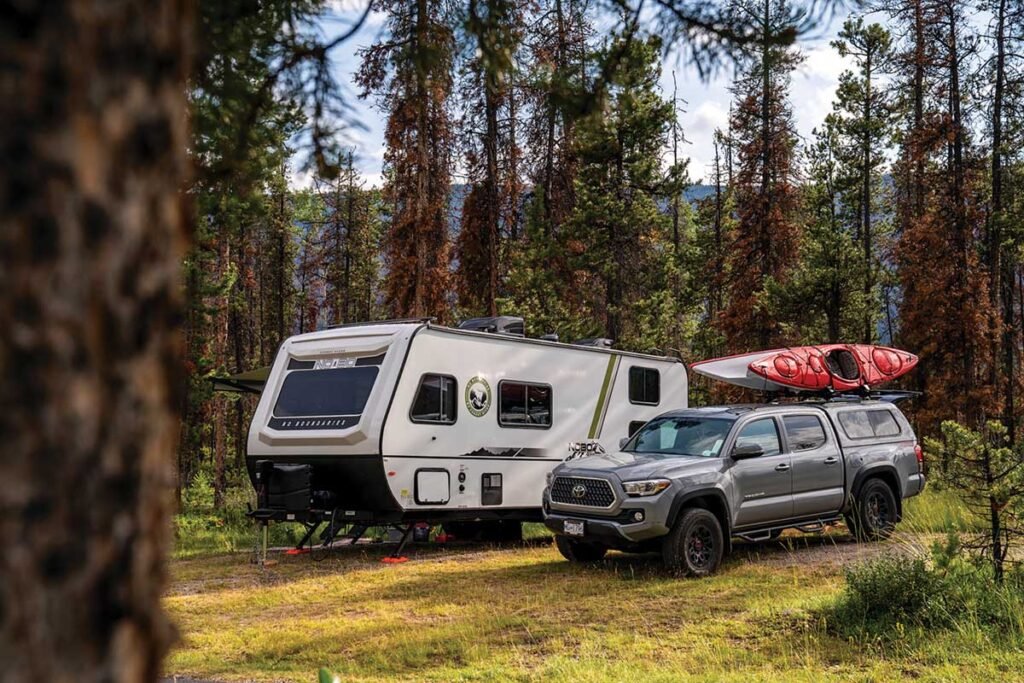
In the last ten years, camping has become increasingly popular among Canadians, establishing itself as one of the top three outdoor activities in the country. The Canadian wilderness caters to all kinds of camping enthusiasts, offering everything from kayak camping to backpacking adventures.
Boundless Opportunities
With 47 national parks and reserves, Canada boasts nearly 340,000 square kilometers dedicated to camping. This area does not account for the provincial parks, private campgrounds, or free campsites available throughout the country.
“Canada is unparalleled for camping, largely due to its vastness,” states Alex Ross, a camping guide and CEO of Fresh Adventures in British Columbia. “International visitors—even those from Australia—are amazed by how much wilderness we have and the expansive areas available for exploration.”
Expand Your Camping Horizons
Setting up camp in a city campground offers certain advantages, but it’s just one of the numerous styles of camping available.
RV and Van Camping
About 60% of campers express interest in trying RV camping, while campervans provide a compact, easily maneuverable option. “The popularity of van camping is on the rise,” notes Ross. “It’s popular for those seeking shelter from wildlife, insects, and inclement weather.”
Backpacking and Hiking
Journey to a secluded beach or a towering peak and completely unplug from the chaos of modern life. “During our backpacking excursions, we traverse past stunning alpine lakes and glaciers,” Ross explains. “The possibilities are endless. We can pitch our tents almost anywhere, and it feels incredibly liberating.”
Bike Camping
Cruise along forest service roads or within regional parks, allowing you to cover considerably more distance than you would on foot, until you come across a perfect camping site.
Kayak Camping
Load your waterproof bags onto a kayak, canoe, paddleboard, or even a jet ski, and navigate to hidden beaches and coves that are otherwise off-limits. “We venture out to the ocean for a few days, discovering pristine, untouched inlets,” says Ross.
Get Ready for Camping!
1. Start Slowly if You’re a Beginner
Consider beginning with a camping excursion in your backyard to familiarize yourself with setting up a tent and using your camping gear.
“Take small steps,” Ross advises. “Start with a weekend camping trip at a frontcountry site. After that, try a walk-in campground at a provincial park to get used to packing your gear and carrying it all at once. Then, just build from there!”
2. Gather Essentials
“Adopting a minimalist approach is cost-effective, simplifies packing, and enhances your mobility,” advises Ross. “Most people tend to overpack immensely—you typically need much less than you think.”
Essential items include a tent, sleeping bag, and light sources like flashlights or headlamps with spare batteries. Don’t forget a first aid kit, personal hygiene items (like sunscreen), and basic cooking tools.
3. Look into Guided Tours or Workshops
“When I began, I participated in guided trips and mountaineering classes,” shares Ross. “It’s a fantastic method to connect with others who share your interests, dive right in, and learn from camping professionals.” Parks Canada also offers various Learn-to-Camp workshops nationwide.
“Before you know it, you’ll feel well-equipped to take on any camping experience,” notes Ross. “I find that as individuals overcome various camping challenges, they become eager and ready for the next adventure.”
Engaging in camping activities contributes positively to well-being: it boosts self-esteem, enhances mental health, resets sleep patterns, and can even fortify personal relationships.
Frontcountry sites are readily accessible via vehicle and typically offer basic facilities, such as bathrooms and firewood sales.
Backcountry locations tend to be more secluded, requiring either a hike or a 4×4 vehicle to reach, often lacking amenities, but they offer an immersive escape into nature.
Statistics
While Statistics Canada does not specifically track individuals residing in vans and RVs, data indicates that the number of Canadians living the van life has surged by 30% in recent years.
Demographics
The demographic of van dwellers is varied, encompassing retirees and young professionals. Approximately 51% of those living in vans do so full time, with half of them camping in national parks, forests, and similar venues.
Advantages
For many, this lifestyle allows for a break from daily grind, offering a simpler, more cost-effective way of living. For others, it represents an opportunity for adventure, a closer connection to nature, and a chance to embrace spontaneity—considered to be mentally liberating by many.
Permits
Most camping areas require daily fees for entry and services. For national parks, you’ll need either a pass for a single location or an annual Parks Canada Discovery Pass, purchasable through the Parks Canada website or at Mountain Equipment Co-op (MEC) stores. For other parks, it’s best to contact your province or the respective campground operators.
Reservation Guidelines
It is advisable to secure your campsite well in advance, as they tend to sell out quickly. Reservations for most parks usually open in spring. For national parks, bookings can be made online or via the designated phone line.
Off-Season Camping
Camping is possible throughout the year; however, some parks may close select campgrounds or trails during the off-season from November to April. Expect less favorable weather and limited services, but enjoy the perk of fewer crowds at your chosen site.