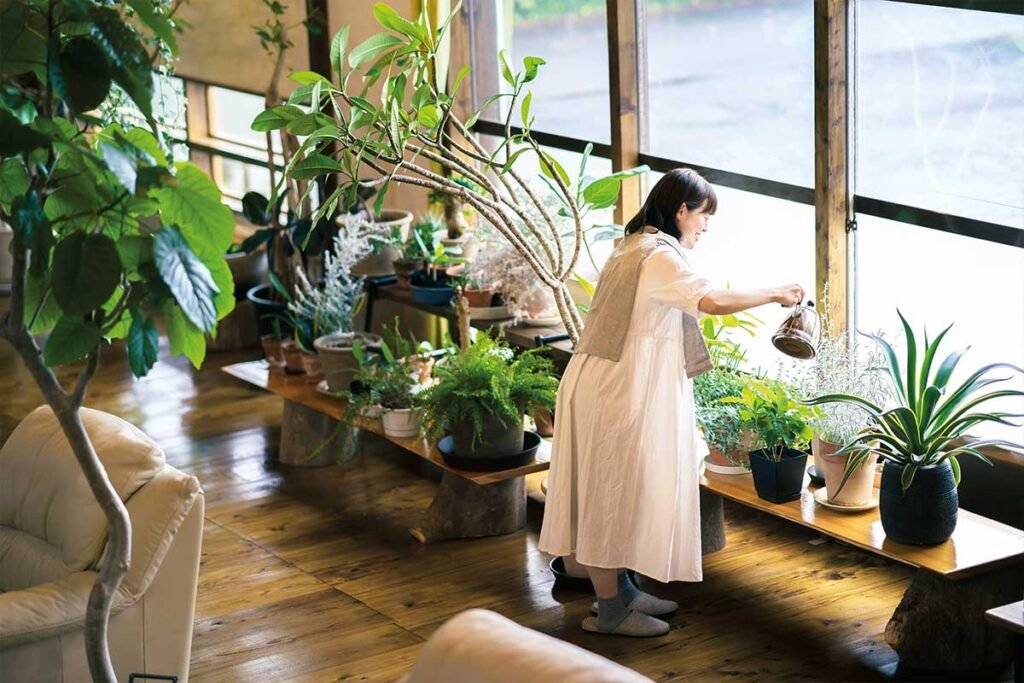
For many years, we believed that plants were merely passive entities, growing, blooming, and generating oxygen. Recent studies, however, paint a different picture. Researchers have uncovered intriguing evidence suggesting that plants may have a form of “memory,” communicate through chemical signals, and display adaptive behaviors. This evidence indicates that plants may have a more active role in their surroundings than previously understood.
This article reviews the contributions of renowned ecologist A. Carl Leopold and other researchers, shedding light on how this knowledge can change our approach to caring for plants, designing environments, and leveraging plant life for enhanced mental and physical well-being.
Plants exhibit “memory”
Readers may be surprised by Leopold’s insights into plant memory. A striking example can be seen in sunflowers, which follow the sun throughout the day and return to their original position at night, demonstrating anticipation even when in complete darkness. Moreover, the leaves of albizia trees open and close according to daylight cycles, continuing this rhythm in darkness.
As Elizabeth Van Volkenburgh, a professor emerita at the University of Washington, notes, “Once the truth of plants’ memory and communication is accepted, it leads to curiosity about what other hidden phenomena might be occurring within plants and ecosystems.” This newfound awareness might prompt individuals to be more considerate in their interactions with nature.
Certain seed varieties show remarkable memory by recalling the light conditions experienced by their parent plants, thus influencing their germination timing. Some of these adaptations can last for many years, promoting survival under specific environmental stressors.
The Impact of Indoor Plant Selection
The University of Reading researchers conducted a study that evaluated various common indoor plants based on the preferences of 520 participants. Among the most calming plants identified were Ficus benjamina (weeping fig), Dypsis lutescens (areca palm), and Epipremnum aureum (golden pothos).
Plants as Timekeepers
Beyond their memory, plants demonstrate an impressive capability to perceive time. For instance, some seeds require specific durations of darkness to trigger germination, indicating an internal clock. Begonia seeds, for example, remain dormant unless the nighttime conditions fall below a certain threshold.
Certain plants like bamboo take this concept further; some species bloom and die in synchrony across distant locations despite differing environmental factors, hinting at a biological clock that spans years or even decades.
Plants Communicate Using Chemical Signals
One of the most captivating findings is that plants can communicate with one another and other organisms via chemical signals. When herbivores attack, plants emit volatile compounds that serve as distress signals, alerting neighboring plants to defend themselves. Some species even attract predatory insects to fend off their attackers.
Plants also utilize specific chemicals to lure pollinators. Some even mimic pheromones or produce scents akin to decaying meat to entice insects. Others, such as the skunk cabbage, generate heat to intensify their aroma and attract pollinators.
Van Volkenburgh explains, “The leaves of plants not only absorb carbon dioxide and release oxygen, but they also humidify the surrounding air and emit various organic compounds for numerous ecological functions.” Understanding these interactions can be advantageous for those cultivating plants indoors, as it highlights the interrelated roles of roots and leaves, and the benefits of growing diverse species together.
Unraveling Plant “Intelligence”
If you’re interested in delving deeper into the “mysteries” of plant cognition, consider reading Zoё Schlanger’s book, The Light Eaters: How the Unseen World of Plant Intelligence Offers a New Understanding of Life on Earth (Harper, 2024).
Implications for Human Interaction
Gaining insights into plant intelligence can significantly alter our relationship with nature. Here are some practical applications of these discoveries.
Enhanced Plant Care and Connection
Understanding that plants have capabilities for memory and communication emphasizes the importance of how we tend to them. Appreciating their sensitivity to environmental factors can lead to healthier, more resilient plants. “Realizing that a plant is a living organism and not just an object can heighten awareness of the natural world,” states Van Volkenburgh.
Designing Healthier Urban Environments
Urban planners are increasingly relying on research indicating that green spaces can improve air quality, alleviate stress, and enhance overall well-being. The intent is to design urban areas that integrate plant species with adaptive behaviors to benefit their inhabitants in numerous ways.
Developing Therapeutic Spaces
Research has shown that the presence of plants can reduce anxiety and improve mood. A deeper understanding of plant behavior may influence how we create therapeutic environments, such as hospitals and counseling rooms. “The evidence is clear—plants in healing settings positively impact recovery outcomes,” says Van Volkenburgh. “By understanding how plants interact, even in non-natural settings, we can promote successful plant groupings that thrive indoors.”
A Broader Perspective: Rethinking Plant Intelligence
These insights suggest that intelligence is not limited to animals endowed with brains. Plants, along with bacteria and fungi, engage in intricate networks of communication that enhance their adaptability and survival.
Recognizing this expanded definition of intelligence compels us to think of the natural world as an intricate, interconnected system of responsive, interactive entities rather than merely a collection of inactive life forms. Van Volkenburgh argues that this research has practical implications, stating, “Past approaches tended to focus on engineering plants for human needs, often ignoring the interconnected systems within plants disrupted by such practices.”
“Plant behavior research aims to uncover what plants do and how they do it, leading to a realization that plants are sophisticated biological entities, much like humans.” As inquiries into plant cognition advance, we are likely to unveil even greater complexities of their abilities. Acknowledging plants as active participants in ecosystems, rather than mere resources, will help foster more sustainable, healthy, and harmonious environments for all living beings.
Trusted Plant Companions
| Plant | Uses | Potential Benefits |
| Lavender | Aromatherapy, teas, skincare | Reduces stress, promotes relaxation, improves sleep |
| Rosemary | Cooking, essential oils | Enhances memory, boosts concentration |
| Sage | Culinary seasoning, medicinal uses | Has antimicrobial properties, supports cognitive function |
| Basil | Cooking, herbal remedies | Anti-inflammatory, promotes mental clarity |
| Lemon Balm | Teas, herbal medicine | Calms nerves, reduces anxiety, aids digestion |
| Thyme | Cooking, medicinal teas | Supports immunity, fights infections |
| Aloe Vera | Skincare, wound healing | Soothes burns, hydrates skin, promotes wound healing |
| Ginkgo Biloba | Supplements, teas | Enhances brain function, supports circulation |
| Green Tea | Beverages, supplements | Rich in antioxidants, improves focus, supports heart health |
This article initially appeared in the June 2025 edition of Thewindowsclubs magazine.

