The options for recycling materials such as metals, glass, plastics, and paper are increasingly accessible in our daily lives—yet how does recycling actually function, and what accounts for the variations seen in different locales? In this article, we thoroughly examine the recycling regulations and processes across various Canadian provinces and territories, while also outlining how you can contribute to recycling efforts.
Recycling throughout Canada
Western Canada
British Columbia (BC) has established itself as a leader in recycling innovation. Over 99% of BC’s population has access to recycling services for packaging and paper. In 2014, an extended producer responsibility (EPR) system was introduced, holding manufacturers, distributors, and retailers accountable for their products throughout their life cycle.
BC also enjoys a low contamination rate, thanks to effective education and outreach initiatives, as well as distinct material categories at recycling depots.
Recently, Recycle BC, a nonprofit organization funded by producers, launched its first fully electric truck in 2023. This initiative has led to a reduction in greenhouse gas emissions by 19,658 tonnes in its first year—equivalent to removing four cars from the road for a year.
Alberta, Saskatchewan, and Manitoba have similarly adopted a producer-responsibility approach.
In Manitoba, 95% of residents benefit from residential recycling services. The Recyclepedia tool aids residents in understanding where and how to recycle different materials. The recovery rate for eligible packaging and printed paper has risen from 52% in 2010 to 71.8% in 2022.
Eastern Canada
Ontario is in the midst of transitioning from a system jointly managed by municipalities, First Nations, and producers to a full EPR system, expected to be implemented before 2026.
Quebec reported one of the highest solid waste diversion rates in Canada at over 30% in 2022, comparable to BC and Nova Scotia.
New Brunswick has announced an EPR program set to be operational by November 2024, alongside developing a provincial initiative for recycling batteries and light bulbs.
In 2022, Nova Scotia achieved the highest waste diversion rate in Canada at 43%.
Northern Canada
The Northwest Territories provides recycling programs for various items including beverage containers, single-use bags, electronics, and general recyclables, while also encouraging waste reduction projects. Residents, along with businesses and organizations, can propose initiatives for waste reduction and recycling, such as the Food First Foundation’s effort to supply reusable dishware to schools.
The Yukon plans to roll out an EPR program by 2025, currently employing a mix of subscription services for curbside collection and community recycling depots.
Reinventing Recycling
Prevent
The most efficient method for waste reduction is to prevent it from occurring initially. Adopt mindful shopping habits; choose second-hand items; or borrow, rent, or share resources you don’t frequently utilize.
Re-use
Re-using items is the next logical step: empty metal cans can be repurposed for oil, old cartons can serve as planters, and stand-up pouches can become snack bags. Consider using plastic packaging to line your bins, donating lightly used clothing to second-hand stores, or transforming worn socks into pet toys.
Organize
Enhance the recycling process by making it more accessible. Involve your family in recycling initiatives by placing bins in multiple areas of your home, especially in bathrooms, fostering convenience.
It begins at home
Being meticulous about your recycling habits is essential. When recyclables are transferred to recycling facilities, they are placed on conveyor belts for sorting through manual selection, magnets, and air classifiers.
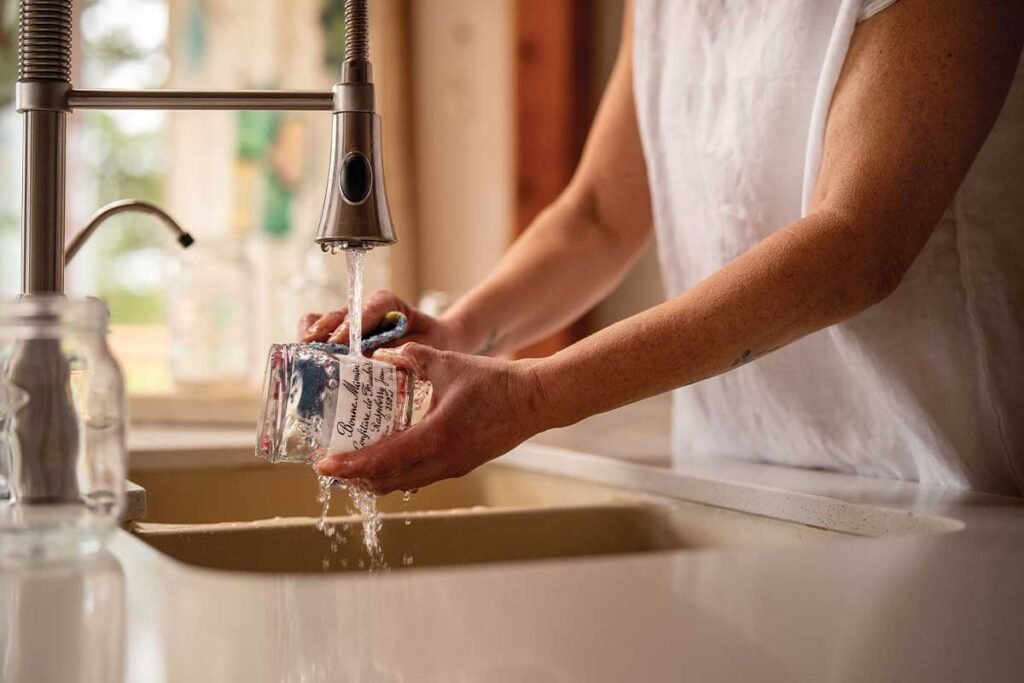
Recycling items that cannot be processed or neglecting to rinse out jars or remove labels can contaminate entire shipments of recyclable materials. This can adversely affect the marketability of the collected materials, leading to further costs—both financial and environmental.
Beyond the blue bin
There are many recycling opportunities outside of your regular blue bin:
- You can drop off writing instruments at Staples for their Free Recycling Program.
- Your eyeglasses may be recyclable at local optometrists.
- Items such as televisions, computers, printers, phones, and even e-bikes and scooters can be recycled at nonprofit electronic recycling centers throughout Canada.
This piece first appeared in the April 2025 issue of Thewindowsclubs magazine.