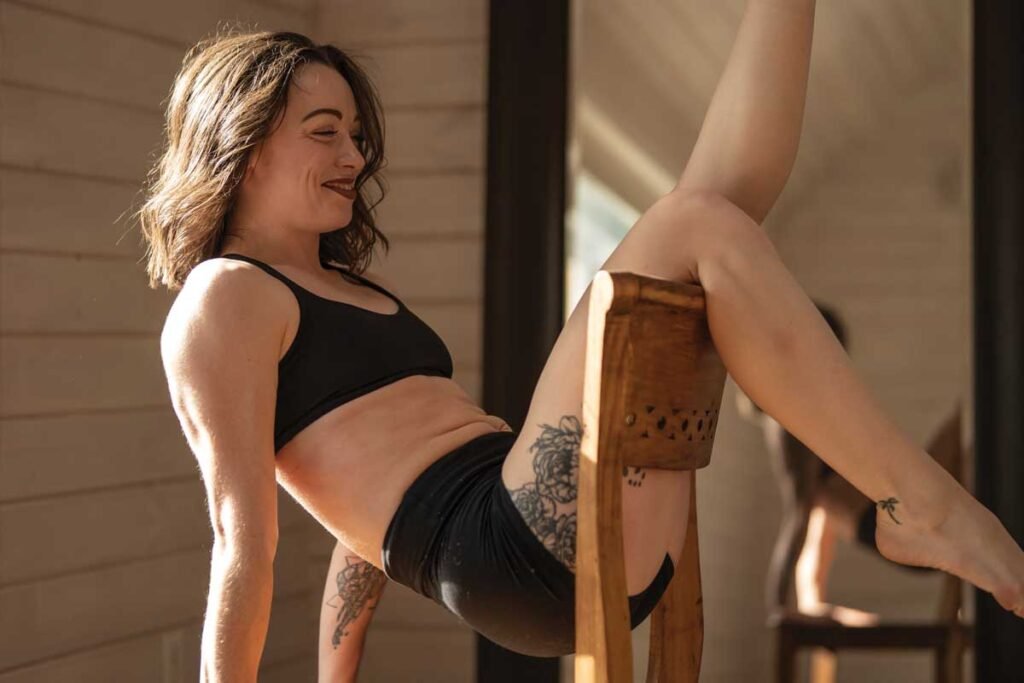
For anyone residing in Canada, even those brimming with positivity, the dreary grip of winter has an undeniable effect on mental well-being. As March approaches, the anticipation for spring intensifies—and indulging in dance may just be an effective way to usher in some warmth sooner.
Open to All
Believe you lack dance skills? Think again. Dancing is an intrinsic aspect of humanity; even babies express themselves through movement and rhythm long before they learn to speak.
“Dance embodies movement, and movement is a constant in our lives,” states Julia Ray, the founder of Ecstatic Dance Toronto, which hosts weekly sober dance events. “Your body inherently knows how to move.” If self-consciousness about “looking good” is keeping you from joining in, consider the numerous health advantages that might just encourage you to take that leap onto the dance floor.
The Impact of Dance on the Brain
Research indicates that just an hour of dancing can significantly lower depression scores. While similar to other forms of exercise, the effects of dance extend beyond mere endorphin release.
The interconnection of music and dance creates a unique experience: the anticipation within music activates the brain’s reward systems, while dance engages sensory and motor pathways. This dynamic interaction contributes to an enduring sense of joy, leading many to dance for hours on end.
Cognitive Benefits of Dance
Dancing may also decrease the likelihood of developing dementia and assist individuals with Parkinson’s disease by enhancing dopamine levels and fostering the creation of new neural pathways, thus improving neuroplasticity. Those with Parkinson’s often experience improvements in walking and speech when aided by rhythmic cues, and familiar songs can evoke memories for people with dementia.
Using Dance as Therapy
Dance Movement Therapy (DMT) combines the expressive power of movement and dance within a psychotherapeutic context.
“Our bodily experiences hold everything we’ve ever encountered,” explains Marlene Stirrett-Matson, president of the Dance and Movement Therapy Association in Canada. “Memories and trauma are stored there. Through movement, we help clients unpack and process those memories.”
DMT allows individuals to tap into subconscious feelings and confront issues that are challenging to express verbally, thus bypassing language and cultural barriers.
Building Physical Strength
Beyond its mental benefits, dancing serves as an enjoyable alternative to keep active, even when winter makes outdoor walking difficult. Various studies reveal that engaging in any dance style can significantly enhance muscular strength, flexibility, endurance, and balance.
Stay Active
Dancing is especially advantageous as we age, helping to preserve mobility, support joint health, and enhance overall physical wellness.
For individuals with limited mobility, dance remains a viable option. “You can adapt movements to suit the room’s environment,” notes Stirrett-Matson. “Participants can dance whether seated, standing, or lying down in a manner that feels safe and comfortable for them.”
Creating Community Connections
Dancing alongside others, be it in a group or between partners, builds not only individual benefits but also fosters a deeper sense of connection. Combining movements with others cultivates joy, connection, and belonging, synchronizing mood and energy, thereby strengthening social ties.
“Dancing is a powerful elixir rooted in health and wellness,” remarks Ray. “We possess everything necessary to flourish, and the dance floor exemplifies one of these key environments.”
This article was first featured in the March 2026 edition of Thewindowsclubs magazine.