01
The Influence of El Niño and La Niña
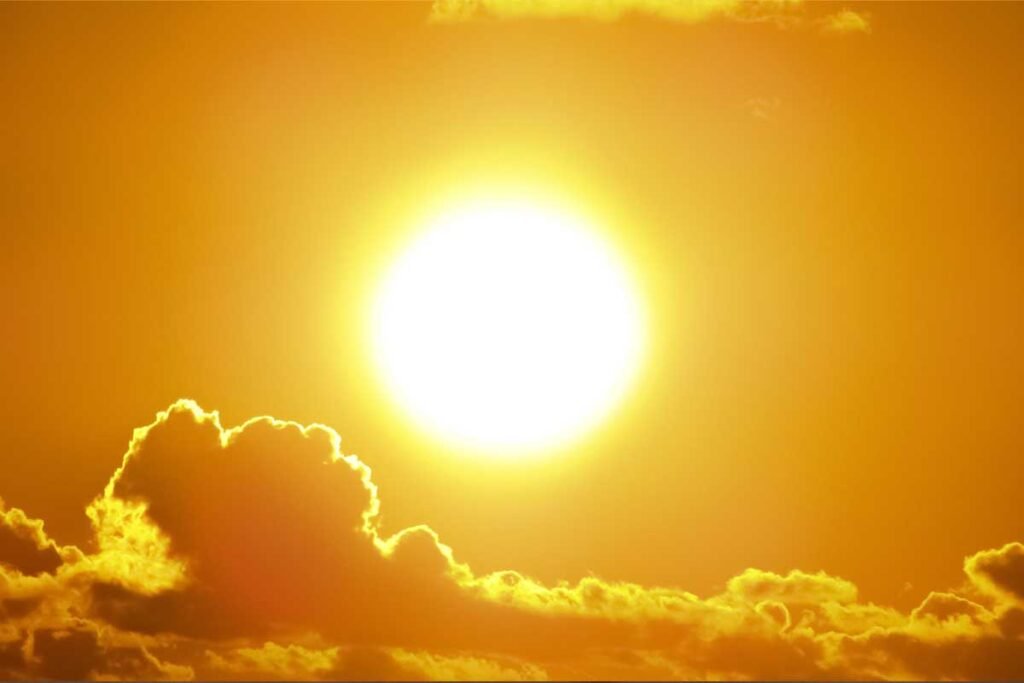
Prepare your sunscreen and keep that hydration close. After an unprecedented June, numerous climate specialists are forecasting that 2023 might turn out to be the hottest year recorded. While such extreme heat might delight beach enthusiasts, it poses serious risks for our health and the environment. This article delves into various elements that scientists believe are fueling the soaring summer temperatures.

El Niño refers to a climatic phenomenon that disrupts typical weather conditions. This event weakens trade winds, allowing warmer ocean waters to shift eastward. It tends to bring increased temperatures and dryness to the northern regions of the US and Canada. As reported by the National Weather Service, this anticipated El Niño commenced in early June 2023. Experts suggest that this pattern will significantly elevate global temperatures. At the same time, the contrasting phenomenon known as La Niña has recently come to an end, which is characterized by cooler ocean temperatures resulting from stronger trade winds. The conclusion of La Niña is expected to pave the way for warmer conditions compared to the previous year.
02
The Role of Greenhouse Gases
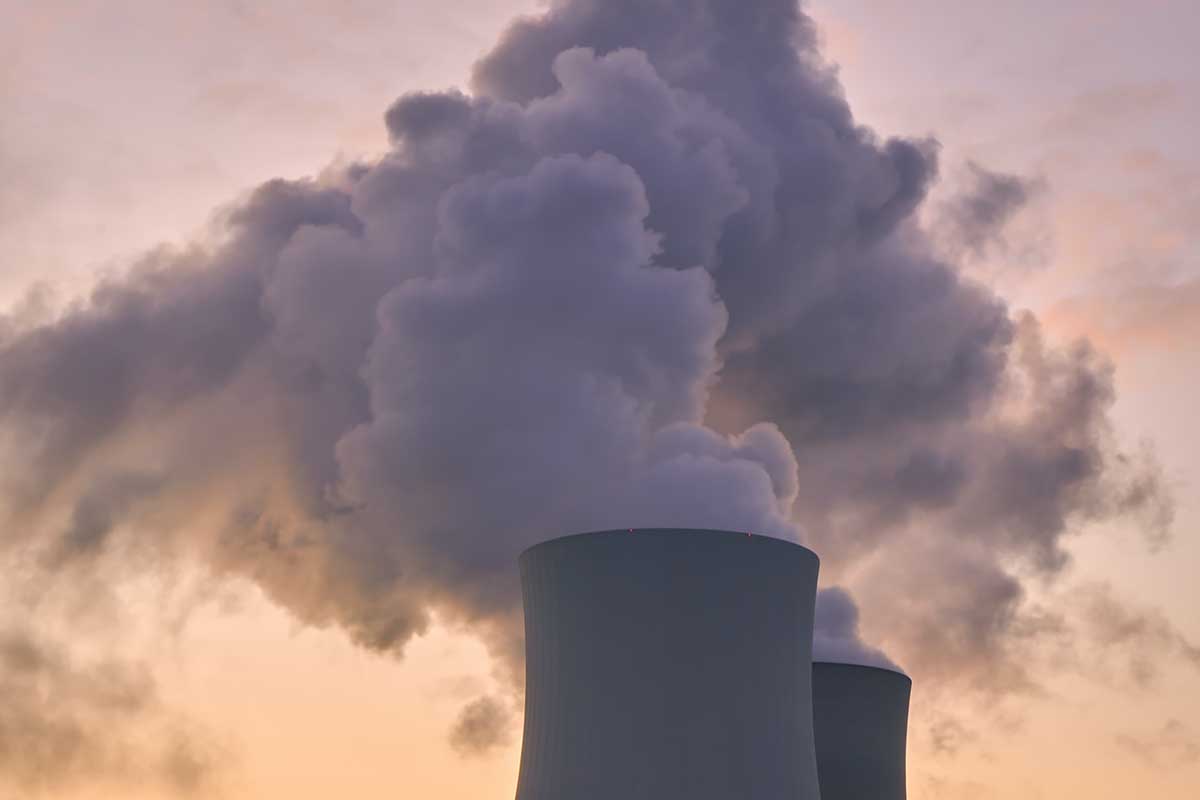
The levels of methane, carbon dioxide, and nitrous oxide continue to rise. Once these gases are emitted into the atmosphere, they trap heat, functioning like a protective blanket over the Earth. The increase in these emissions is a primary contributor to climate change and global warming. The US Environmental Protection Agency states that, “This natural process, known as the ‘greenhouse effect,’ is essential for sustaining life. However, the enhanced accumulation of greenhouse gases from human activities has altered the Earth’s climate, leading to detrimental impacts on human health, welfare, and ecosystems.”
03
The Impact of Deforestation
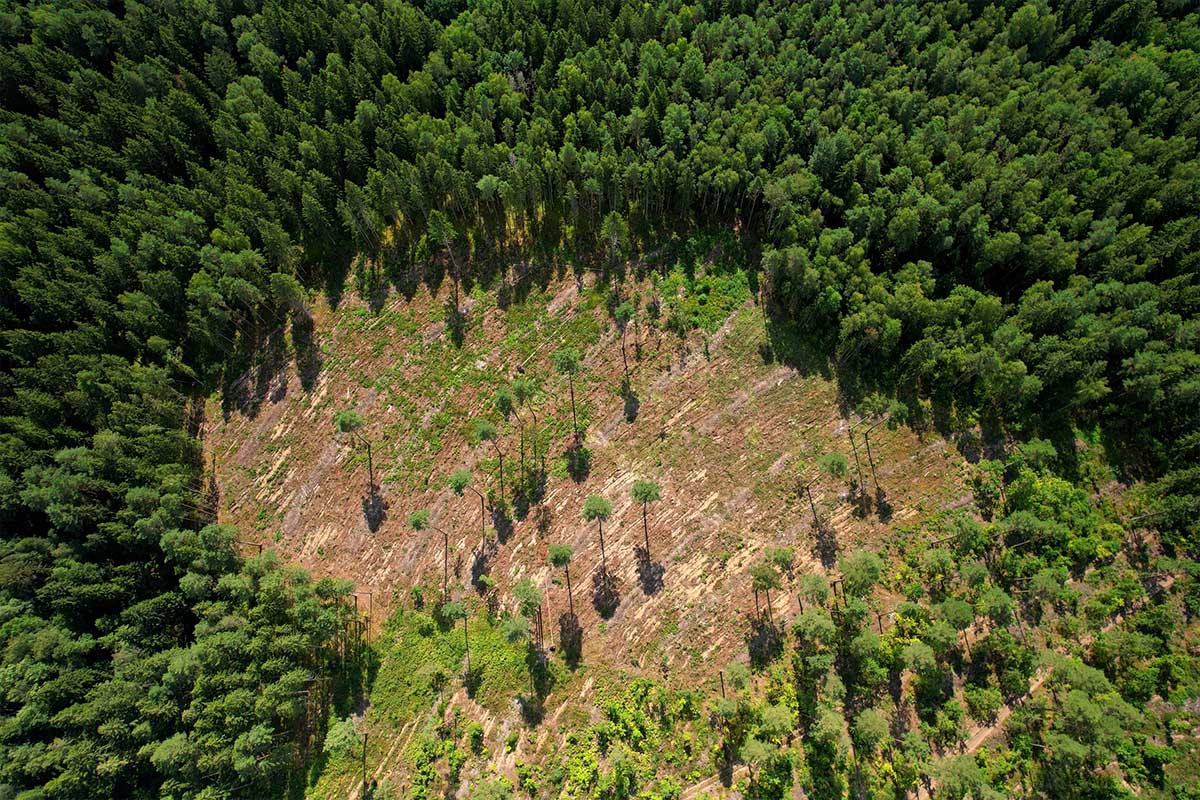
Deforestation significantly contributes to climate change. Globally, we are losing forested areas equivalent to the size of Portugal each year. The combustion of cut trees releases carbon dioxide into the atmosphere, subsequently raising global temperatures. Trees, particularly those in lush rainforests, play a crucial role in regulating weather patterns by transforming surface water into atmospheric moisture and essentially serving as natural air conditioners. The absence of forests leads to increased heat levels. Fortunately, various strategies to combat climate change are underway, including advancements in solar and wind technologies, sustainable agricultural practices, and efforts to maintain biodiversity. Additionally, individuals can take meaningful steps to reduce their carbon footprint by utilizing public transportation and minimizing food waste.
04
Changes in Weather Patterns

To enhance their temperature forecasting capabilities, researchers meticulously analyze climatic trends. The National Centers for Environmental Information (NCEI) monitors weather patterns and assesses temperature statistics to create a global temperature forecast. Based on historical data, the NCEI’s model suggests a rise in temperatures above average levels. For instance, June 2023 was noted as the hottest June on record, leading climatologists to predict that the upward temperature trend will persist.
05
Escalating Ocean Temperatures

Additionally, the World Meteorological Organization provided an update indicating that elevated sea surface temperatures are likely to lead to warmer-than-normal conditions on land this year. As heat from gas emissions accumulates in the ocean, it warms the waters, with scientists predicting that El Niño will further elevate sea surface temperatures. Even if 2023 does not record the highest global temperature, it’s crucial to remain well-hydrated during this hot period. Remember to consume plenty of fluids, especially those rich in electrolytes, and avoid sun exposure during peak hours while opting for lightweight attire.

