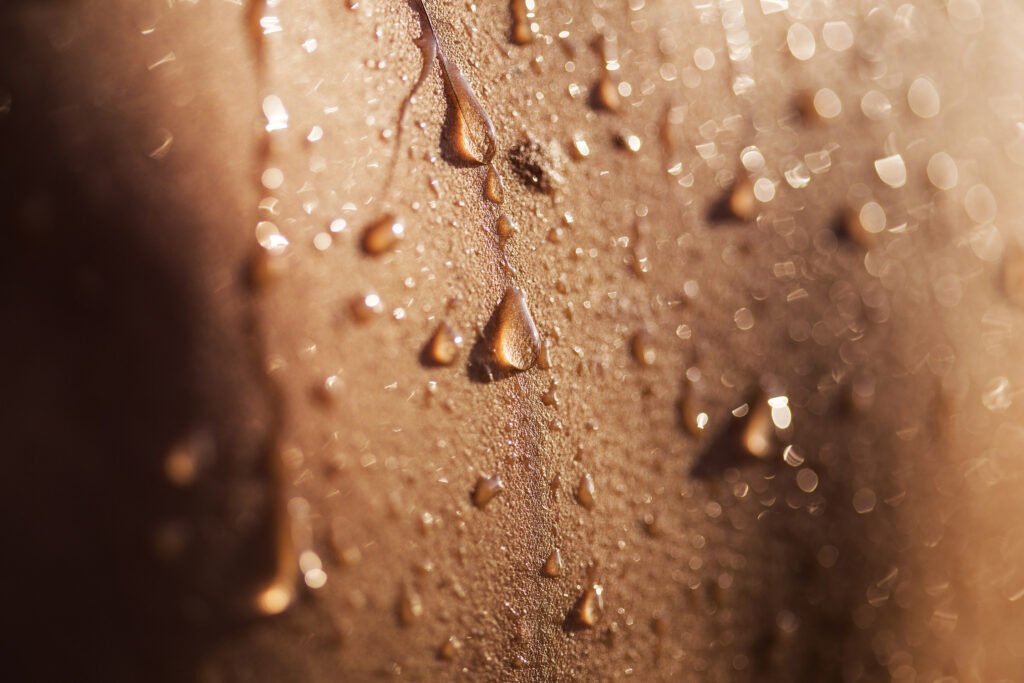
Our skin comprises a significant amount of water—approximately 30 percent—and preserving this hydration can significantly enhance our complexion’s health and overall appearance.
The Role of Water in Skin Health
The water content of our skin plays a crucial role in maintaining its plumpness, elasticity, and adaptability to environmental stressors. Research indicates that reduced skin hydration correlates with a higher incidence and severity of wrinkles. Ouch!
The positive aspect is that by understanding how to enhance skin hydration, we can elevate both its appearance and sensation, potentially reducing indicators of aging like wrinkles. Are you aware of effective ways to retain moisture in your skin? You might find some insights surprising.
No Need to Overindulge in Water for Better Skin
While hydration is undoubtedly important and we should ensure adequate water intake, the common recommendation of eight glasses a day won’t necessarily enhance our skin. This widespread belief lacks scientific backing.
Studies reveal that chronic dehydration can affect skin quality, and drinking enough water can improve skin thickness. However, excessive fluid intake isn’t necessary or advantageous. Moreover, having sufficient hydration alone does not stop signs of aging, such as wrinkles.
How can we monitor our water consumption? A straightforward method is to check that our urine is a light yellow or clear. Additionally, we often consume more water than we think as many foods, particularly fruits and vegetables, naturally incorporate a high water content.
Alternative Methods to Maintain Skin Moisture
So, what effectively helps retain moisture in our skin? It all begins with cleansing, which might seem odd, but our skin’s natural oil (sebum) plays a significant role in hydration.
This is why scrubbing too hard or using strong cleansers can lead to dryness—these practices disrupt the skin’s innate “waterproof” oil barrier, causing essential moisture to escape. The answer? Opt for a gentle cleanser free from alcohol, sulfates, and synthetic fragrances.
Proper moisturizing is equally vital. Here are some key ingredients that can aid in moisture retention:
Occlusives
These are “barrier” ingredients that fortify the skin’s moisture retention; examples include various waxes like beeswax, candelilla wax, and carnauba wax.
Humectants
These ingredients, such as glycerin or hyaluronic acid, draw moisture to the skin and have been shown to enhance hydration while reducing wrinkle depth.
Emollients
While emollients don’t directly retain water, they do smooth the skin and can be very beneficial in moisturizers. Common examples are natural oils and butters like shea butter and cocoa butter.
Using only a humectant without an occlusive can lead to moisture loss, so it’s essential to choose a moisturizer that includes both. Fortunately, many effective products combining all three ingredient types are available at health retailers.
Water Isn’t Always the Most Effective Ingredient in Skin Care
Interestingly, despite its association with hydration, water itself isn’t necessarily the ideal ingredient for skin care. In moisturizers, it requires the inclusion of preservatives (either natural or synthetic) and limits the incorporation of active ingredients, like those mentioned above.
When applied topically alone, water can actually dry out the skin by drawing moisture away as it evaporates. Therefore, it’s crucial to apply moisturizer following a shower or bath.
Facial Mists: Stars of Your Skin Care Routine
Conversely, facial water mists can be quite beneficial, provided they contain appropriate ingredients and are utilized correctly. Beauty experts and influencers frequently highlight their versatility, which includes setting makeup, toning the skin, refreshing and cooling throughout the day, and preparing skin for makeup application.
Mists formulated with plant extracts, vitamins, emollients, and humectants can be used without patting off, whereas pure thermal or mineral waters should be gently absorbed into the skin after a few minutes. Whichever type you prefer, ensure it’s devoid of artificial fragrances, alcohol, and parabens, and choose one that suits your skin type.
The Quality of Water Used on Our Skin is Important
Not all water is suitable for skin care applications. Most critically, it shouldn’t be excessively hot; high temperatures can disrupt the protective oil layer, causing moisture loss.
Hard water has been associated with skin issues like dermatitis. Those living in areas with hard water who experience skin problems may consider installing a water softening system. Others find that using a shower filter improves their skin’s health.