Children, meet the plants—our age-old allies in healing. And plants, say hello to the children—our inquisitive little beings, eager to learn. They often face minor ailments like coughs, tummy troubles, and anxious thoughts that disrupt their sleep. Here’s to a flourishing relationship between you!
Natural Allies
One doesn’t need to be a certified herbalist to introduce children to the healing world of plants, fostering an appreciation for herbs as beneficial companions for their health. Derek Fleming, a master herbalist and the founder of New Earth Organics, suggests starting with culinary herbs for this early education.
While adults may require stronger remedies, children typically respond better to gentler options, according to Fleming. Engaging their senses is the best approach to nurturing their interest in herbs.
Learning Through Growing
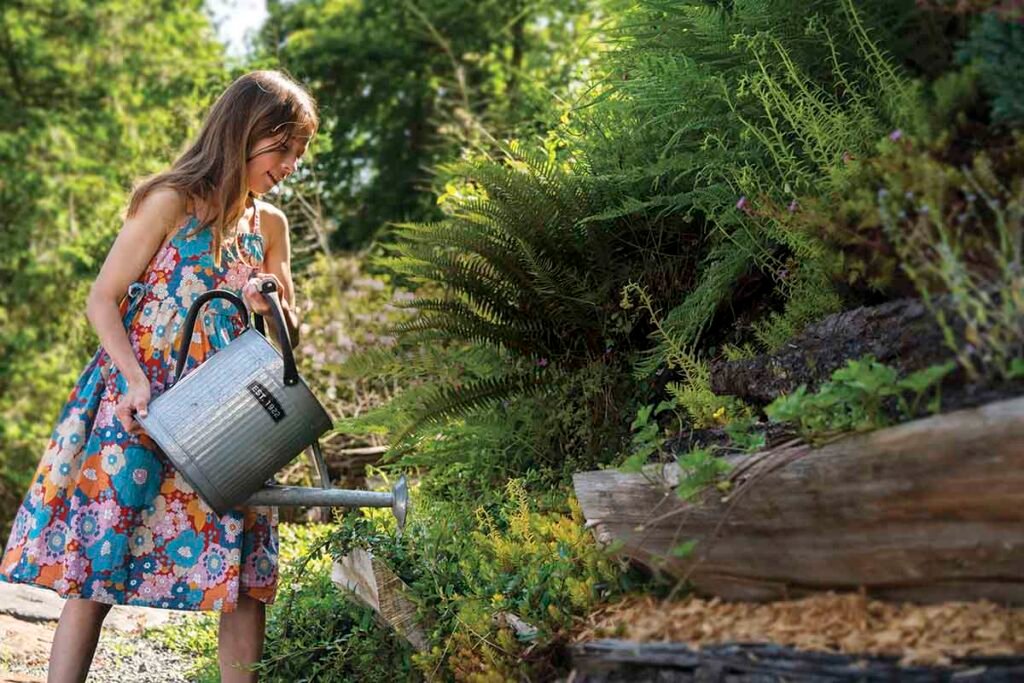
While effective herbs are available for purchase, the best learning experience starts when kids cultivate or gather plants themselves. In gardens or on a windowsill, herbs such as oregano and peppermint release delightful scents when gently crushed, making them memorable.
The children will enjoy making garden markers or cutting the right herbs for tea or a tasty meal. Fleming recommends describing herbs with sensory words like “spicy” or “fragrant,” which not only relate to the herbs but also hint at their healing qualities.
Wild foraging can also yield medicinal plants, though caution is crucial, and only well-identified species should be collected. For instance, knowing yarrow’s ability to halt bleeding on a scraped knee can leave a lasting impression on children. It’s essential to remember that many herbs deemed safe for adults may not be suitable for kids, which is why Fleming prefers the gentler approach of kitchen herbs.
Brewing Herbal Remedies
Once we have herbs at our disposal, how can we prepare them into kid-friendly consumables? Potent tinctures may not appeal to young palates, but teas and honey can do the trick.
Kids can participate in crushing, tearing, or chopping plant materials, thereby embedding the visuals, textures, and aromas in their minds. Fleming enjoys using a glass pot when preparing tea with his children so they can observe the herbs as they infuse their essence and flavor.
Chamomile is a popular choice, known for its calming properties and its compatibility with milk or cream, creating a delightful visual effect when added to a clear pot.
Sweeten the Deal
Honey serves as an excellent medium for medicinal preparations. Kids can assist in placing antimicrobial and immune-boosting garlic cloves in a jar before covering them with honey, allowing them to transform into a medicinal syrup with “candied” cloves.
Fleming enjoys infusing honey with fennel and thyme for cough remedies. However, please note that honey should not be given to children under one year of age.
Copying the Adults
Children often mimic the morning coffee rituals of adults, providing an excellent chance to introduce them to dandelion root, which has a distinctive bitter taste, a hint at its healing capabilities. Kids can take part in digging up the roots, roasting them, and enjoying the resulting “kid coffee” beverage (sweetened and creamier to suit their preferences).
Recognizing Familiarity
As children become acquainted with specific plants through sensory experiences, this foundational knowledge can be applied in various ways. Fleming refers to this as “bridging.” For instance, he might rub Roman chamomile essential oil (one drop mixed with a carrier oil) onto his kids’ feet at bedtime, allowing them to recognize the soothing scent from their garden and tea experiences.
If they’ve previously tasted fennel and learned its distinct flavor can help with coughs, it will be easy for them to use it as tea or honey when they catch a cold. For skin irritations, applying a tea made from raspberry leaves—known for their astringent properties—can make complete sense.
Year-Round Exploration
Kids can enjoy dried or preserved summer herbs all year, or they can prolong the growing season with an indoor window garden. Many herbs can be identified even in their dormant state during the winter months.
Fleming finds joy in discovering wild bergamot during this time, crumbling the dry seed heads to release the aromatic carvacrol, a compound frequently associated with oregano oil. Let your herbal adventures lead to wonderful discoveries!
This article first appeared in the August 2025 edition of Thewindowsclubs magazine.