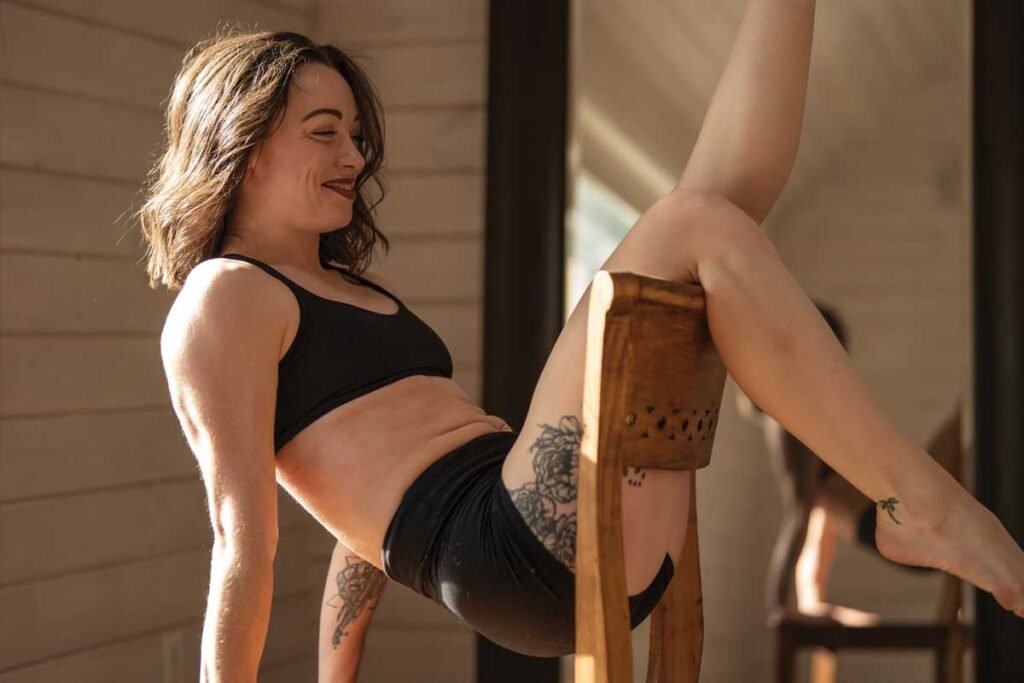
Residents of Canada, even those with the brightest spirits, can attest to how the monotony of winter impacts our mental health. As March approaches, our desire to embrace spring intensifies, and engaging in dance might be an excellent way to welcome the season a bit sooner.
Everyone is invited
Ever thought you can’t dance? Think again! Dance is a fundamental aspect of being human; even babies express themselves through movement and rhythm before acquiring language.
“Dance is essentially movement, and movement is part of our everyday lives,” explains Julia Ray, the founder of Ecstatic Dance Toronto, which hosts a weekly sober dance gathering. “Your body innately knows how to do this.” If concerns about looking “cool” inhibit you, the numerous health benefits of dancing might encourage you to step onto the dance floor.
The impact of dance on the mind
Research indicates that even a single one-hour dance session can significantly lower depression levels. While it releases endorphins like other forms of exercise, the impacts extend beyond this.
Music and dance are inherently connected, and combining them generates a heightened pleasure response: the brain’s reward centers are activated by music’s predictability, while dance activates sensory and motor pathways. This unique combination leads to prolonged enjoyment, prompting some to dance throughout the night.
Cognitive health benefits
Engaging in dance can also lower the chances of developing dementia and can aid individuals with Parkinson’s disease by boosting dopamine levels and creating new neural connections, enhancing neuroplasticity. Individuals with Parkinson’s generally improve their walking and speaking abilities with rhythmic cues, and familiar songs can evoke memories in those with dementia.
Therapeutic benefits of dance
Dance Movement Therapy (DMT) is a psychotherapeutic method that combines movement and dance to provide an alternative form of expression for patients.
“All experiences are stored in our bodies as memories or traumas,” shares Marlene Stirrett-Matson, a dance movement therapist and president of the Dance and Movement Therapy Association in Canada. “Through movement, we help clients access and process these memories.”
DMT doesn’t rely on verbal communication, allowing individuals to tap into unconscious emotions and overcome cultural and language barriers, facilitating the exploration of difficult topics.
Build strength through dance
Beyond its cognitive advantages, dancing serves as a fantastic way to maintain physical activity, especially during snowy months. Research has demonstrated that any style of dance can effectively enhance muscle strength, flexibility, endurance, and balance.
Keep moving forward
As we age, dancing can be especially advantageous for maintaining mobility, supporting healthy joints, and enhancing overall physical fitness.
For individuals with limited mobility, dance remains an accessible option. When organizing a dance session, Stirrett-Matson mentions, “you adapt the movements based on the participants in the room.” People can engage in dance from various positions—sitting, standing, or lying down—whichever feels secure and comfortable for them.
Building community through dance
When individuals dance together—whether in a group or as partners—the benefits extend beyond individual fulfillment. Shared movement fosters connection, joy, and a sense of community. Synchronizing energy and emotions enhances social relationships and transforms wellness into a collective experience.
“Dance itself serves as a powerful elixir—naturally connecting to our health and wellness,” remarks Ray. “We all possess the essential elements needed to thrive, and the dance floor exemplifies this.”
This article originally appeared in the March 2026 edition of Thewindowsclubs magazine.