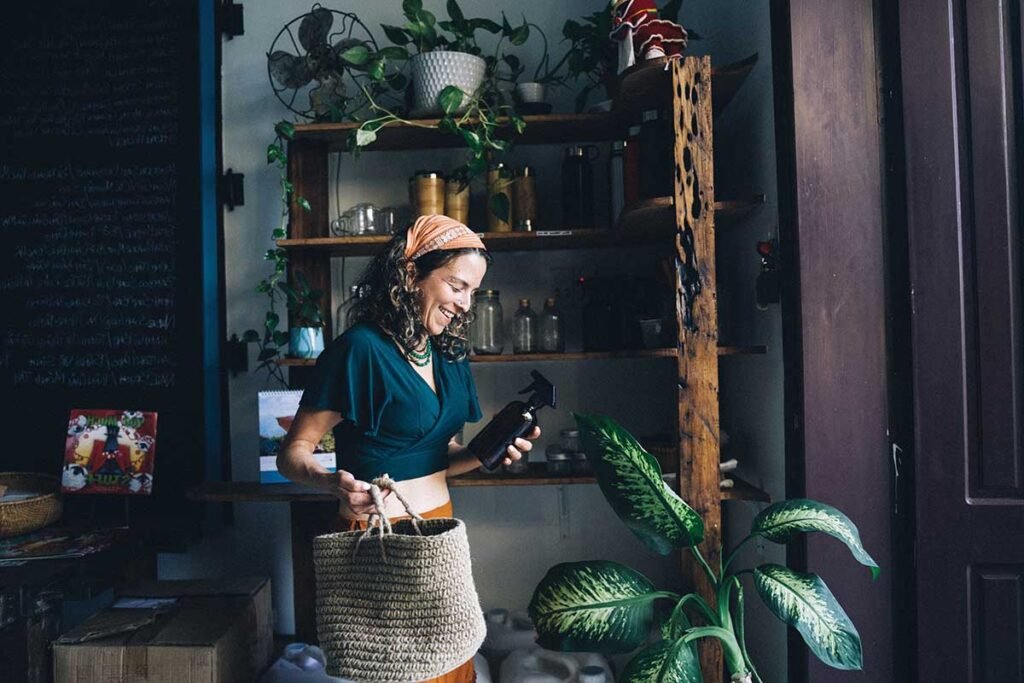
Although it may appear that gender issues and sustainability are distinct topics, they are, in fact, deeply connected. Women often experience the repercussions of climate change and environmental degradation more intensely than men. Moreover, they frequently lead socially responsible initiatives and make environmentally conscious lifestyle decisions.
Pioneers of Change
Numerous notable women are at the forefront of the sustainability movement, including Greta Thunberg, Alexandria Ocasio-Cortez, Naomi Klein, and Rachel McAdams, a Canadian actress.
However, the contribution of women to the sustainability movement extends far beyond these public figures.
Research indicates that women tend to live more eco-conscious lifestyles than men; they are more likely to recycle, generate less waste, and maintain a lower carbon footprint.
A study involving 546 professionals from 65 countries found that women exhibit a greater desire to enhance their sustainability knowledge compared to men and show a stronger preference for sustainability-related job roles. Additionally, they often possess a higher level of education in sustainability topics.
Further findings reveal that women are more inclined to advocate for policies addressing climate change and environmental challenges.
Gendered Impacts of Climate Change
Globally, women are disproportionately affected by the ramifications of climate change.
For instance, extreme heat can lead to negative pregnancy outcomes, intense storms can restrict access to essential services and healthcare, and the increased spread of illnesses like malaria and Zika virus poses heightened risks.
A study from Canada investigating the mental health impacts of natural disasters highlighted a notable increase in prescriptions for anti-anxiety and sleep medications among women, as well as rising reports of sexual violence following the 2013 floods in southern Alberta.
Women often shoulder a heavier burden due to their primary role in securing food, water, and fuel, as well as their significant participation in agriculture. During droughts and irregular rainfall, women face greater challenges in providing for their families, leading to a situation where girls may need to withdraw from school to assist at home.
Beyond Gendered Perceptions
Research suggests that a prevalent reason some men distance themselves from sustainability efforts is the misconception that environmental advocacy is a “feminine pursuit.”
A 2017 study involving over 2,000 participants from the United States and China demonstrated a psychological connection between eco-consciousness and perceptions of femininity.
Both genders viewed environmentally friendly practices, such as using reusable bags, as more aligned with femininity compared to non-sustainable behaviors, regardless of the user’s gender.
Movements Aiming for Change
MÄN (Men for Gender Equality), a Sweden-based feminist organization established in 1993, focuses on combating violence against women. With a membership exceeding 2,500 in Sweden, they are committed to this cause.
Inspired by Naomi Klein’s book This Changes Everything (Knopf Canada, 2014), project manager Vidar Vetterfalk recognized that creating a fair and sustainable world cannot solely rely on the efforts of climate organizations and political leaders. MÄN can help mend men’s relationship with the environment.
Through group sharing sessions, the organization facilitates a deeper sense of connection among participants. Vetterfalk highlights that feeling supported while discussing emotions diminishes the relevance of traditional perceptions of masculinity in the context of environmental care.
Ultimately, Vetterfalk asserts, “Care and belonging become more significant than conforming to gender norms.”
Nurturing Environmental Advocates
Regardless of whether you have children, there are numerous ways to encourage the younger generation to protect our planet.
Setting an example through your sustainable lifestyle choices is a great start. This can include using biodegradable products, minimizing shower time, and participating in carpooling.
You could also initiate projects with a child in your life, such as creating a compost bin, making soap, or organizing a litter cleanup.
Consider volunteering to lead programs for kids, like tree planting events or creek cleanups.
Paths to Engagement
Explore these organizations to discover ways to enhance your involvement in environmental initiatives.
|
Women 4 Climate |
An international organization focused on empowering and inspiring the next generation of climate leaders through mentorship, research, and competitions. |
|
Fashion Takes Action |
A Canadian nonprofit dedicated to promoting sustainability across the entire fashion industry. |
|
WHEN (Women’s Healthy Environments Network) |
A Toronto-based nonprofit focusing on educating individuals about mitigating environment-associated health risks. |
Sustainability Discrepancy
While 34 percent of women express interest in learning about sustainability to contribute positively to society and the planet, only 24 percent of men share similar aspirations.