If you enjoyed a meal today, you owe your gratitude to the farmers in Canada. However, the agricultural sector faces significant challenges as many farmers age and retire. Experts are increasingly concerned that the growing disconnect between consumers and the origins of their food is contributing to poor dietary habits and rising obesity levels. Fortunately, numerous organizations are proactively working to address this issue, particularly among children.
Aging Farmers and Agricultural Decline
A large portion of farmers in British Columbia are in their sixties, with fewer than 5 percent being in their mid-thirties or younger. This trend is mirrored in other Canadian provinces, where the number of retiring farmers continues to rise while fewer young individuals choose to enter the field.
This shift often results in agricultural land being repurposed for residential developments or being absorbed into vast corporate farming operations. Insights from industry experts in Europe, Asia, and the United States indicate that this consolidation contributes to greater food insecurity, decreased biodiversity, and a reduced supply of local produce. Typically, large-scale farms import materials and distribute their goods outside the local community.
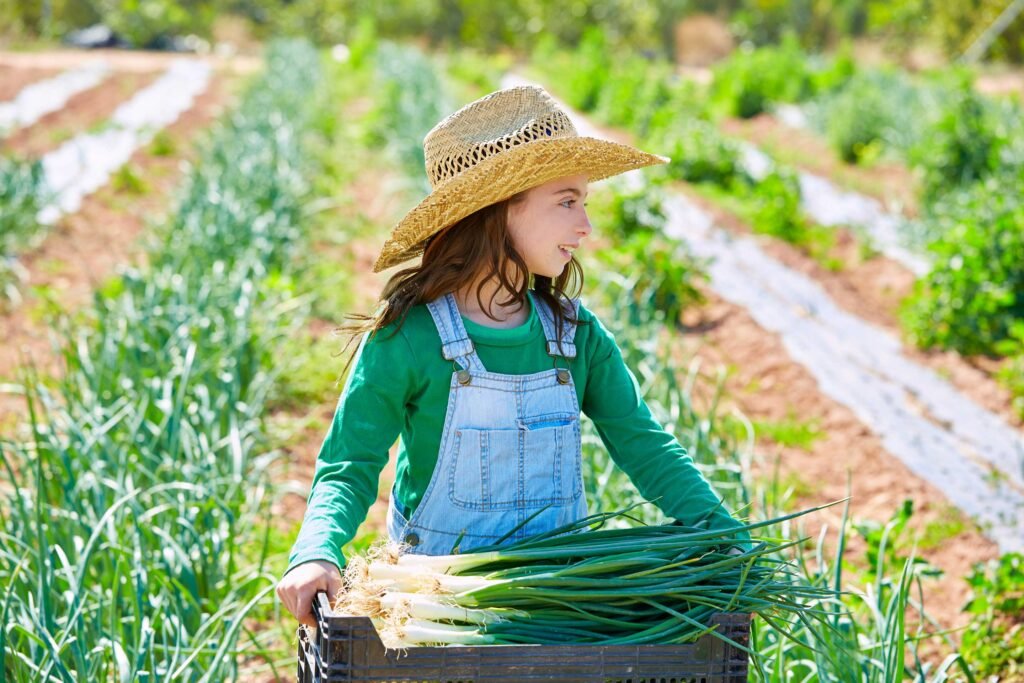
Engaging children in community gardens and farms offers a way to bolster local agriculture and grants significant health benefits to the young participants. Various community initiatives are emerging across the country with this goal in mind.
Fostering Connection Through Fresh Roots
Fresh Roots, a nonprofit organization based in Vancouver, emphasizes the importance of ecological stewardship. It advocates that access to healthy land and fresh produce is essential for community wellness.
In discussing Canada’s aging farming demographic, Director Marc Schutzbank likens the scenario to mastering a complex piece of classical music. “While a skilled pianist may rehearse countless times before a performance, a Canadian farmer might only plant their crops around sixty times during their career,” notes Schutzbank.
“This makes the wisdom that farmers inherit throughout their lives incredibly valuable,” Schutzbank continues. “Understanding soil dynamics and the specific characteristics of different plots of land is crucial. We must consider how to ensure that the invaluable knowledge embedded in the experience of these farmers is transferred effectively to the next generation.”
Fresh Roots focuses on educating youth about Canadian agriculture by sharing the narrative of food production. “Our mission is to encourage urban communities to recognize the importance of supporting local farmers,” says Schutzbank.
Without fostering this connection between generations, the critical transmission of knowledge from experienced to novice farmers could fracture. Schutzbank asserts, “If we lose that insight, we effectively lose our ability to sustain agricultural practices, akin to disconnecting a pianist from their music.”
Transforming Education Through Gardening
In 2010, Fresh Roots established its first edible schoolyard at an elementary institution, and subsequently collaborated with the Vancouver School Board to launch Schoolyard Market Gardens.
These gardens represent Canada’s pioneering initiative of their kind, serving as interactive outdoor classrooms where students engage directly with the soil and learn about agriculture, cooking, and the benefits of local eating. Staff and volunteers inspire students about sustainable and nutritious food choices within these gardens.
“Our farms focus on high-yield crops like kale and broccoli,” Schutzbank says humorously. “Research shows that time spent in gardening leads to increased vegetable consumption, as students become more acquainted with them. Our role, along with many organizations like ours, is to highlight how accessible healthy food can be.”
Addressing Childhood Obesity
The rate of childhood obesity in Canada has surged by 300 percent over the past thirty years, with many affected children unlikely to outgrow their weight challenges. This can lead to diminished self-esteem, an elevated risk of chronic illnesses such as diabetes and hypertension, and even hinder academic performance.
Numerous elements affect children’s health, including diet, weight, and nutritional education. Issues often stem from a lack of food education, food insecurity, limited access to healthy food, or a lack of familiarity with gardening and farms, which can foster a true appreciation for nutritious food.
Organizations like Fresh Roots play a pivotal role at this intersection of influences. “People have become increasingly disconnected from their food systems,” asserts Schutzbank, “leading to poor dietary choices that adversely affect both physical and mental health.”
The Public Health Agency of Canada echoes this sentiment, noting that children who engage in gardening exhibit better health. The agency suggests enhancing local food production and community gardening to expose more children to agriculture. Fresh Roots and similar organizations have witnessed the positive impact of their initiatives on children’s food preferences, with increased interest in vegetables.
“We simply need to cultivate a relationship with our vegetables,” advises Schutzbank. “At one elementary school, two third-grade boys had never eaten broccoli. By the end of the school year, they were competing to see who could have the purple broccoli!”
Apart from its educational partnerships, Fresh Roots offers summer programs where youth work on various farms to prepare healthy meals for themselves and their communities. “Some students have never had vegetables regularly at home,” Schutzbank states. “They lack the experience of taking ownership of their dietary choices and health.”
Last summer, one student found a love for local zucchini, creating zucchini fritters and pasta dishes to incorporate the vegetable into her meals.
Supporting Sustainable Agriculture
The positive effects of school gardens extend beyond just educational settings; vegetables grown in Fresh Roots’ gardens are supplied to restaurants across British Columbia and beyond.
“We often overlook that farmers produce more than just what’s available in grocery stores,” Schutzbank remarks, pointing to local jams and other products made from Canadian ingredients. “Much of this contributes to a vibrant cottage industry. Revitalizing our food system begins with supporting our agricultural producers.”
From a comprehensive perspective, Fresh Roots not only facilitates the creation of green jobs but also underscores the importance of local food security, enhances community well-being, and enriches school curricula. In the long run, experiential learning may shift Canada’s aging agricultural narrative as more young people gain firsthand exposure to the intricacies of food production.
Engaging the Next Generation
As more individuals recognize the advantages of gardening and growing fresh produce, there’s a growing desire to participate. “Start by stepping outside and planting a seed,” Schutzbank encourages. “Begin your own food journey.”
If this sparks your interest, he suggests reaching out to one of the many organizations dedicated to similar causes across the nation. These organizations value volunteer efforts, contributions, and various forms of support.
Lastly, consider supporting local agriculture. “When shopping, prioritize local farmers,” Schutzbank advises. It’s important to acknowledge that none of these initiatives would be viable without the efforts of Canadian farmers. Look for labels indicating local products and consider visiting farmers’ markets.
“Let’s cultivate nutritious food for everyone,” Schutzbank concludes. “That’s the key message to take away.”