As the length of daylight diminishes and a familiar chill begins to permeate the air, we often turn to comforting rituals. One of the best defenses against the cold is a warm cup of herbal tea that envelops you with warmth from within. However, beyond mere comfort, this delightful drink is a simple and effective way to enhance your immunity and overall wellness, especially during the cold and flu season.
What’s in a name?
While it’s fantastic that sipping tea can promote wellness, it’s important to understand what herbal tea actually is. Eliza Lam and Dominique Yan, the mother-son duo behind Aroma Tea House in Vancouver, define herbal tea as “any steeped beverage that does not consist of Camellia sinensis.”
All genuine teas are derived from the leaves of a single plant species known as Camellia sinensis. Based on the degree of oxidation that the leaves undergo, tea can be classified into one of six types: green, white, yellow, oolong, black, and dark (Pu-er).
Herbal teas, often referred to as herbal infusions or tisane, are not categorized as “tea” in the traditional sense. Although they are brewed similarly, herbal teas can utilize any part of a plant—such as flowers, roots, leaves, seeds, bark, and berries. They serve as a perfect caffeine-free alternative. Some herbal blends may include caffeinated plants, like yerba mate and guayusa.
Herbal teas’ health benefits
Hydration is fundamental to our health, and herbal teas contribute significantly to this goal, making plain water tastier and more enjoyable without significantly increasing calorie intake.
These teas contain bioactive compounds that may offer health advantages such as anti-inflammatory and antioxidant effects. The potency and efficacy of these compounds can depend largely on the herbs’ quality and preparation methods.
Although many tend to only reach for herbal tea at the onset of a cold or cough, Yan recommends incorporating it into your daily routine during winter. This preemptive approach can empower your immune system to fend off colds and flu more effectively as the season unfolds.
Generally, the plant-based ingredients in herbal teas are considered safe, allowing most individuals to enjoy them one to three times a day.
Pour, sip, repeat
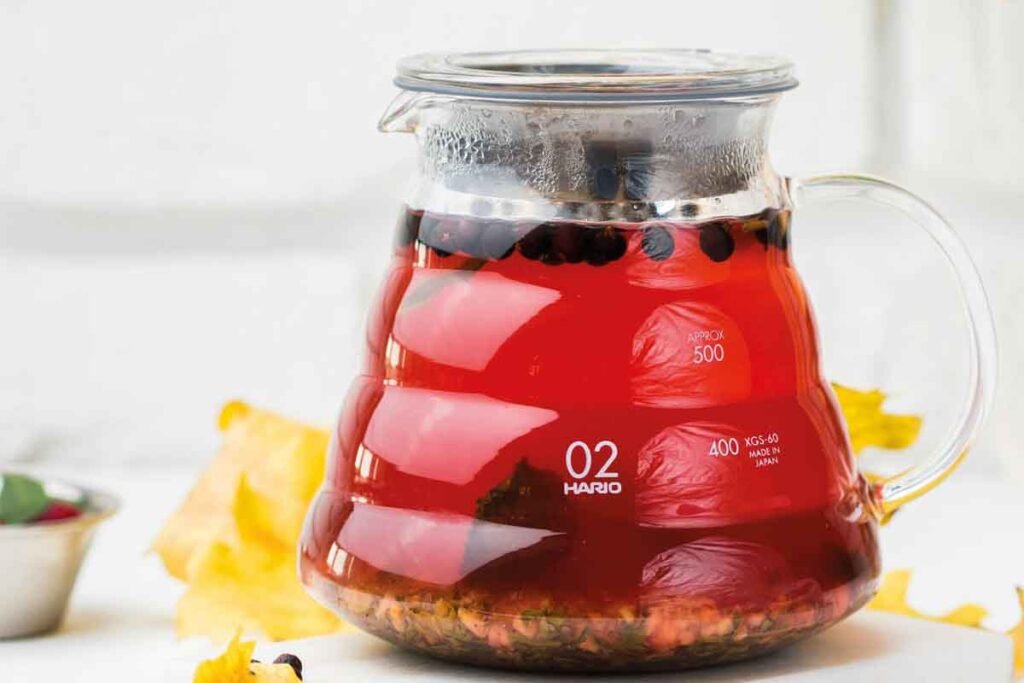
While pre-packaged herbal tea bags are convenient, crafting your own blends tailored to your taste and health goals can be rewarding. Yan recommends using whole leaf herbs, whole spices, and whole flowers whenever possible. “Mass-produced herbal teas tend to be less intact than expected,” he explains.
By brewing your herbal tea from whole plant parts, you can enjoy multiple infusions without losing flavor or quality.
To make the ideal cup of herbal tea, Yan advises using water heated to 90 °C (195 °F)—just below boiling—as herbal teas are arguably more delicate than traditional teas. Steeping your blend for at least 5 to 10 minutes is crucial to ensure optimal flavor and beneficial properties are extracted.
This article originally appeared in the September 2025 issue of Thewindowsclubs magazine.