01
Caffeine Levels
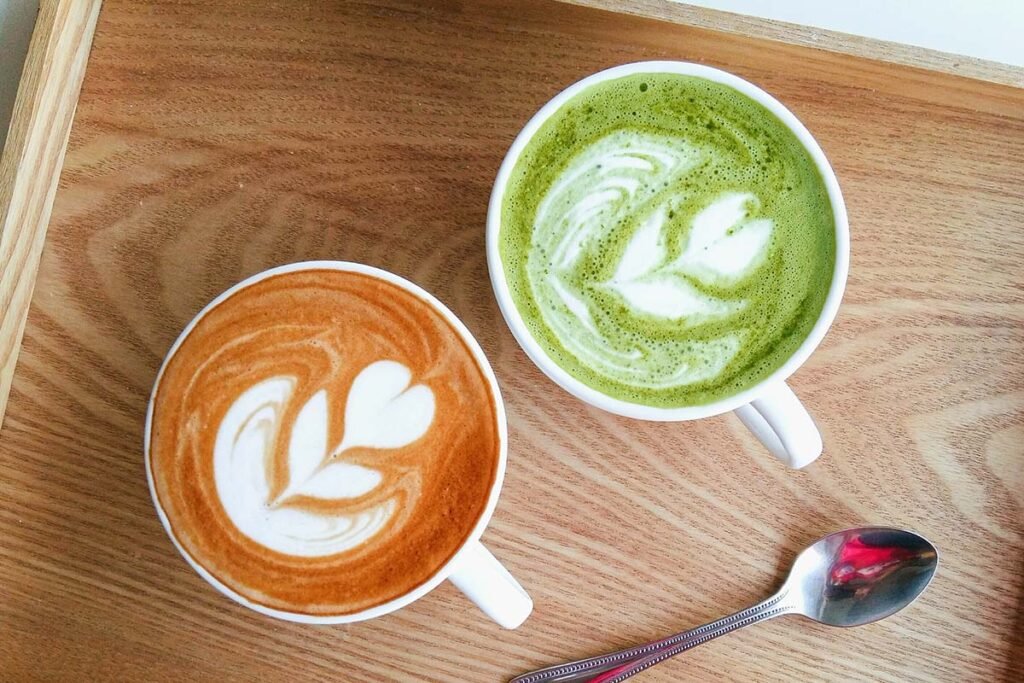
Are you drawn to the rich taste and energizing effects of coffee, or does the soothing energy boost from matcha green tea appeal to you more? The debate over which beverage reigns supreme continues, with compelling points for each side. Both drinks contain distinct properties that provide various health benefits and enjoyment.
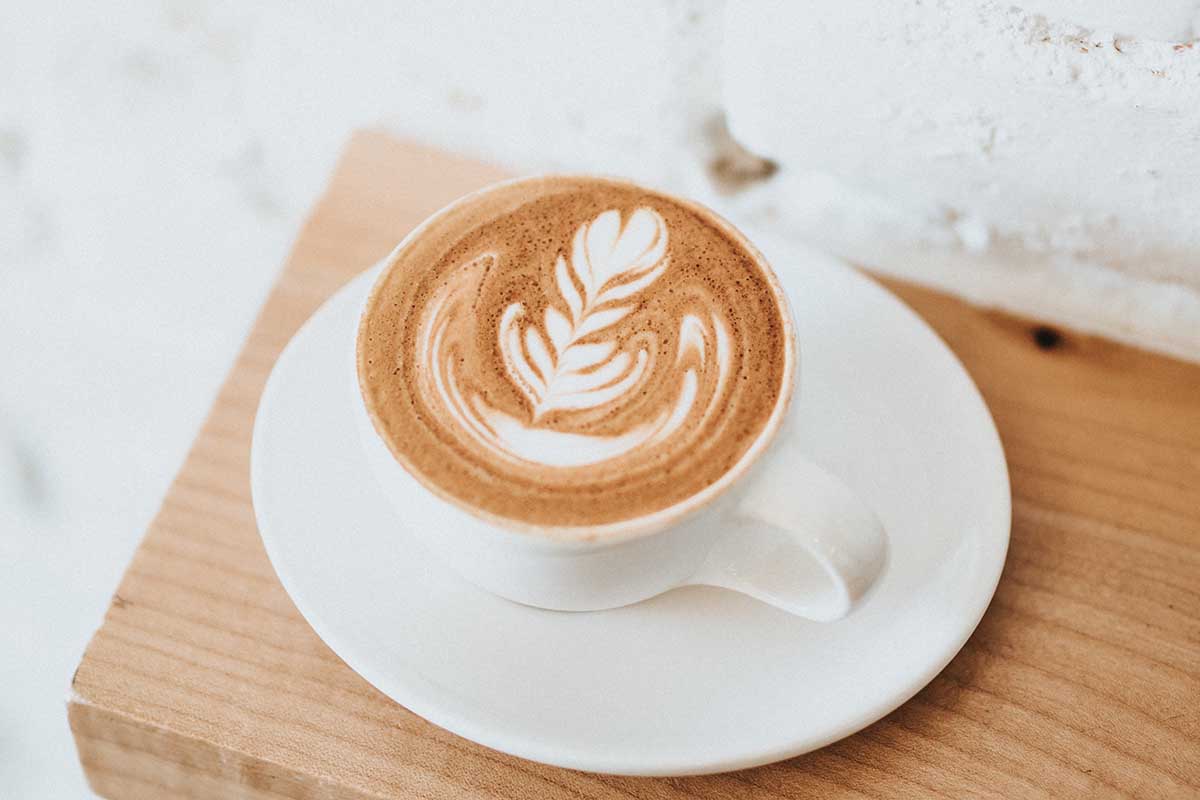
The caffeine in coffee and tea is a primary reason for our attraction to both. The caffeine content differs depending on factors like quality, type of beans or leaves, and preparation techniques. Generally, a cup of brewed coffee offers about 65 to 120 mg of caffeine, with Arabica beans typically containing less caffeine than Robusta beans. On the other hand, a standard cup of matcha, using around 1/2 teaspoon of matcha powder, usually has between 38 to 88 mg of caffeine. While this is lower than coffee, matcha still provides a more substantial caffeine effect compared to other green teas.
02
Flavor Profile
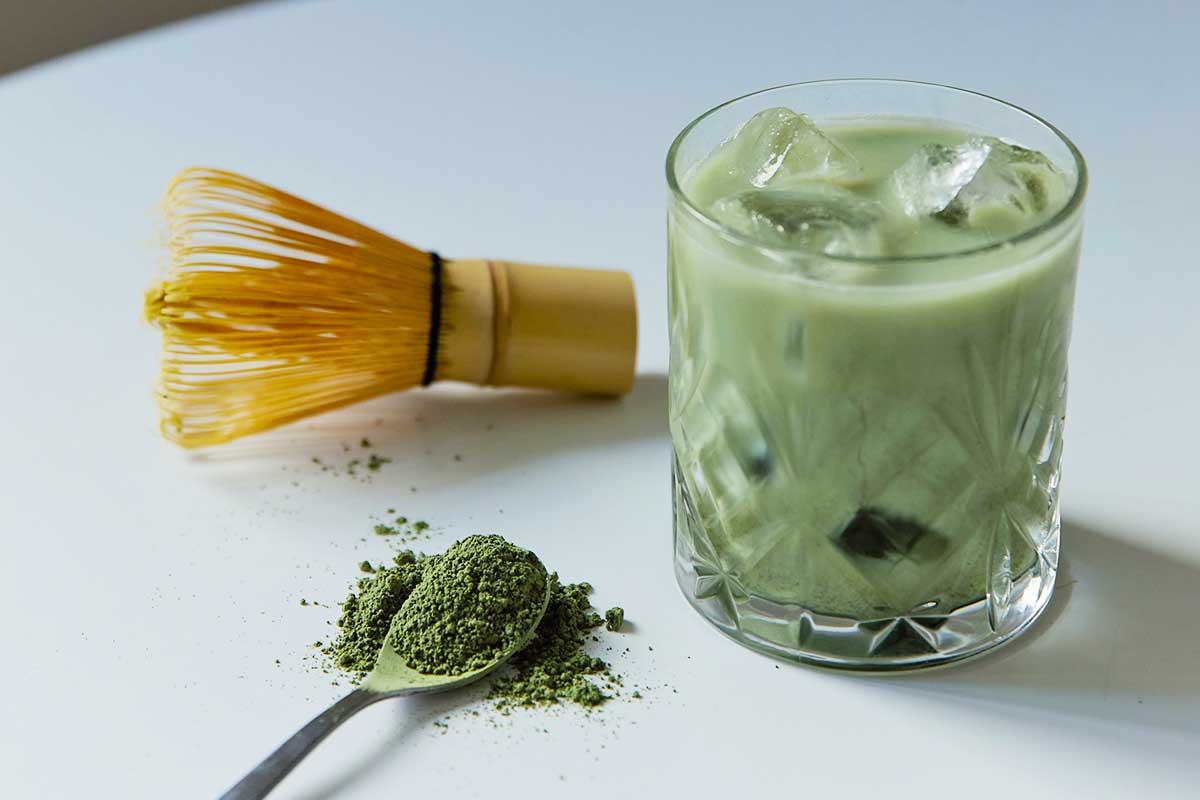
Are you captivated by the earthy scent of freshly ground coffee or the fresh aroma of matcha powder? Both beverages present unique flavors and fragrances. Coffee contains over 800 volatile compounds that result in a spectrum of taste sensations, ranging from fruity and nutty to floral and chocolaty, as well as earthy notes. Meanwhile, matcha is revered as the most aromatic form of green tea. Its unique cultivation under shade enriches its chemical makeup, leading to a savory flavor profile with reduced bitterness compared to other teas.
03
Nutritional Benefits
Both coffee and matcha tea are rich in antioxidants that defend the body from oxidative stress. Coffee is particularly high in chlorogenic acid, which can help reduce inflammation, and it also provides niacin (vitamin B3) along with minerals such as potassium and magnesium. On the other hand, matcha is celebrated for its catechins, especially epigallocatechin gallate (EGCG), known to enhance both physical and cognitive health. Additionally, matcha contributes amino acids, manganese, copper, iron, zinc, and even vitamin C.
04
Health Advantages

Both coffee and matcha bring a myriad of health benefits, though their unique chemical compositions lead to different effects on the body.
Energy Boost
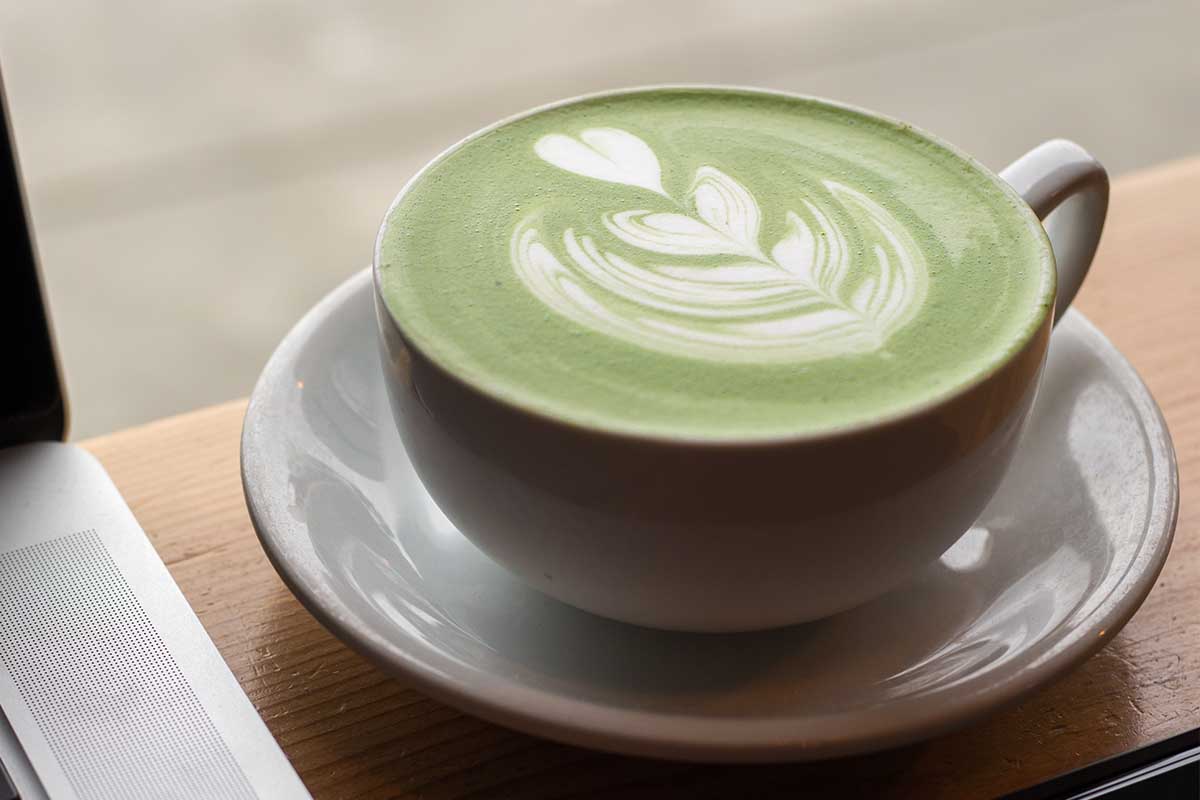
Coffee’s high caffeine content stimulates the central nervous system, boosting alertness, sharpening mental focus, and temporarily alleviating fatigue. The caffeine in coffee can also enhance physical performance by promoting adrenaline release and muscle contractions. If you find coffee’s stimulating effects too intense, matcha offers a smoother, more sustained energy lift. The combination of caffeine and L-theanine in matcha enhances alertness while minimizing the jitters and energy crashes often associated with coffee.
Mental Well-Being
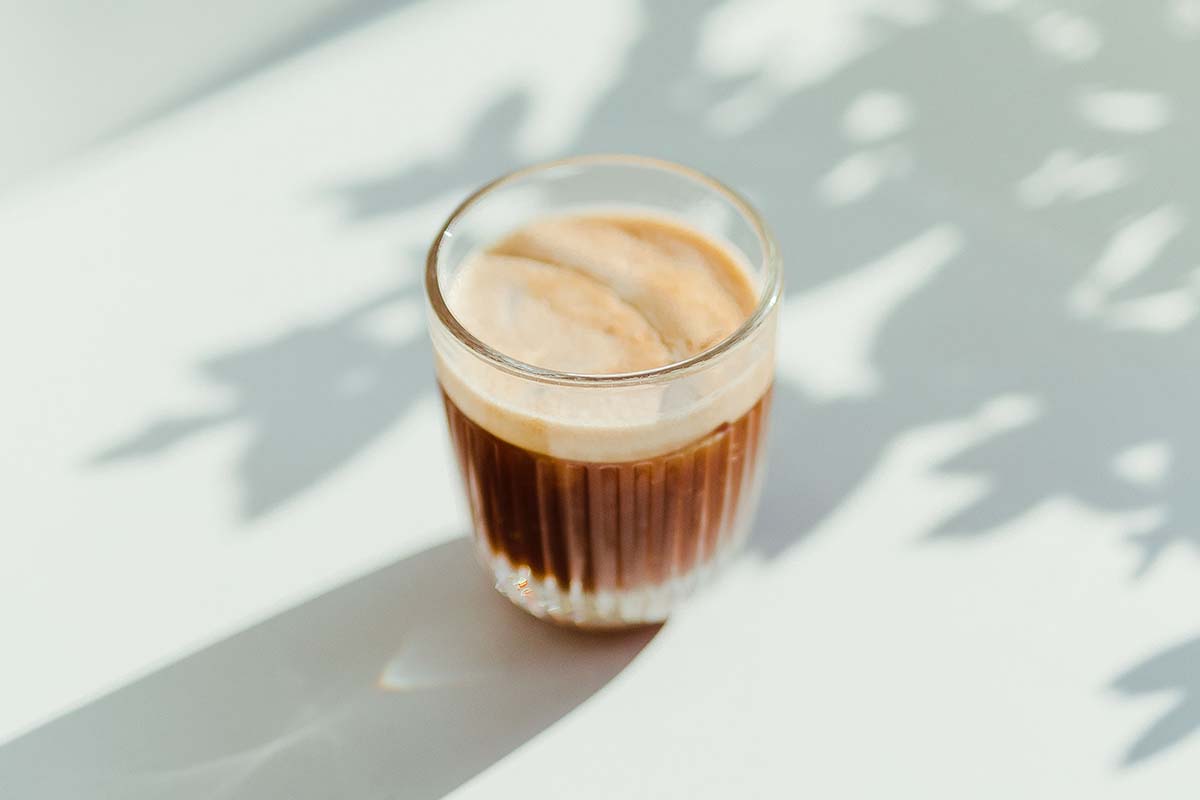
If you’re feeling a bit anxious, the L-theanine in matcha can act as a natural relaxant. This compound promotes alpha brain wave activity, which is associated with a calm and focused mindset. Research indicates that students who consume matcha daily experience lower levels of stress hormones. Coffee can also uplift your mood. Studies suggest that coffee drinkers tend to have lower depression rates, with around one and a half cups yielding notable benefits.
Cardiovascular Health
Full of antioxidant polyphenols, both coffee and matcha contribute positively to heart health. Moderate coffee consumption (around 3 to 5 cups per day) may lower the likelihood of cardiovascular issues like strokes and heart failure. The protective effects of matcha on the heart are largely attributed to EGCG, which helps safeguard heart tissues from inflammation and oxidative damage.
Reduced Cancer Risk

The EGCG and L-theanine in matcha may boost the body’s inherent cancer-fighting capabilities, showing particularly promising results in reducing breast cancer recurrence rates. Additionally, for numerous individuals, coffee serves as a significant source of dietary antioxidants, often surpassing that of fruits and vegetables. Consequently, studies have shown that those who consume several cups of coffee have an 18% lower incidence of cancer compared to those who drink minimal amounts.
Weight Management

Incorporating matcha into your weight management regimen can be beneficial. It not only suppresses overeating tendencies but also, through its combo of EGCG and caffeine, helps stabilize blood sugar and enhance fat metabolism. Similarly, caffeine and antioxidants in coffee can assist with maintaining steady blood sugar levels and boosting fat metabolism. Research indicates that individuals who successfully maintain their weight tend to drink significantly more coffee than the average person.
05
Brewing Techniques
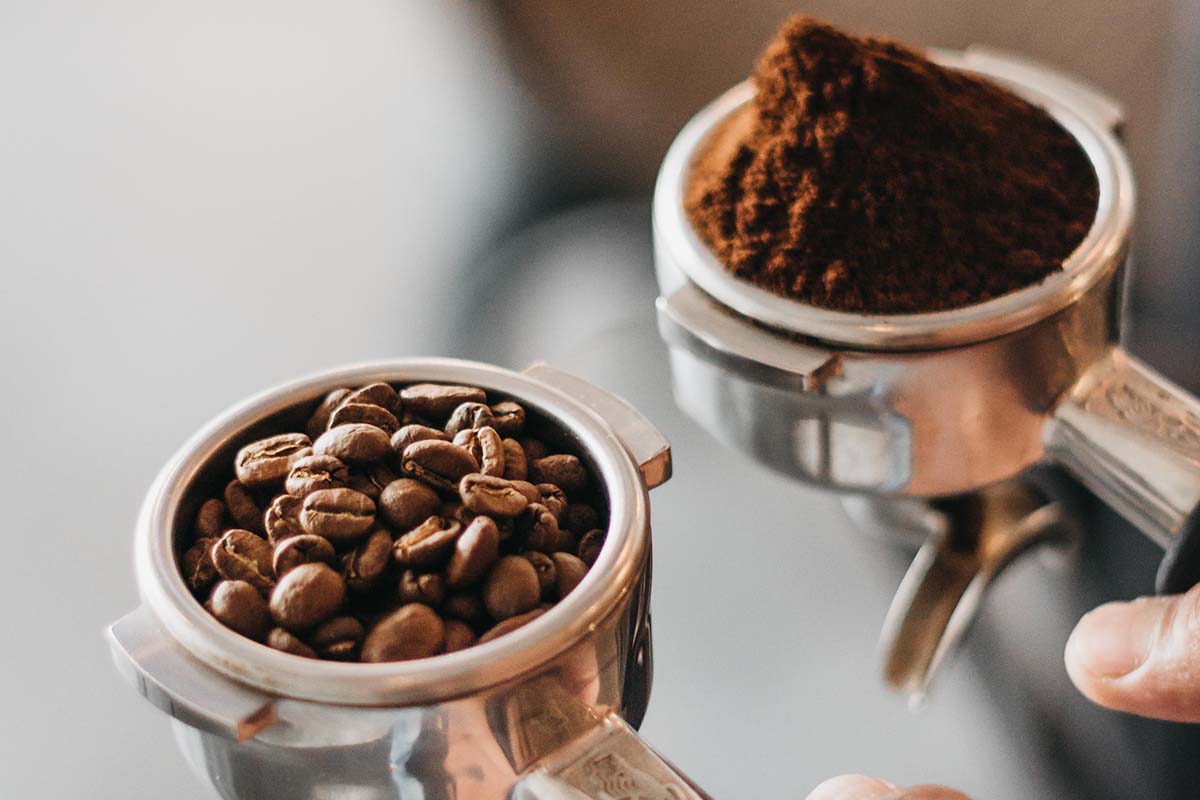
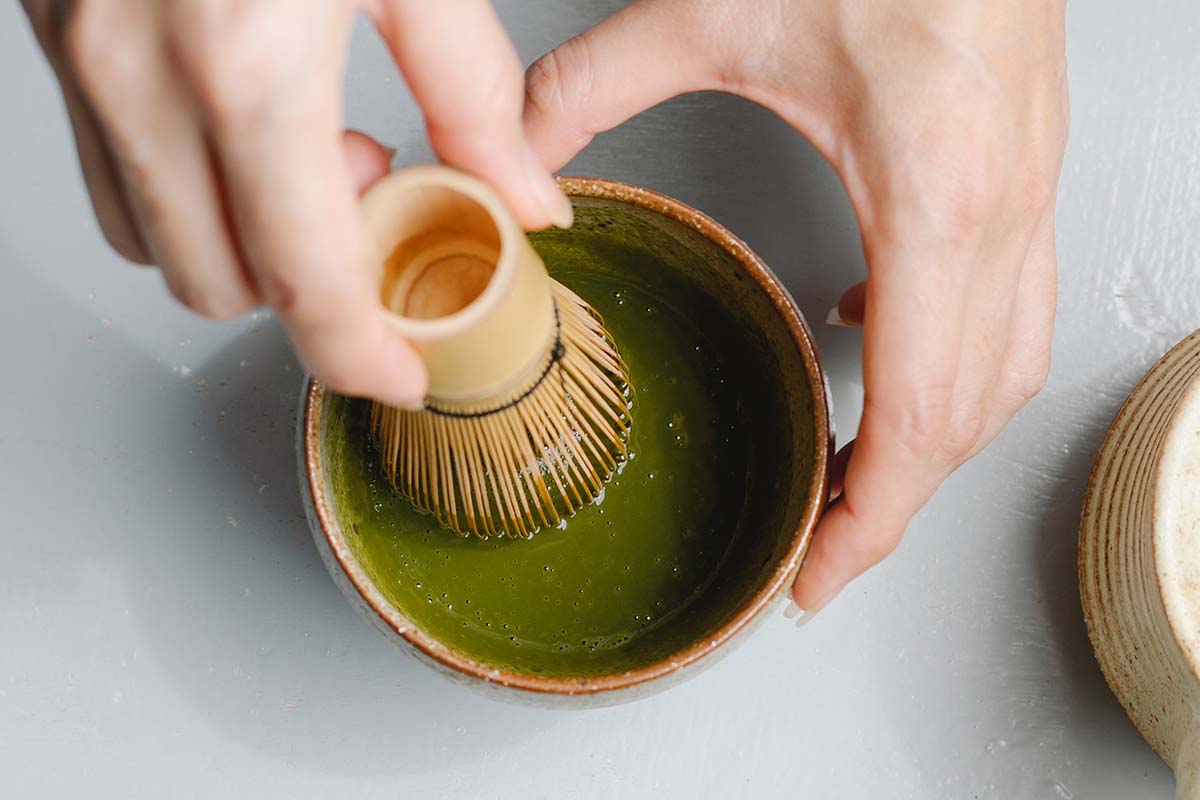
Preparing coffee and matcha involves distinct techniques. A traditional cup of coffee starts with freshly ground beans, followed by precise measurement of the grounds into a filter or press, depending on desired strength. Experts suggest using 1 to 2 tablespoons of ground coffee per 3/4 cup of water. Hot water is then poured over the coffee grounds to release the oils, flavors, and nutrients, resulting in a rich and fragrant brew. Conversely, matcha is crafted from finely powdered tea leaves mixed directly into hot water, typically using around 1/2 teaspoon per cup. For optimal results, matcha enthusiasts recommend vigorously whisking the powder in a zigzag motion until it’s well combined and a frothy layer appears on the surface.
So, where do we stand in the coffee versus matcha saga? Ultimately, it’s about personal preference! If you’re after a quick caffeine boost, coffee might be the better choice for you. However, if coffee feels too intense, consider trying matcha. Both drinks offer substantial nutritional advantages, health benefits, and a variety of flavors, leaving the final decision to your taste.