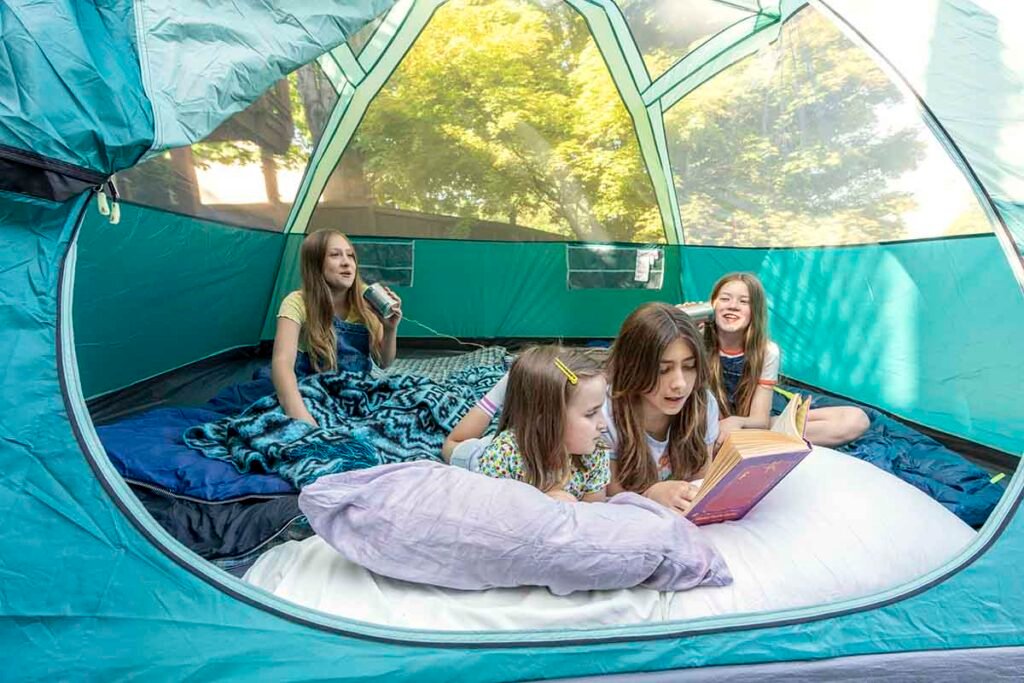
Ah, summer! The nights are illuminated by daylight, filled with a blend of scents and the sounds of crickets, which can lead to… sleep disruptions for children? While fairy dust may not be effective, there are practical strategies to ensure our kids receive the sleep they require.
Importance of Sleep for Healthy Moods
As school lets out, so do established bedtime rituals. “Children vary in their ability to cope with disrupted sleep patterns,” comments Jennifer Garden, MSc, a registered occupational therapist at Sleepdreams Sleep Professionals in Vancouver. The extended daylight hours and warm nights can hinder kids’ ability to drift off to sleep.
Moreover, despite the allure of more flexible bedtimes, “children who experience poor sleep become more sensitive to sensory stimuli,” Garden notes. Some might struggle significantly with the shift in routine, underscoring the need for maintaining regular sleep schedules.
The Value of Consistency
Children revel in the excitement of summer just as we once did, but it’s crucial to blend summer activities with consistent bedtime practices that support healthy sleep. “Parents can enhance melatonin production, the sleep hormone, by establishing regular bedtimes and wake-up times, along with morning exposure to daylight,” Garden explains.
If sleep schedules become erratic, gradually adjust them. “It typically takes about two weeks to reset … depending on the child’s age,” Garden advises. Aim for daily increments of 10 to 15 minutes, adjusting not only bedtimes but also wake-up times and meal schedules, which are essential for maintaining the body’s circadian rhythm.
Fundamentals of Summer Sleep
Bedrooms should be dark and cool for optimal sleeping conditions. Use blackout curtains if late sunsets are an issue and consider a nightlight if necessary.
With the arrival of summer, maintaining a cool bedroom can be challenging. Warm evenings might lead to fatigue and reduced sleep quality, making it hard for children to relax, as their body temperatures need to remain low to encourage sleep.
If air conditioning isn’t available, there are alternatives. “Keep rooms dark during the day and minimize heat entry as much as possible,” Garden recommends. Employing a fan with a bucket of ice in front or draping damp bedsheets over open windows can also cool the room.
Fostering Sleepiness
Encouraging outdoor play can help tire kids out. A cool bath or shower, putting away screens at least an hour before bed, dimming lights, and sharing a bedtime story can all aid in winding down for the night. Reducing body temperature before sleep coincides with a rise in melatonin, promoting easier sleep.
Garden adds, “The presence of a loved one is soothing, particularly for younger children.” Having their cherished toy or blanket can provide comfort during the night. For older kids, wearing a parent’s t-shirt may help comfort them as well.
Nutrients for Enhanced Sleep
A balanced, nutrient-rich diet can enhance sleep quality, while a diet lacking fiber and high in saturated fats may produce the opposite effect.
Foods high in tryptophan, such as turkey, cheddar cheese, tofu, edamame, milk, pumpkin seeds, oats, and eggs, can support melatonin production within the body.
Magnesium is also vital for muscle health and can contribute to better sleep while reducing anxiety. Good sources include pumpkin seeds, dairy, legumes, nuts, whole grains, and leafy greens.
Consider the Additions
If dietary magnesium is lacking, consult your healthcare provider to discuss supplementation. This also applies if vitamin D levels are insufficient, as low levels can correlate with poorer sleep quality. Supplementing vitamin D along with magnesium can mitigate anxiety and help children with ADHD who often face sleep challenges.
Herbal teas such as chamomile, lavender, and lemon balm can assist in promoting relaxation, but ensure there’s no risk of allergies or medication interactions before trying them. Serving these teas iced can also help keep things refreshing.
Keep in mind that adapting to new sleep environments or recovering from fun events like family gatherings or camping trips takes time.
Finding a balance between enjoying summer splendors and adhering to healthy sleep routines may present challenges, but these moments contribute to cherished memories… eventually settling down for the night knowing summer is fleeting and that you’ve made the most of it!
This article was originally published in the August 2025 issue of Thewindowsclubs magazine.