
01
Infancy: 0 to 12 months
Parents go above and beyond to ensure their children’s health and happiness. They scrutinize their children’s diets, the sources and preparation of their meals, as well as their routines for exercise, screen time, learning, and play, all with the ultimate goal of nurturing thriving families.
Sadly, mental health issues impact about one in seven children and adolescents, making it crucial to recognize early signs of distress. Equally important is the cultivation of strong mental health from the very beginning of life. Below are some effective approaches and resources to support your children’s emotional well-being throughout their developmental journey.

During this critical period, attachment forms as the groundwork for mental well-being is established by observing your baby’s signals. Striking a balance between providing too much engagement and too little security is vital. Consider these bonding and comforting techniques:
02
Form a bond with your infant

Ways to Bond:
- Engage in regular eye contact and gentle touches to foster security and connection.
- Leverage facial expressions and body language to enhance attachment.
- Respond to your baby’s distress calmly to instill a sense of safety.
03
Comfort your infant

How to Soothe:
- Address your baby’s needs with calmness and attentiveness to ensure they feel cherished and secure, laying the groundwork for robust mental health.
- Fulfill their needs, be it food, affection, or encouragement. Parenting expert Linda Clement highlights the importance of addressing needs as they arise to connect children to their bodily experiences.
04
Toddlerhood: 1 to 3 years

During this period, toddlers display curiosity as they navigate their growing emotions. A sense of validation and predictability is critical as they build a resilient mental framework.
05
Ensure consistency with your toddler
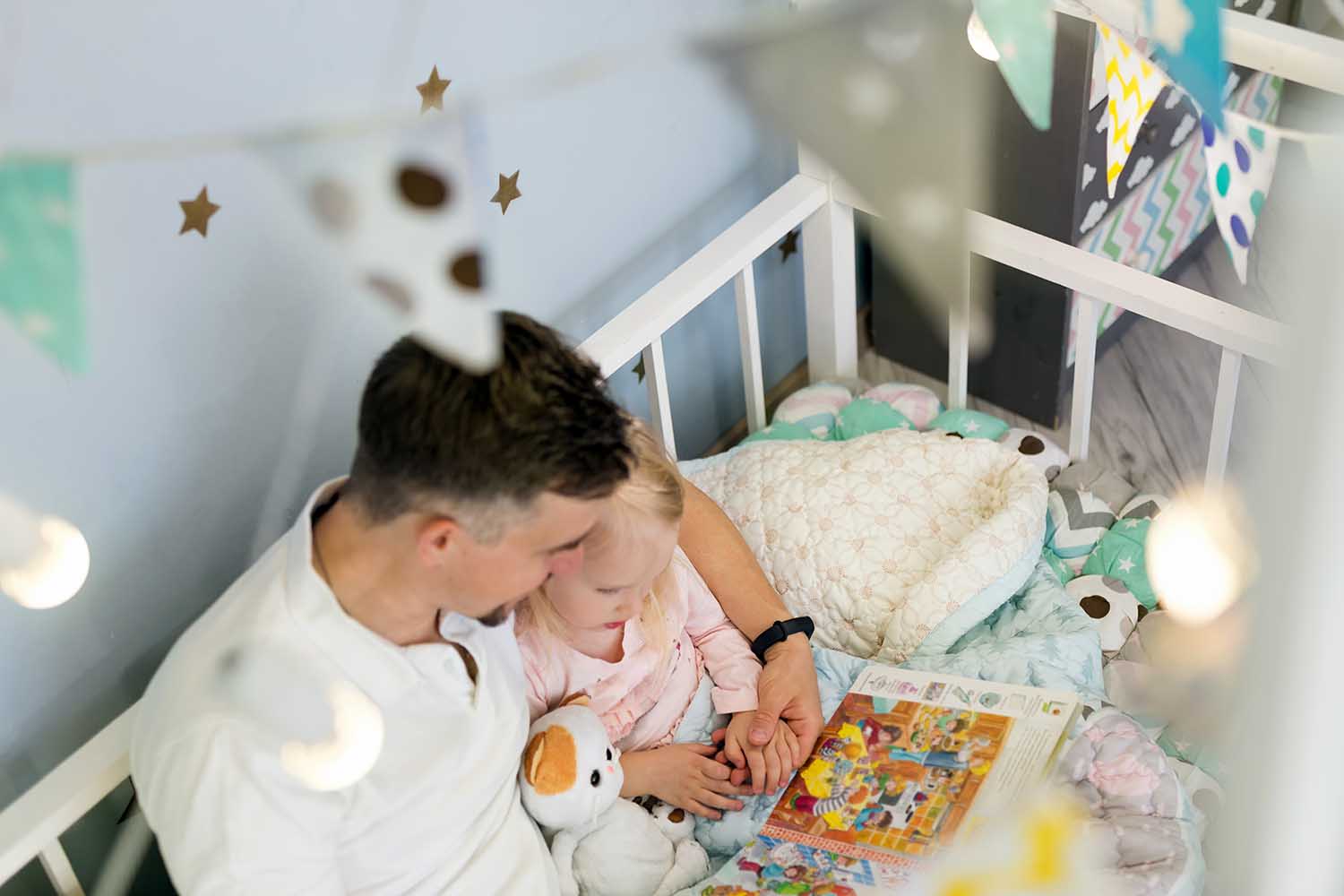
How to Be Consistent:
- Practice patience and provide positive reinforcement consistently.
- Maintain uniform reactions to behaviors to foster stability and resilience.
- Create a safe and predictable home environment.
- Teach your child that you are their safe harbor while they explore their surroundings with confidence.
- Ensure their environment remains comforting and predictable. Clement advises fostering a space that is secure and nurturing, encouraging relaxation.
06
Preschool Years: 3 to 6 years

At this age, children experience intense feelings and require outlets for expression. As noted by Johnson, while this stage can be rewarding, it can also be challenging. Prioritizing robust mental health now will yield lifelong benefits.
07
Engage and encourage independence in your preschooler

How to Engage:
- Discuss essential topics like safety openly to strengthen your connection, thus establishing a more secure foundation for their well-being.
- Encourage creativity through various forms of expression. Johnson emphasizes the significance of play, art, music, and mindfulness in fostering healing and a sense of security.
- Allow appropriate moments for both connection and independence to help your preschooler develop resilience and emotional strength through attentiveness.
- Aid them in managing their emotions.
- Incorporate breathing exercises to alleviate stress and promote relaxation. For guidance, visit anxietybc.com/parenting/how-teach-your-child-calm-breathing.
- Encourage physical activities to alleviate stress and enhance confidence.
- Select reading material that addresses emotional topics to assist them in articulating their feelings constructively.
08
School Age: 6 to 12 years

At this stage, children often find themselves spending more time apart from their primary caregivers as they form friendships and assert their independence. It’s vital to maintain open communication about their experiences to promote mental wellness.
09
Encourage independence while remaining connected

Ways to Encourage Independence:
- While physical attachment may lessen, nurturing an emotional connection is vital. Reassure your child of your ongoing support and protection, even from afar.
- Keep discussions relevant by addressing important topics, including technology use, online safety, and social relationships.
10
Prioritize family time

How to Maintain Family Cohesion:
- Celebrate family traditions and engage in shared activities, fostering stability and comfort at home.
- Avoid overscheduling; aim for one extracurricular commitment daily and dedicate a full day each week for family bonding. This time is crucial for nurturing connection.
11
Adolescence: 13 to 18 years

In this pivotal developmental stage, teenagers may develop self-consciousness and engage in risky behaviors. While fostering connection is essential, navigating this can be complex, as adolescents often test boundaries and exhibit rebelliousness.
12
Stay engaged with your teenager

How to Stay Connected:
- Clement suggests that decisions should be made from a place of love and trust rather than out of fear. Trust in your child’s judgment, and foster open dialogue about various subjects to prevent taboos.
- Provide a safe and inviting home environment that encourages open discussions as teen autonomy develops, emphasizing that they need your support now more than ever.
- Incorporate your child’s friends into family activities when suitable, thus ensuring rules are respected while maintaining a close relationship.
13
Exercise flexibility with your teen

How to Balance Flexibility:
- Open and honest conversations with teens are essential to grasping their perspectives. Trust cannot thrive in an atmosphere of suspicion; therefore, maintain an open demeanor.
- Establish equilibrium between setting rules and allowing freedom. This enhances your teenager’s sense of accountability while ensuring their safety.
- Offer choices; as teens navigate friendships, supporting their decisions—regardless of outcomes—is vital for building trust and confidence.
Parenting is undoubtedly challenging, but Johnson reminds us to be kind to ourselves. “While seeking support may feel daunting, it can offer significant growth and healing, empowering us to be better parents.” Engaging with other caregivers, friends, and educators in your child’s life can provide fresh insights and valuable support for families.