
Artificial intelligence (AI) is already shaping the way individuals approach their wellness—supporting them in organizing exercise routines, meal planning, and establishing better sleep practices. However, not all AI-generated prompts yield the same results. Below are actionable ideas designed to enhance your health management.
Establish a daily routine

Juggling fitness, nutrition, stress relief, and adequate rest can quickly feel unmanageable. Utilizing large language models (LLMs) can facilitate your daily scheduling, keeping health as a priority. A well-structured plan can streamline your efforts toward multiple goals, such as incorporating exercise, preparing nutritious meals, and staying hydrated.
Consider asking:
“Draft a daily wellness-focused agenda that includes at least 30 minutes of physical activity, three nutritious meals, and some screen-free time in the evening.”
“Formulate a straightforward Monday to Friday strategy aimed at enhancing energy, reducing stress, and boosting concentration.”
Incorporating personal preferences and time limitations enhances the chances of obtaining a feasible schedule.
Organize your meals

AI is exceptionally effective at meal planning, offering organization that simplifies tasks like categorizing recipes or creating grocery lists. It can also provide tailored recipes based on dietary restrictions. For instance, if you’re managing allergies or monitoring macronutrients, AI can significantly reduce your prep time with the right prompts.
Try these prompts:
“Compile a three-day meal plan focused on gluten-free, high-protein dishes under 2,200 calories each day.”
“Generate a plant-based grocery shopping list for four dinners and breakfast smoothies, all within a $200 budget.”
“Devise a weekly meal plan to maintain stable blood sugar levels using high-fiber foods.”
Feel free to request meal prep strategies or batch cooking tips to make cooking more convenient. The more explicit your request, the more efficient the solutions will be.
Design a workout regimen

AI can assist in curating fitness programs tailored to your lifestyle. By entering the right prompt, you can generate workout plans catered to your current fitness level, available equipment, and personal objectives like enhancing strength, mobility, or stamina.
Suggestions to ask:
“Construct a four-week strength training schedule using just dumbbells for beginners.”
“Create a 20-minute workout focused on core stability and low-impact cardio that can be done at home.”
“Devise an eight-week progressive running regimen aimed at preparing me for a 5K race.”
It helps to specify any physical limitations, space available, equipment on hand, and your goals. You can also seek out reminders or techniques to monitor your progress if accountability is necessary. Just bear in mind that AI won’t substitute for personal trainers who provide real-time feedback and guidance.
Establish healthy sleep patterns

Challenges with sleep often stem from ineffective routines—and this is where AI excels. By examining your habits and preferences, AI can assist in shaping a nightly routine or identifying barriers to restorative sleep.
Try these queries:
“Help me create a 45-minute pre-bedtime routine that minimizes screen exposure and encourages relaxation.”
“What are five daytime changes I can implement to enhance my deep sleep quality?”
“Draft a week-long sleep journal framework to monitor my bedtime, wake-up time, and caffeine intake.”
Providing insights about your usual schedule, challenges, and routines will yield a more precise plan. If you utilize a sleep or fitness tracker, incorporate that data to enhance personalization. While AI can’t replace sleep specialists, it serves as a valuable initial step towards improved sleep quality.
Manage stress effectively

While mental wellness is inherently personal, and nothing can truly replace human connection, AI offers a means to enhance self-care practices. Although prompts cannot substitute therapy, they can support routine habits like journaling, mindfulness, or mood tracking.
Try asking:
“Lead me through a five-minute deep breathing session to alleviate anxiety.”
“Provide daily reflection questions to monitor my mood and energy levels.”
“Suggest a brief journaling topic to help me process my feelings today.”
If you lean towards a specific therapeutic method—such as mindfulness, cognitive-behavioral techniques, or gratitude journaling—mention it in your prompt. Always consult with a licensed professional for mental health matters when necessary. You can also explore lists of mental health apps for further digital assistance.
Track your health metrics
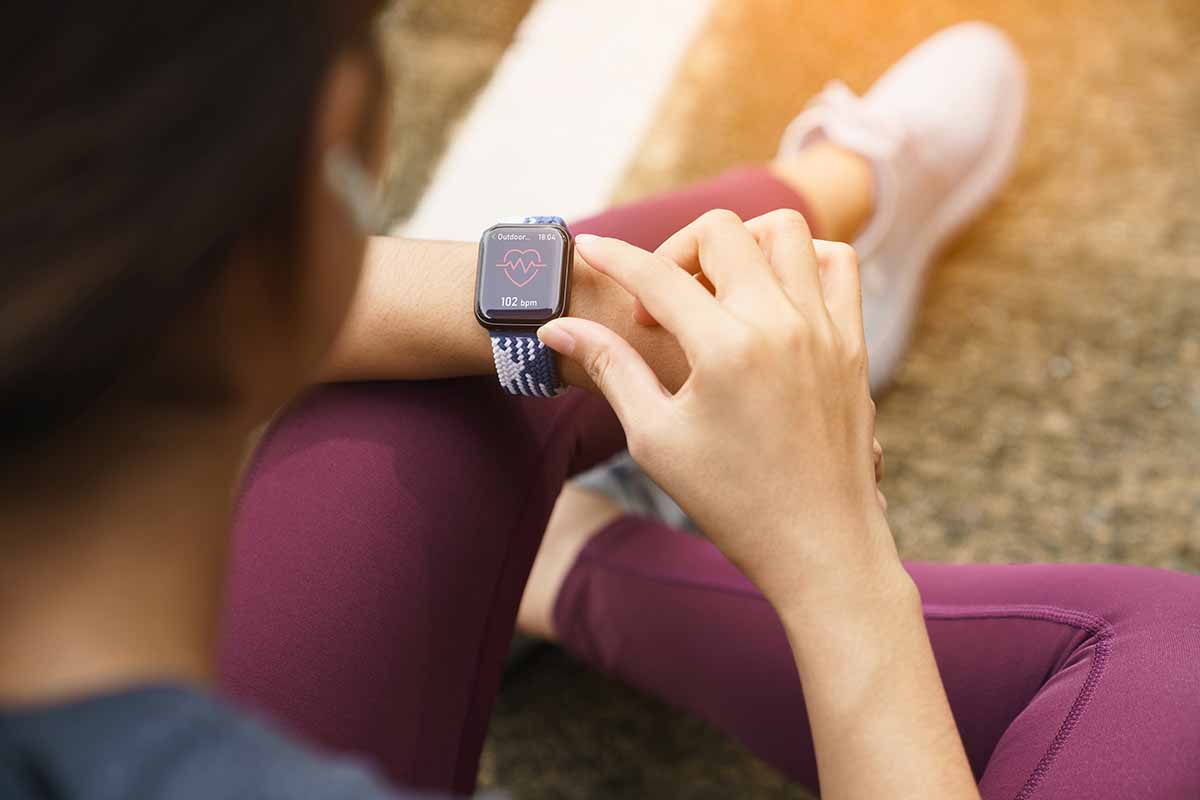
AI can help streamline health data organization, allowing you to identify trends and focus on areas needing attention. Additionally, it can prepare you for healthcare appointments by summarizing your symptoms, enabling you to communicate more effectively with your medical professional.
Suggestions to ask:
“Create a weekly log to record my headaches, sleeping patterns, and hydration levels.”
“Summarize the previous ten days of my symptoms for discussion with my healthcare provider.”
“What questions should I consider asking my doctor regarding chronic joint pain?”
While you should never rely solely on AI for medical diagnosis, it serves as a valuable resource for data collection and organization to inform your health decisions.
Identify areas for growth

Even the most effective wellness regimens can stall at times. AI can analyze your experiences and provide practical adjustments based on previous attempts.
Consider inquiring:
“I feel unenergized by my morning routine. What changes should I consider?”
“Modify my weekly wellness approach to incorporate more rest and reduce high-intensity days.”
“What small modifications can I make to lessen burnout while remaining aligned with my health objectives?”
Being candid about your challenges and achievements will lead to more tailored and relevant guidance that aligns with your actual capabilities rather than just your goals.