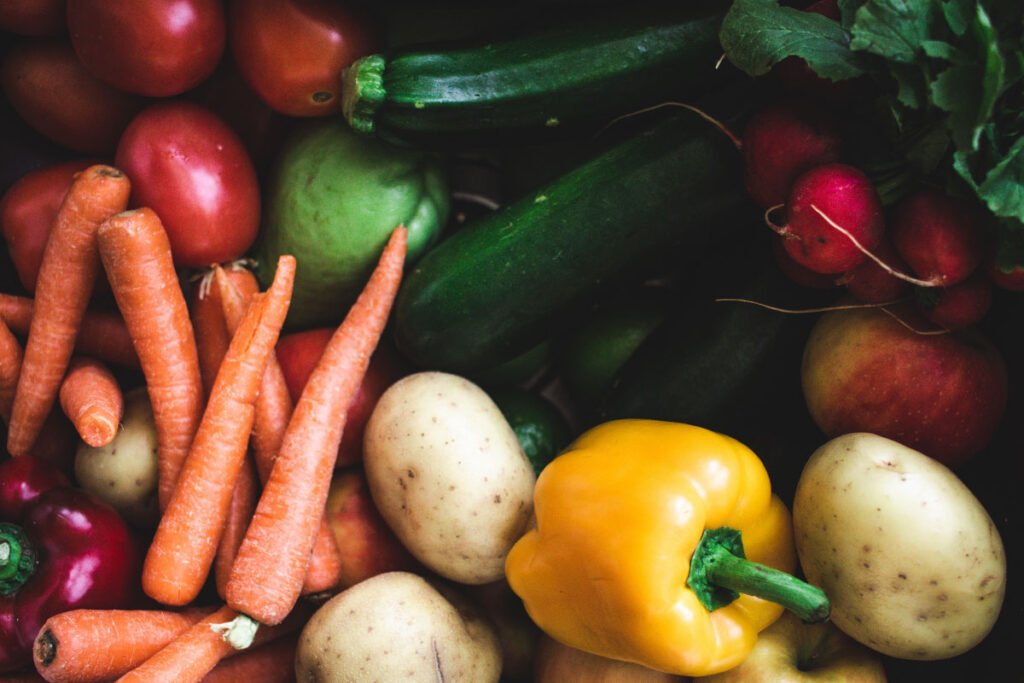
Are you in search of an environmentally friendly approach to your diet? You are not alone! As knowledge of food production and climate change becomes more prevalent, the climatarian diet is steadily gaining popularity. Embracing the climatarian lifestyle can be a beneficial change that enhances your awareness of your food choices, from the source to your plate.
Understanding the climatarian diet

The climatarian diet is more than just a plant-based diet; it emphasizes the importance of consuming seasonal, local, and minimally processed foods. This lifestyle includes limited consumption of animal products while advocating for eco-friendly shopping habits. The most suitable foods for this diet are those that have minimal carbon footprints and are produced with the least waste possible.
Food production accounts for 26 to 34 percent of global greenhouse gas emissions. Advocates of the climatarian diet suggest that adopting this environmentally friendly eating style could reduce greenhouse gas emissions from food by as much as 84 percent in wealthier nations.
Foods to embrace in the climatarian diet
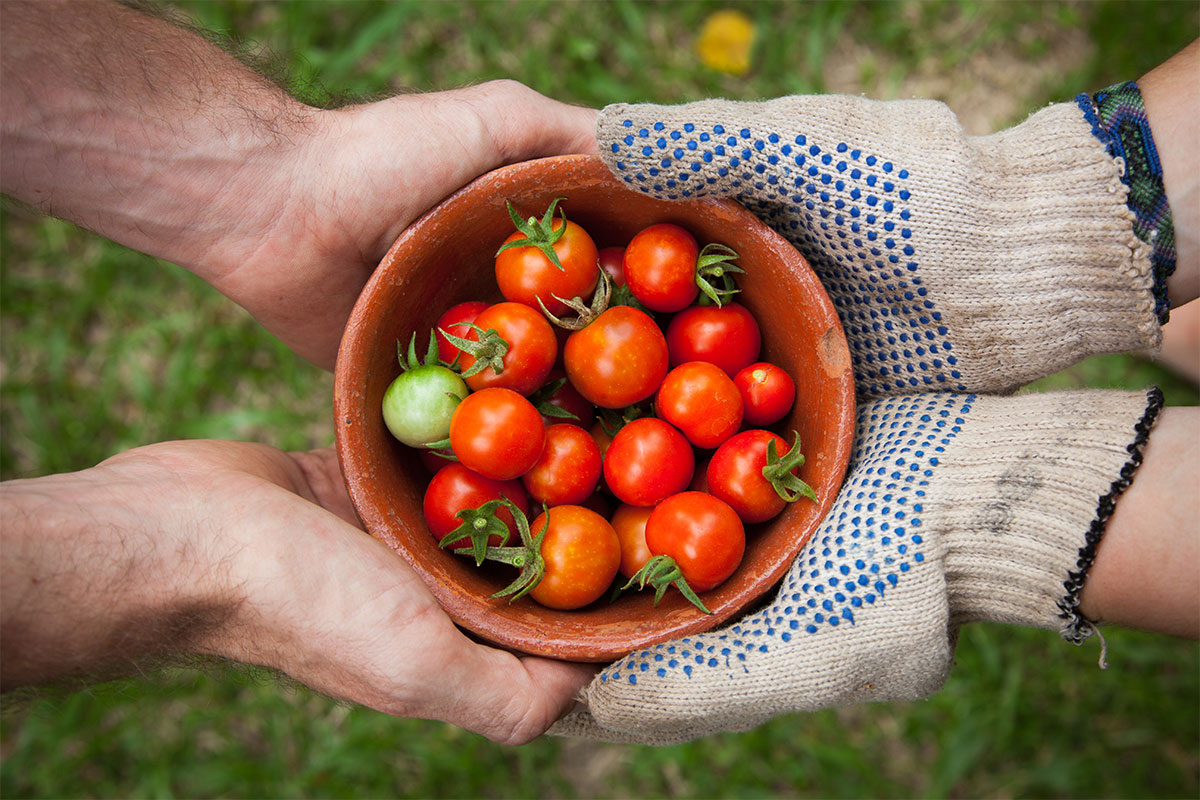
A meal plan that aligns with climatarian principles may consist of:
- seasonal fruits and vegetables sourced locally
- whole grains, legumes, nuts, seeds, and other plant-based foods from local farms
- locally raised pork and poultry adhering to high welfare standards
- moderately consumed sustainable fish
- dairy products in moderation
- eggs, consumed sparingly
Foods to limit on the climatarian diet

Like many diets with specific guidelines, certain foods are discouraged in a climatarian eating plan. Generally, items that contribute significantly to greenhouse gas emissions are excluded, with beef being the primary offender.
A climatarian diet typically avoids:
- beef, lamb, and goat
- Red List fish and seafood obtained through unsustainable fishing methods
- foods that travel by air
- plant food grown in heated greenhouses
- highly processed foods
The land required for raising livestock is significantly greater than that needed for growing plant-based foods, thereby increasing environmental strain. A climatarian lifestyle advocates for reducing overall animal product consumption, including the items listed above. Even limiting meat and dairy to one meal a day can substantially reduce your carbon footprint.
Benefits of a climatarian diet
Making eco-aware choices can be quite gratifying. The benefits of adopting a climate-friendly diet are substantial.
Reduced ecological impact
Eating in a climatarian manner can diminish your share in greenhouse gas emissions associated with food production and transportation.
Enhanced health
Whole, plant-based diets are excellent for maintaining a healthy weight and reducing the risk of chronic diseases like heart issues and diabetes.
More nutritious produce
Focusing on seasonal, locally sourced produce ensures that the nutritional quality is preserved, preventing the decline that can happen during transport and storage. Research suggests that raw leafy greens like spinach and broccoli can lose nearly 29 percent of their vitamin C within just one day of refrigeration.
Support for the local economy
Purchasing locally sourced food bolsters local farmers and businesses, fostering food security and strengthening connections with those who provide your meals.
Economical food choices
Research indicates that opting for sustainable diets (including vegan, vegetarian, and flexitarian options) can cost up to 34 percent less than traditional eating habits.
Challenges of a climatarian diet
Adjusting to new eating habits can be challenging—especially when it comes to food preferences. You may encounter some obstacles as you transition to a climatarian lifestyle.
Restricted produce variety
Focusing on seasonal, local foods can limit the array of fruits and vegetables available, particularly during winter months. Therefore, if you enjoy strawberries for breakfast, you might need to freeze extras when they are in season.
More shopping time
Identifying the most climatarian-friendly foods may require extra effort and research. A serious climatarian must educate themselves about the food system and search for the right products.
Milder taste experiences
Adopting a climatarian diet may result in replacing familiar herbs and seasonings from your favorite recipes with those that are in season or locally available, which could mean a less robust flavor profile.
Reduced meat intake
If you depend on meat as a source of protein, iron, vitamin B12, and other essential nutrients, you might find it difficult to meet your nutritional needs while following a plant-based diet. Supplements can assist in obtaining necessary nutrients.
Potential for social isolation
Dining out or attending social gatherings may become more complex due to dietary restrictions. This can make some climatarian followers feel socially excluded.
Transitioning to a climatarian diet
Shifting to a climatarian diet can be a fulfilling and enjoyable process. If it feels daunting, consider a gradual approach by slowly integrating more sustainable choices into your meals and grocery shopping.

