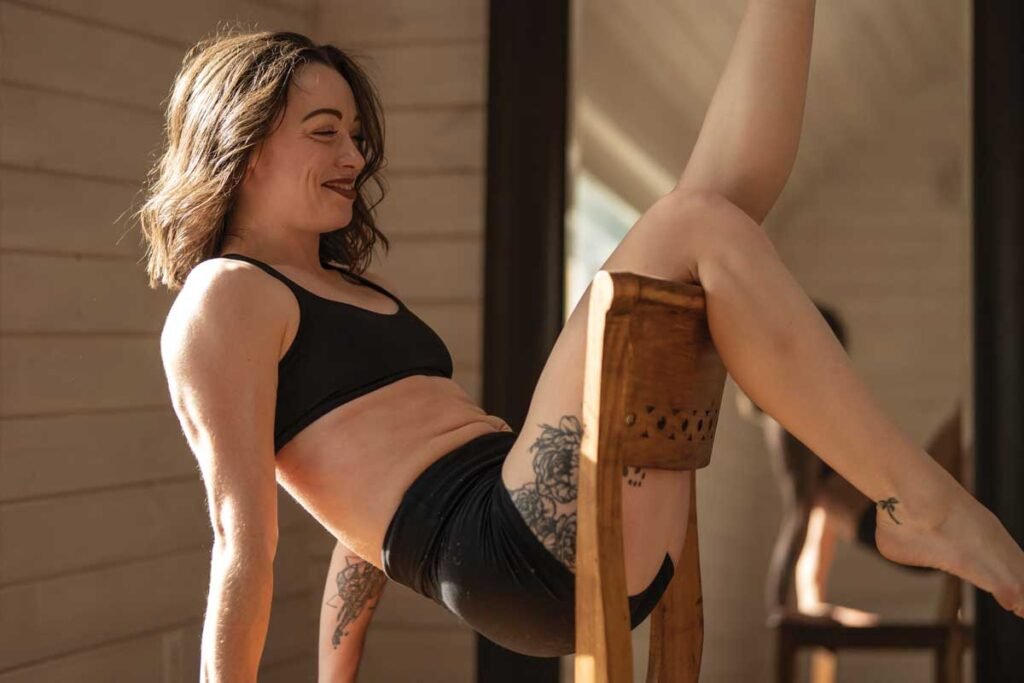
For those residing in Canada, even the most cheerful individuals can feel the impact of winter’s gloom on their mental health. As we approach March, anticipation for spring grows, and engaging in dance might be an excellent way to experience that warmth a bit sooner.
All are welcome
Feeling like you can’t dance? Think again! Dance is an inherent part of humanity; even babies express themselves through movement and rhythm before they learn to talk.
“Dance is essentially movement, and movement is something we do constantly,” shares Julia Ray, founder of Ecstatic Dance Toronto, a weekly alcohol-free dance gathering. “Instinctively, your body knows how to move.” If the fear of not looking “cool” deters you, consider the multitude of health benefits that might inspire you to step onto the dance floor.
Benefits of Dance on Brain Health
Research indicates that even a one-hour dance session can lead to lower depression levels. While it releases endorphins like any physical activity, there’s more to it.
The close connection between music and dance means that engaging in both provides a heightened sense of pleasure: the predictability of music activates reward pathways in the brain, while movement engages sensory and motor systems. This combined stimulation often results in prolonged enjoyment, which is why people frequently find themselves dancing for hours.
Supporting Cognitive Health
Engaging in dance has been shown to lower risks related to dementia and assist individuals with Parkinson’s disease by enhancing dopamine levels and fostering the creation of new neural pathways—thereby boosting neuroplasticity. Patients with Parkinson’s often exhibit improved walking and speaking abilities when provided with consistent rhythmic cues, while specific melodies can evoke memories for those suffering from dementia.
Dance as a Form of Therapy
Dance Movement Therapy (DMT) utilizes movement and dance as a psychotherapeutic approach, providing patients with a different means of expressing themselves.
“All our experiences are imprinted somewhere within our bodies,” explains Marlene Stirrett-Matson, a dance movement therapist and the president of the Dance and Movement Therapy Association in Canada. “They manifest as memories or traumas. Through movement, we guide clients to rediscover and process those stored narratives.”
By transcending traditional verbal communication, DMT allows individuals to tap into subconscious emotions and navigate issues that may be challenging to articulate.
Building Strength Through Dance
Besides its substantial cognitive benefits, dancing serves as a remarkable way to maintain physical activity even during snowy months. Studies suggest that any dance form can effectively enhance muscle strength, flexibility, endurance, and balance.
Maintaining Movement as We Age
As we grow older, dancing can play an important role in preserving mobility, fostering healthy joints, and promoting general physical health.
Even those with limited movement can participate in dance. When creating a session, “you can build upon the movements present in the room,” notes Stirrett-Matson. “People can enjoy dance while sitting, standing, or lying down, wherever they feel at ease and safe.”
Connecting Through Dance
When dancing in the company of others, whether in groups or pairs, the benefits extend beyond the individual, fostering a sense of connection and community. Engaging in synchronized movement enhances energy, mood, and social ties, transforming wellness into a collective experience.
“The act of dancing itself serves as a powerful natural remedy rooted in health and wellness,” asserts Ray. “Innately, we have all we need to flourish, and dance floors create spaces that reveal this potential.”
This article first appeared in the March 2026 edition of Thewindowsclubs magazine.