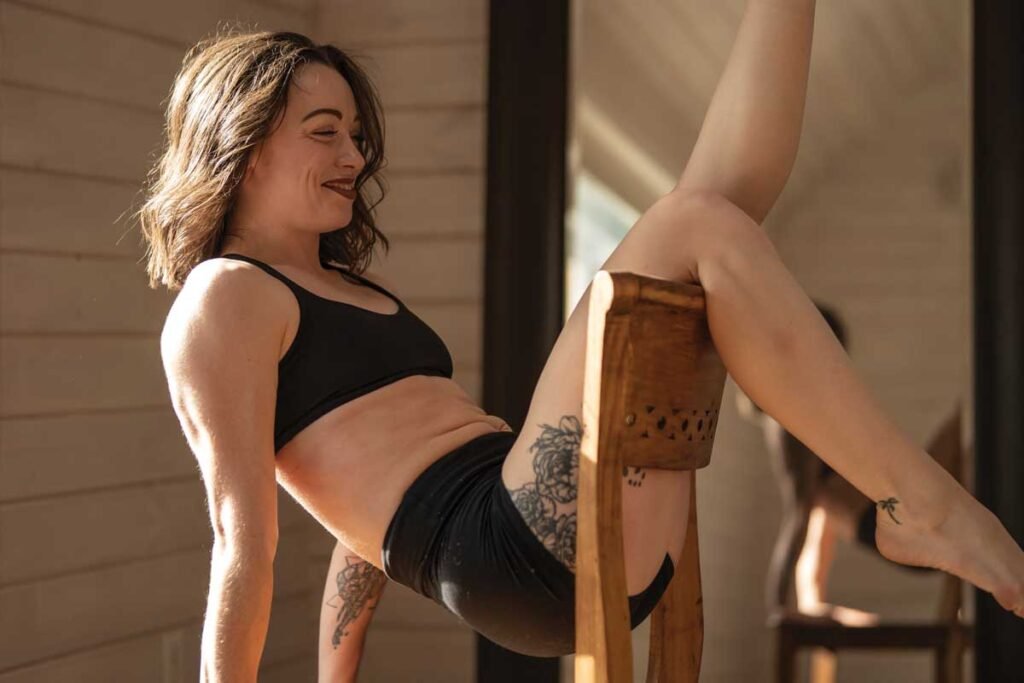
For those residing in Canada, the weight of winter can feel heavy on our spirits, even for the most upbeat and strong-hearted among us. As March approaches, the yearning for spring intensifies, and embracing the joy of dance might be the perfect way to usher in the warmth a bit sooner.
Open to All
Are you hesitant to dance? It’s more universal than you might think. Dance forms an essential part of our human experience; even babies express themselves through movement long before they learn to speak.
“Dance is simply a form of movement that we engage in constantly,” explains Julia Ray, the brains behind Ecstatic Dance Toronto, which hosts weekly sober dance events. “Your body innately understands how to move.” If worries about appearing “cool” deter you, consider the numerous health advantages that dancing provides as motivation to hit the floor.
Dancing and the Brain
Research indicates that just one hour of dancing can lower depression levels significantly. In addition to triggering the release of endorphins like other physical activities, there’s more happening neurologically.
Music and movement are deeply intertwined; the combination is a delightful experience: the predictive aspects of music activate the brain’s reward systems while dance enlivens sensory and motor areas. This synergy is why dancing can invoke prolonged feelings of pleasure, with many people joyfully dancing until dawn.
Long-Term Cognitive Benefits
Dancing may also lower the risk of dementia and aid individuals with Parkinson’s disease by enhancing dopamine levels and fostering new neural pathways that improve neuroplasticity. Those affected by Parkinson’s often have improved speech and mobility with rhythmic cues, while familiar songs can evoke memories for individuals with dementia.
Dance as a Therapeutic Tool
Dance Movement Therapy (DMT) is a psychotherapy approach that melds movement with dance to provide an alternative avenue for expression.
“Every experience we encounter is retained in our bodies,” notes Marlene Stirrett-Matson, dance movement therapist and president of the Dance and Movement Therapy Association in Canada. “These experiences manifest as memories or traumas. We guide clients to unearth those memories and express them through movement.”
Notably, due to its non-verbal nature, DMT allows individuals to tap into unconscious emotions, navigate through cultural or language barriers, and address challenges that may be difficult to convey verbally.
Step into Fitness
Beyond its cognitive advantages, dancing is a fun and effective way to ensure you’re getting enough exercise, even when the ground is blanketed in snow. Studies show that any style of dance can significantly enhance muscular strength, flexibility, endurance, and balance.
Keep Moving
As we age, dancing proves especially advantageous, aiding in mobility, supporting healthy joints, and fostering overall physical health.
For individuals with limited mobility, dance remains accessible. Stirrett-Matson explains, “During sessions, we adapt the movement to the individuals present. People can participate from a seated position, standing, or even lying down—wherever they feel comfortable and safe.”
Connected Through Dance
Engaging in dance with others, whether in pairs or groups, fosters not just personal benefits but also a sense of community. Sharing movement cultivates connection, elation, and belonging. Synchronizing movement can elevate collective energy and mood, reinforce social ties, and transform wellness into a communal journey.
“The act of dancing itself serves as a wonderful remedy … deeply rooted in health and wellness,” remarks Ray. “We possess all we need to thrive, and the dance floor exemplifies this truth.”
This article first appeared in the March 2026 edition of Thewindowsclubs magazine.