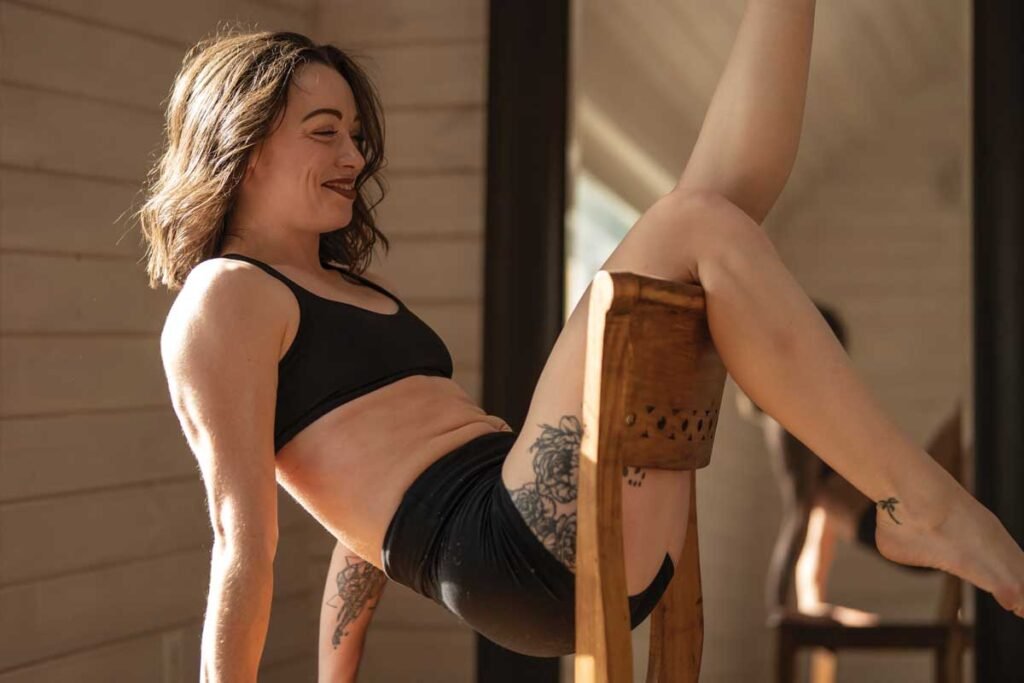
Winter in Canada can be tough on even the most cheerful individuals, affecting our overall mental health. As March approaches, the anticipation for spring grows, and engaging in dance might offer a way to experience that warmth ahead of time.
Everyone Can Dance
If you think dancing isn’t for you, it’s time to reconsider. Dance is a fundamental part of human expression; even small children convey their feelings through movement before they learn to speak.
“Movement is a natural part of our existence,” explains Julia Ray, the founder of Ecstatic Dance Toronto, which hosts sober dance gatherings weekly. “Your body is built for this.” If the fear of not appearing graceful is preventing you, the numerous health advantages it offers might just persuade you to hit the dance floor.
The Impact of Dance on the Brain
Research indicates that just a single hour of dancing can significantly lower depression levels. While it shares the mood-enhancing qualities of other forms of exercise, dance offers unique benefits.
The combination of rhythm and music provides a twofold pleasure: the anticipation created by music activates the brain’s reward pathways, while dance engages its sensory and motor functions. This dual stimulation contributes to a more prolonged sense of joy, often causing people to dance for hours.
Enhancing Cognitive Function
Engaging in dance has been shown to lower the likelihood of developing dementia and aids individuals with Parkinson’s disease by increasing dopamine levels and fostering new neural connections, thereby enhancing brain plasticity. Those with Parkinson’s typically experience improved mobility and speech when they have a consistent rhythmic prompt, while specific songs can evoke memories for dementia patients.
Therapeutic Dance
Dance Movement Therapy (DMT) provides a unique form of psychotherapy that utilizes movement and dance as tools for expression.
“Every experience we’ve had is embedded in our bodies,” states Marlene Stirrett-Matson, a dance movement therapist and president of the Dance and Movement Therapy Association of Canada. “These experiences manifest as memories and traumas. Through movement, we guide clients to access and process these memories.”
This non-verbal approach allows individuals to tap into unexpressed emotions, helping to navigate cultural and language barriers while addressing challenging issues.
Empower Your Body
Beyond its mental benefits, dancing is also an excellent way to stay active, especially when outdoor conditions aren’t favorable. Various studies show that different dance styles can improve strength, flexibility, endurance, and balance.
Maintain Motion
Dancing benefits our physical health, especially as we age, as it aids mobility, supports healthy joints, and underpins overall well-being.
Dancing remains accessible even for those with limited mobility. “Movement can be adapted for all abilities,” relays Stirrett-Matson. “Participants can express themselves while sitting, standing, or lying down, wherever they feel safe and comfortable.”
Building Community
Dancing in the company of others, whether in a dance class or simply with a partner, offers more than just individual benefits—it fosters connection, happiness, and a sense of belonging. Shared movement can synchronize emotions and energies, strengthen social ties, and enrich wellness experiences.
“Dance is a profound healer … deeply rooted in health and well-being,” emphasizes Ray. “We possess everything we need to flourish, and the dance floor can be a space where this is manifest.”
This piece was initially featured in the March 2026 edition of The Windows Club magazine.