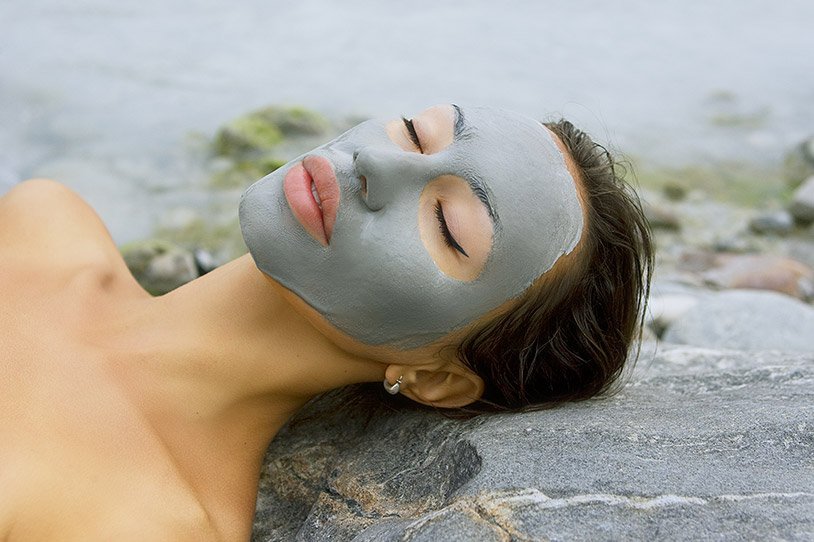
If you associate “at-home facial masks” with the artificial scents of strawberry-scented creams popular during teenage sleepovers, it’s time to reassess. The modern facial masks now available utilize premium natural ingredients and are designed for everyone, including men.
Understanding Facial Masks
Facial masks have become an essential item in any beauty enthusiast’s collection. They not only provide a luxurious spa-like experience in the comfort of home but also supply concentrated skincare ingredients tailored to our skin’s specific needs.
If you’re uncertain about how to choose the right one, here are some steps to guide you in selecting and using the ideal at-home facial mask.
Step 1: Select Your Mask Type
A variety of facial masks are available at well-equipped natural health stores, with many innovative options that may surprise you.
Cream-Based
Traditionally thick and creamy, these masks are meant to be applied for several minutes before being rinsed with warm water and a soft cloth.
Peel-Off
With a gel-like consistency, peel-off masks are crafted for those with acne-prone skin. Apply a thin layer, allow it to dry, and peel it off as directed.
Sheet Masks
One of the latest trends popularized by Asian beauty culture, sheet masks are incredibly convenient. Simply remove the mask from its package and place it on your face—no measuring needed! Just remember, it might give you a ghostly appearance while you wear it.
Overnight Masks
Known as sleeping masks, these products can be likened to power-packed night creams. They cater perfectly to those who may not typically use a facial mask and provide intense hydration for thirsty skin.
Step 2: Identify Your Target Concern
Different masks offer specific skincare benefits, so it’s crucial to define your skincare objectives prior to making a purchase. Regardless of your choice, avoid harmful ingredients like parabens and phthalates.
Here are favored types and essential ingredients to search for:
Hydrating Masks
Masks serve as excellent vehicles for effective moisturizing components.
Key Ingredients:
- Oils from fruits or nuts, such as camelina or grapeseed oil, are perfect for hydrating and nourishing the skin.
- Yogurt extracts can enhance moisture, elasticity, and radiance in the skin.
Calming Masks
For irritated skin that experiences redness, a soothing and refreshing mask is ideal.
Key Ingredients:
- Colloidal oatmeal is recognized in studies for its soothing and anti-itch properties.
- Aloe vera offers moisture and relief, so skin feels rejuvenated.
Acne Treatment Masks
If you’re tired of concealing blemishes, look for powerful natural ingredients aimed at tackling breakouts.
Key Ingredients:
- Witch hazel serves as a calming astringent for acne-prone skin.
- Natural acids, including beta hydroxy acids, naturally exfoliate and renew the skin.
Oil-Controlling Masks
Even oily skin doesn’t always require anti-acne treatments. Some masks provide thorough cleansing, minimize pores, and help restore skin’s balance without causing irritation.
Key Ingredients:
Clay is a common component in many facial masks, purifying the skin by absorbing excess water and oil.
Research indicates that green tea can effectively reduce oil production while providing antioxidant benefits.
Anti-Aging Masks
No mask can literally rewind time, but nourishing the skin can enhance its softness, volume, and glow.
Key Ingredients:
- Antioxidants such as vitamin C may help mitigate sun damage and uneven skin tone.
- Rose oil is often included in products for mature skin due to its nourishing and restoring properties.
Step 3: Prepare Your Skin
To maximize absorption of the mask’s beneficial ingredients, fully cleanse your face from any makeup with a gentle cleanser. For an enhanced spa-like experience, consider using an exfoliating or steaming treatment, but be cautious with sensitive skin.
Step 4: Apply Your Mask
Facial mask instructions can vary significantly, so it’s essential to carefully follow the provided guidelines. Don’t make assumptions about how frequently to use the mask or whether it should be rinsed off, as this could lead to unpleasant results—mistaking a peel-off mask for a sleeping one, for instance.
Step 5: Follow Up with Post-Mask Care
Once your facial mask has been removed, apply a natural moisturizer to maintain skin hydration and suppleness. Let your skin absorb the benefits, making nighttime an ideal occasion for mask application!
Spot Treatment Options
If a particular area of your face tends to break out and you’re short on time, consider using a mask as a targeted treatment. Apply a small amount onto the affected spot and adhere to the instructions provided by the brand.
Hair Masks Explained
Hair masks serve a purpose similar to leave-in conditioners. They typically contain nourishing plant or nut oils and vitamins that revitalize dry, dull hair and restore its natural luster.
Facial Masks for Men
Gentlemen, don’t hesitate! Masks can significantly enhance your skincare routine—provided you select the right ones.
Men’s skin can differ from women’s due to hormonal influences and other factors. Generally, male skin tends to be thicker, produces more oil, and sweats more, making facial masks focused on oil control and acne particularly beneficial. A noteworthy study from 2010 indicated that a green tea emulsion helped diminish oil production in men, suggesting it’s a valuable ingredient to seek out in facial masks.