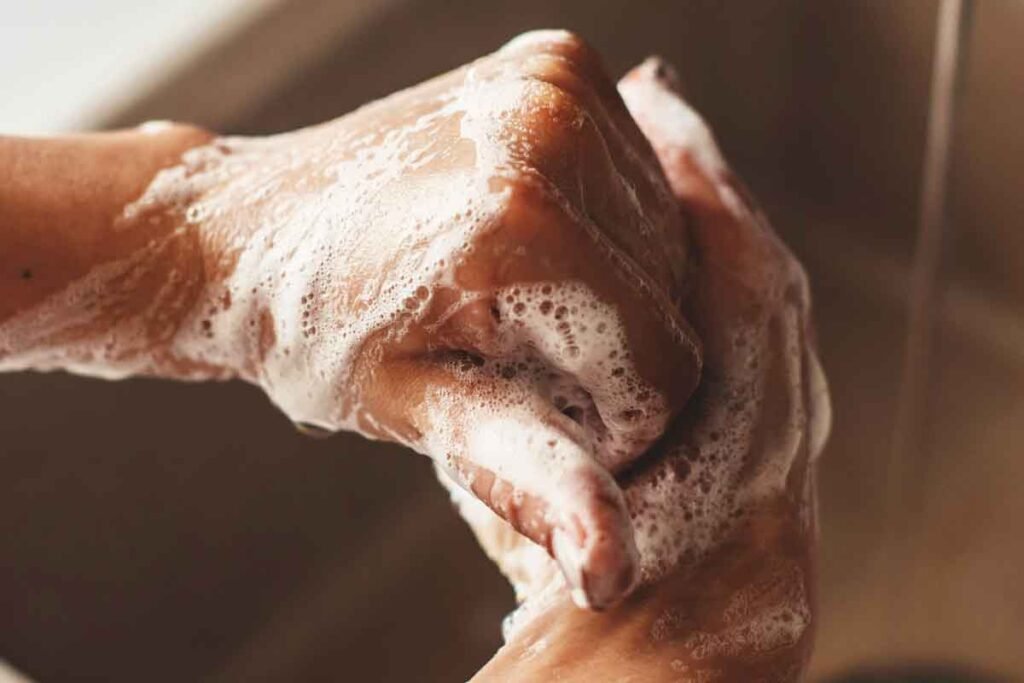
In recent years, antibiotic consumption has surged by over 16 percent, leading researchers to classify it as a significant global public health concern. This issue is compounded by our dependence on sanitizing agents such as antibacterial soaps, disinfecting wipes, and hand sanitizers, particularly during the cold and flu season. Health professionals and researchers are increasingly questioning whether our fixation on cleanliness and germ eradication may be counterproductive, potentially leading to poorer health outcomes.
The cleanliness shift: Are we taking it too far?
The use of sanitizing products, including kitchen disinfectants, surged throughout the COVID-19 pandemic. However, even prior to that, our society had an intense focus on cleanliness. Antimicrobial agents have become commonplace in a variety of household products, ranging from soaps to toothpaste.
This inclination stems from a desire to protect ourselves and our families from illnesses and infections, but there’s a risk that we may have gone overboard.
“During the pandemic, we exchanged immunity for reassurance,” explains Kiara DeWitt, BSN, RN, CPN. “People began spraying, cleaning, and disinfecting every surface imaginable.”
This fear-driven cleaning frenzy continues for many, whether they are meticulously maintaining their homes or ensuring cleanliness as children return from school.
Immune development through exposure
“Dirt isn’t the enemy,” remarks DeWitt, highlighting how our immune systems thrive on exposure. “By eliminating 99.9 percent of germs daily, our immune systems can weaken, akin to a muscle that isn’t exercised. Consider a toddler that licks a shopping cart handle—this behavior, while unappealing, helps their body learn and build immunities.”
Essentially, the immune system must encounter germs to understand how to react.
“Such interactions foster an immune response database,” DeWitt explains. “When surfaces are sterilized constantly, this learning process is halted. This can lead to children who dread every cough and adults who are overwhelmed by minor infections.”
The importance of healthy germ exposure
DeWitt’s comment about children licking shopping carts does not imply that we should abandon hygiene altogether. Sanitizers and antibacterial products are essential tools in minimizing unnecessary bacterial exposure.
“While some believe that increased germ exposure automatically boosts immunity,” notes Michael Chichak, MD, “the reality is more nuanced. Exposure to harmful germs can weaken the immune system and increase the chances of illness.”
Finding a balance is crucial, a sentiment echoed by Linda Khoshaba, ND. She underscores the necessity of maintaining good hygiene habits, which include:
- washing hands before and after meals
- cleaning hands after using the restroom
- washing hands after close contact with someone who is ill
“Practices such as proper handwashing, keeping minor wounds clean, and being vigilant during flu seasons are key,” she advises. “While there is a time and place for sanitizers, they should be used judiciously rather than from a place of fear.”
“Hygiene is essential, but it becomes problematic when we strive to eliminate every germ,” Khoshaba points out. “Our bodies are designed to coexist with microbes. Constantly disinfecting our surroundings can disrupt this natural equilibrium.”
What does ideal germ exposure look like?
“It resembles the carefree days of childhood,” Khoshaba smiles. “Running barefoot outdoors, playing in soil, interacting with animals, and enjoying a variety of whole foods, especially fermented ones.” She also advocates for spending time in nature.
“The goal is to cultivate a robust and diverse immune system,” she concludes, “by introducing beneficial microbes while not shunning all germs.”
This piece was initially featured in the September 2025 issue of Thewindowsclubs magazine.